
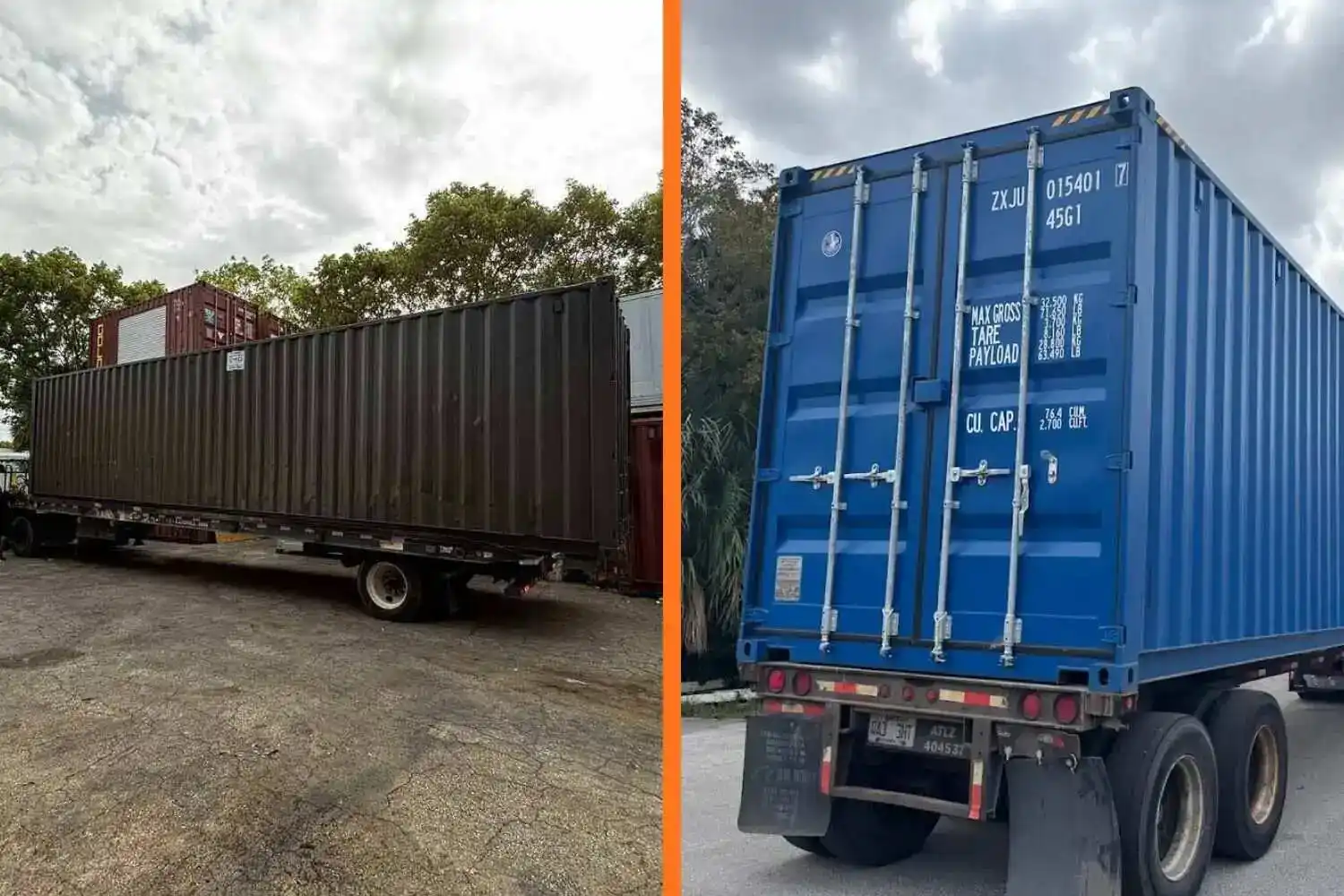
Choosing between renting and buying a storage container is rarely a simple price comparison. The real question is not just “Which is cheaper?” but “Which aligns with how I actually operate?” For many businesses and homeowners, storage containers for rent provide flexibility and lower upfront risk. For others, ownership delivers stronger long-term financial value.
Storage is not static. Project timelines shift. Inventory grows and shrinks. Renovations run longer than planned. Because of this unpredictability, the rent-versus-buy decision must consider duration, scalability, maintenance, liquidity, and operational control.
In this guide, we’ll examine both sides in depth so you can determine when renting storage containers makes strategic sense—and when buying is the smarter move.
Understanding Storage Containers for Rent
Before comparing ownership models, it’s important to clearly understand how storage containers for rent function in practice. Renting means you gain access to the container for a defined period without owning the asset itself. Once your need ends, the unit is removed.
Container rental services are designed to reduce commitment. Instead of tying up capital in equipment you may not need long-term, you pay only for the time the container is actively in use.
What Rental Typically Includes
- Delivery and pickup
- Flexible rental periods (monthly or project-based)
- Structural maintenance handled by provider
- Access to different size options
- Replacement if unit is damaged or needs adjustment
Each of these elements reduces operational burden. Delivery and pickup eliminate logistical headaches. Maintenance support protects you from surprise repair costs. Size flexibility means you can adapt capacity as needs evolve.
In short, temporary storage rental shifts long-term responsibility away from you and onto the provider.
When Renting Storage Containers Makes More Sense
Renting becomes especially logical when storage needs are temporary, fluctuating, or uncertain. Instead of investing capital into a fixed asset, you align expenses directly with usage.
Short-Term Projects
Construction jobs, event logistics, disaster recovery efforts, and renovations often require storage for a limited window. Buying for a three- or six-month need rarely makes financial sense.
Renting allows you to bring in capacity precisely when needed and remove it immediately after. This prevents unused assets from occupying space and draining capital.
Seasonal Business Needs
Retail, agriculture, and event industries often experience predictable seasonal spikes. Instead of owning containers year-round for temporary demand, many businesses rent storage containers during peak periods.
This keeps overhead low during slower months and preserves operational flexibility.
Budget Flexibility
Renting protects cash flow. Rather than committing a large upfront purchase cost, you spread payments over time. For small businesses or startups, preserving liquidity can be more important than asset ownership.
Container rental services transform storage from a capital expense into a manageable operating cost.
Uncertain Duration
If you cannot accurately forecast how long storage will be needed, renting reduces risk. Buying too early can leave you with underutilized assets.
Flexibility is valuable when future needs are unclear.
When Buying Storage Containers Makes More Sense
Ownership becomes attractive when storage needs are consistent and long-term. Over extended periods, purchase costs may undercut rental totals.
Long-Term or Permanent Use
If your business requires continuous on-site storage for years, buying may be more economical. Eliminating recurring rental payments reduces long-term expense.
Ownership also guarantees permanent availability.
Customization and Modification
Purchased containers allow for interior upgrades such as shelving, insulation, electrical systems, or climate control. Rental agreements may limit these modifications.
If storage plays a core operational role, customization freedom matters.
High-Frequency Use
Containers used daily for active workflow may justify ownership. Frequent handling can justify investing in a unit tailored to your needs.
Asset Value
Purchased containers become tangible assets that may retain resale value. While depreciation occurs, partial cost recovery is often possible.
Long-term stability typically favors ownership.
Cost Comparison: Looking Beyond Monthly Rates
A meaningful comparison must include total cost over time.
Renting Costs
- Monthly rental fees
- Delivery and pickup charges
- Potential contract adjustments
- No long-term repair ownership
Short-term use almost always favors renting.
Buying Costs
- Initial purchase price
- Delivery
- Maintenance and repairs
- Possible resale value
Over several years, ownership often becomes more economical.
The key variable is time horizon. The longer the need, the more purchasing gains advantage.
Flexibility and Scalability: A Major Deciding Factor
One of the strongest arguments for renting storage containers is scalability. Business demand fluctuates.
With container rental services, you can:
- Add units during growth
- Remove units during slowdowns
- Adjust size configurations
- Test storage before committing
Each adjustment happens without permanent financial commitment.
Buying fixes capacity. If your needs shrink, you are left with excess infrastructure.
Flexibility often outweighs ownership for growing or variable operations.
Maintenance and Responsibility Differences
Ownership requires oversight. Steel containers require periodic inspection. Doors, seals, and flooring may degrade over time.
When you rent storage containers, the provider typically manages structural maintenance. If major issues arise, replacement units may be offered.
For businesses without internal maintenance resources, this is significant. Renting reduces unpredictable repair costs.
Ownership provides control—but also responsibility.
Storage Containers for Rent in Emergency Scenarios
Emergencies demand speed. Flood recovery, unexpected inventory overflow, or urgent renovation timelines require immediate solutions.
Temporary storage rental allows containers to be delivered quickly and removed once normal operations resume.
Buying in urgent situations often delays resolution and ties up capital unnecessarily.
In time-sensitive scenarios, renting offers unmatched responsiveness.
Residential vs Commercial Decision Factors
The rent-versus-buy equation differs between homeowners and businesses.
Homeowners
For renovations, moving, or temporary decluttering, renting is typically more practical. Storage duration is limited and irregular.
Ownership rarely provides long-term benefit for occasional needs.
Businesses
Businesses with predictable, ongoing storage requirements may benefit from ownership.
Industries with seasonal or fluctuating demand often benefit from renting storage containers.
Operational rhythm should dictate the choice.
Tax, Accounting, and Financial Strategy
Financial treatment influences decision-making.
Renting may qualify as an operating expense, preserving capital and improving short-term financial flexibility.
Buying converts storage into a depreciable asset. Depreciation may offer tax advantages but requires upfront capital commitment.
Depending on financial goals and accounting structure, either approach may align better with business strategy.
Long-Term Space Planning and Property Considerations
Owning containers requires allocating physical space permanently. That space may later be needed for expansion or equipment.
For leased properties, ownership introduces relocation challenges. Renting allows easy removal at lease end.
Zoning regulations may also treat temporary storage differently from permanent installations.
Adaptability in space planning often favors renting.
Risk Management and Commitment Level
Every storage decision carries risk. Renting minimizes long-term commitment. Buying increases commitment but may reduce long-term cost.
For businesses operating in uncertain markets, reducing fixed commitments is strategically safer. If growth projections shift or projects end early, rented containers can be removed without financial residue.
Buying assumes stability. If your operational model is predictable and unlikely to contract, ownership reduces exposure to rental price fluctuations.
Risk tolerance should guide the decision as much as financial calculation.
Operational Control and Availability
Ownership guarantees availability. You are not dependent on rental inventory levels during high-demand seasons.
In contrast, renting offers adaptability. Providers may swap or resize units as needs change.
Control versus flexibility becomes the tradeoff. If guaranteed access is mission-critical, ownership provides security. If adaptability is more important, renting provides agility.
Environmental and Sustainability Factors
Rental models promote shared asset utilization. Instead of multiple businesses owning underused containers, rental providers circulate inventory where needed.
This reduces material redundancy and supports efficient resource use.
Ownership can also be sustainable, particularly when reusing existing containers. However, underutilization reduces efficiency.
Shared-use models often optimize environmental impact for short-term or variable demand.
Questions to Ask Before Deciding
Before committing, evaluate:
- How long will storage realistically be required?
- Will demand fluctuate significantly?
- Is customization essential?
- Is preserving capital a priority?
- Do you require guaranteed year-round availability?
Each answer shifts the balance between renting and buying.
Clarity prevents regret.
Choose Based on Usage, Not Assumption
There is no universal answer. The smarter choice depends on duration, predictability, financial structure, and operational goals.
If your needs are short-term, uncertain, seasonal, or emergency-driven, storage containers for rent provide flexibility, liquidity protection, and operational agility.
If your storage demand is stable, ongoing, and core to operations, purchasing may deliver stronger long-term value and guaranteed availability.
The best decision aligns storage strategy with real-world usage—not assumptions about ownership or short-term savings.
Storage is not just about space. It is about planning, adaptability, and financial clarity.