

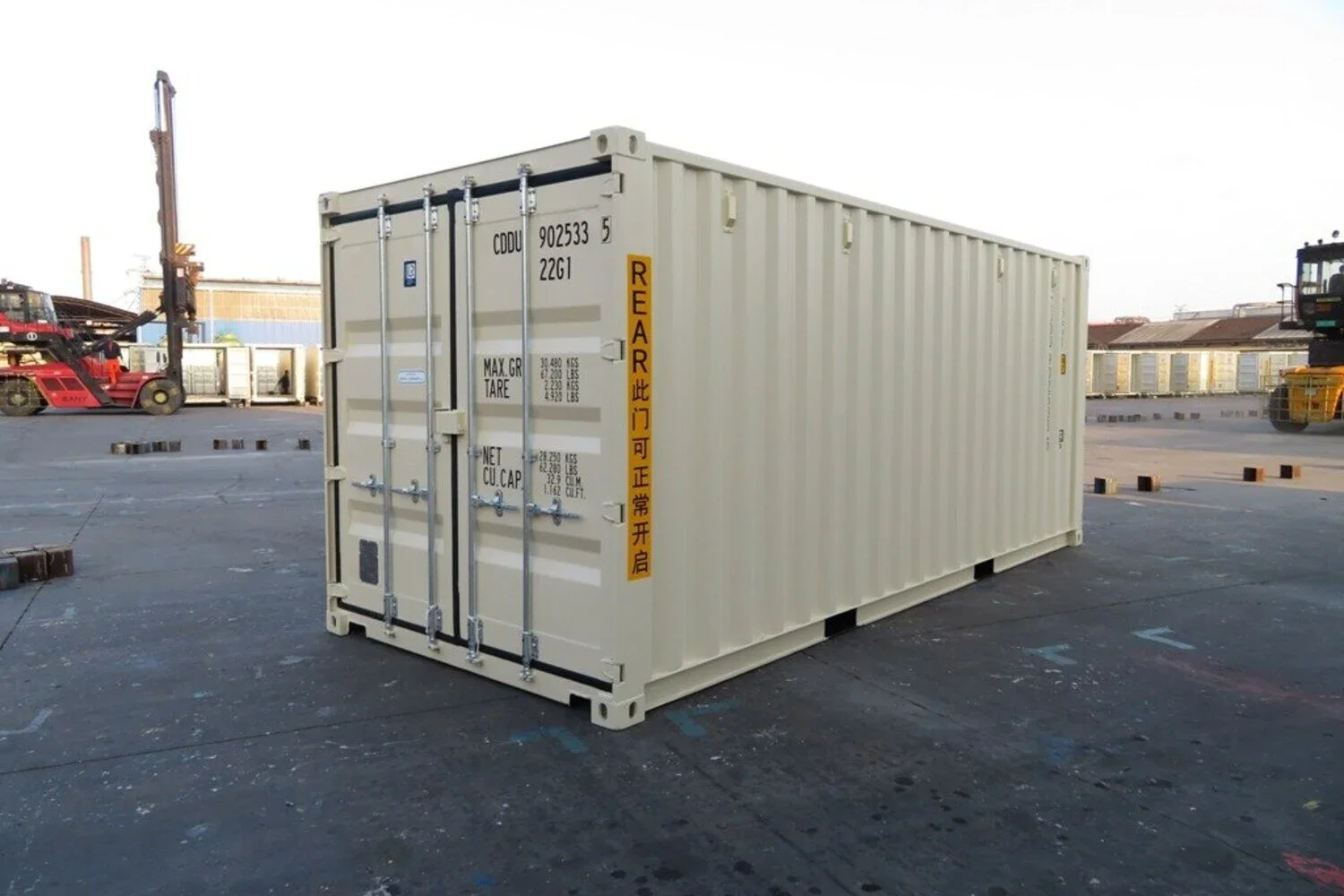
When it comes to shipping and storage, size matters—but not always in the way people expect. Bigger is not automatically better. In fact, for many industries, 20ft shipping containers strike the perfect balance between capacity, mobility, cost, and practicality. They are large enough to handle serious storage needs yet compact enough to fit in tight spaces and urban environments.
Because of this balance, 20 foot cargo containers have become the industry standard across construction, logistics, retail, agriculture, and residential use. Whether you’re transporting goods internationally or adding secure on-site storage, this container size consistently proves its versatility.
In this guide, we’ll explore why 20ft shipping containers are considered the most adaptable container size available—and why they remain the go-to solution for businesses and homeowners alike.
What Are 20ft Shipping Containers?
Before discussing their versatility, it’s important to understand the fundamentals. 20ft shipping containers are standardized steel containers measuring approximately 20 feet in length, 8 feet in width, and 8.5 feet in height (with high-cube variations offering additional height).
They are part of the global ISO container system, meaning they are compatible with ships, rail systems, and trucks worldwide. Their dimensions are intentionally designed to optimize both cargo capacity and transportation efficiency.
Key Specifications
- Approx. 20 feet long
- Standard 8-foot width
- Typically 8.5 feet tall (9.5 ft for high-cube versions)
- Heavy-duty steel construction
- Double cargo doors at one end
This standardized sizing is one of the main reasons they are considered standard shipping containers across industries.
Why the 20ft Size Is So Popular
The popularity of 20ft containers is not accidental. Their dimensions offer a practical middle ground between small portable units and large 40ft containers.
They provide substantial storage capacity while remaining manageable in terms of delivery, placement, and transportation.
For many businesses, 20ft shipping containers represent the “right-sized” solution—large enough for meaningful storage, but small enough to avoid unnecessary cost and space consumption.
This balance makes them ideal for industries that need flexibility without overcommitment.
Versatility Across Industries
One of the strongest advantages of 20 foot cargo containers is their ability to adapt to nearly any industry.
Construction and Infrastructure
Construction sites rely heavily on secure storage for tools, equipment, and materials. 20ft shipping containers provide ample space while remaining compact enough to fit on crowded job sites.
Their durability ensures materials remain protected from theft and weather exposure.
Logistics and Freight
In freight and transportation, standard shipping containers must align with global shipping standards. The 20ft container is a core unit in international cargo transport.
Because it fits easily onto trucks and ships, it allows for smooth multimodal transportation.
Retail and Inventory Storage
Retailers frequently use 20ft containers for overflow inventory, seasonal storage, and pop-up event logistics. Their manageable size makes them easy to position behind storefronts or warehouses.
Agriculture
Farm operations use 20ft containers for feed storage, equipment protection, and seasonal supply management. The size offers enough capacity without overwhelming farm layouts.
Residential Use
Homeowners also benefit from 20ft shipping containers during renovations, relocations, or long-term property storage needs.
Few container sizes serve both industrial and residential markets as effectively.
20ft Containers for Sale: Why They’re in High Demand
If you search for 20ft containers for sale, you’ll quickly notice high availability and strong demand. This is because they are one of the most widely manufactured container sizes worldwide.
Their popularity creates several advantages:
- Easier resale value
- Broad availability in both new and used conditions
- Competitive pricing
- Wide range of modification options
For buyers, this means strong market liquidity and flexible purchasing options.
Cost Efficiency Compared to Larger Containers
One reason 20ft shipping containers remain dominant is cost efficiency. Larger containers, such as 40ft units, provide more space—but not always proportionally better value.
For businesses that do not need maximum volume, choosing a 20ft container avoids paying for unused capacity.
Additionally, delivery costs are often lower due to easier transport and placement. In many cases, multiple 20ft containers offer more flexible storage layouts than a single oversized unit.
Right-sizing storage is often smarter than maximizing square footage.
Ease of Transport and Placement
A major advantage of 20ft containers lies in their mobility. Their shorter length makes them easier to deliver and maneuver in tight spaces.
Urban areas, residential properties, and smaller commercial lots often cannot accommodate larger containers easily. The 20ft size offers accessibility without sacrificing function.
Because they align with standard shipping container specifications, they integrate seamlessly into existing transport systems.
This makes them ideal for businesses that anticipate relocation or expansion.
Modifications and Customization Potential
Another reason 20ft shipping containers are considered versatile is their adaptability to modification.
Common modifications include:
- Shelving and racking systems
- Electrical installations
- Climate control systems
- Office conversions
- Workshop conversions
Their manageable size makes them cost-effective for customization. Modifying a 40ft unit can be significantly more expensive and complex.
For businesses experimenting with container-based solutions, 20ft units offer a practical starting point.
Durability and Long-Term Use
Standard shipping containers are built to endure harsh maritime conditions. As a result, 20ft units are extremely durable for land-based storage.
Steel construction resists weather exposure, impact, and unauthorized access. With minimal maintenance, containers can last for decades.
This durability makes them a reliable long-term investment for both businesses and homeowners.
Scalability: Start Small, Expand as Needed
One overlooked advantage of 20ft shipping containers is scalability. Instead of committing to one large container, businesses can deploy multiple 20ft units.
This modular approach offers flexibility:
- Add containers as demand grows
- Separate inventory categories
- Create organized layouts
- Relocate individual units if needed
Scalability allows operations to grow incrementally without overinvesting upfront.
Comparing 20ft to 40ft Containers
While 40ft containers offer more volume, they are not always the better choice.
20ft Containers
- Easier to place
- Lower upfront cost
- Better for smaller spaces
- Highly versatile
40ft Containers
- Larger volume
- Better for bulk transport
- Require more placement space
For many industries, the added volume of 40ft containers is unnecessary. The 20ft size offers optimal balance.
Environmental and Practical Considerations
Reusing 20ft shipping containers supports sustainable practices by extending the lifecycle of existing materials.
Rather than constructing new storage buildings, businesses can deploy containers quickly with minimal site disruption.
Their modular design also allows relocation instead of demolition when space requirements change.
This adaptability reduces waste and supports efficient land use.
When 20ft Shipping Containers Make the Most Sense
Choosing the right container size depends on usage, space constraints, and budget.
20ft containers are ideal when:
- Space is limited
- Moderate storage capacity is required
- Mobility matters
- Cost efficiency is important
- Scalability is desired
Their combination of size, durability, and flexibility makes them suitable across nearly every sector.
The Industry Standard for a Reason
There’s a reason 20ft shipping containers remain the backbone of global logistics and on-site storage. They offer the perfect balance between capacity and practicality.
From construction sites to international freight operations, from retail overflow to residential storage, 20 foot cargo containers consistently deliver reliability and adaptability.
If you’re evaluating container options and want a solution that works across industries, fits most properties, and maintains long-term value, the 20ft size is not just common—it’s strategically smart.