
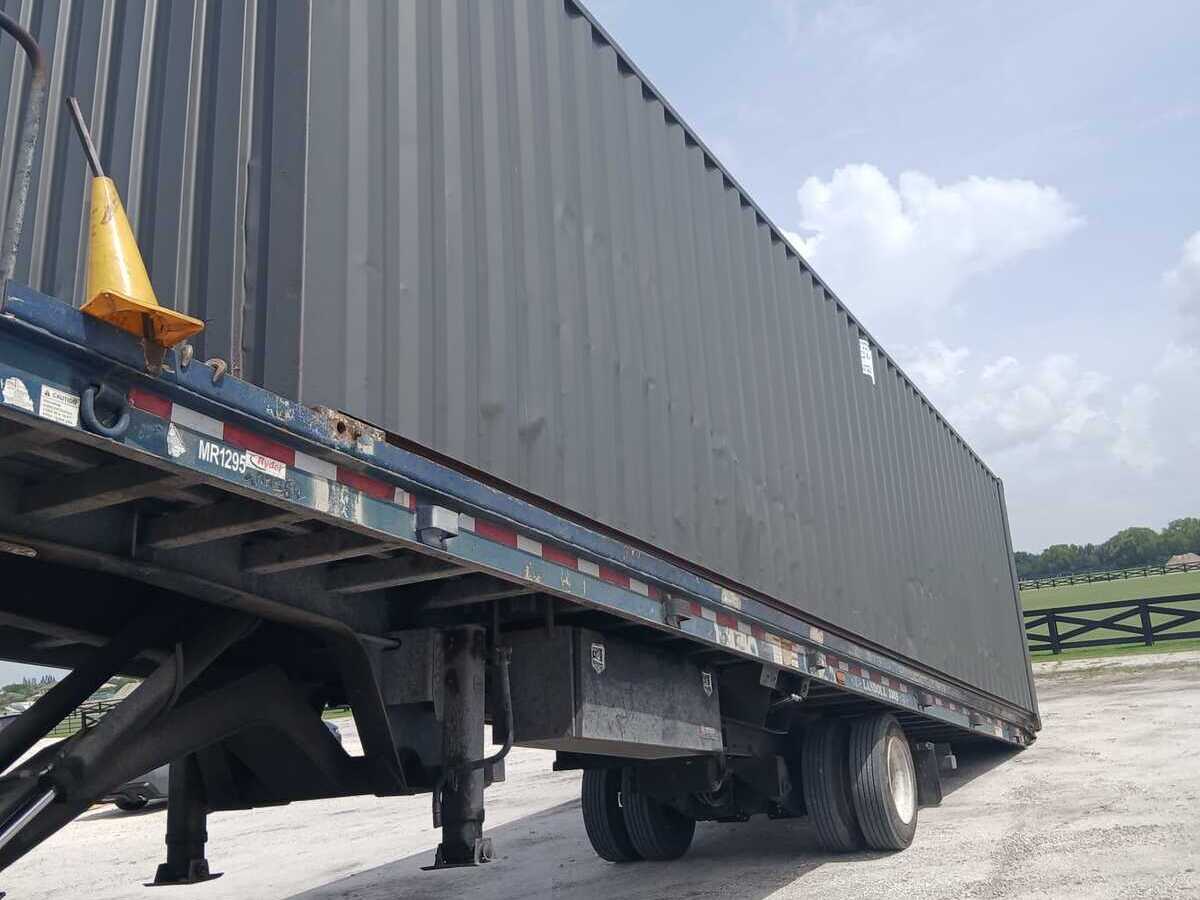
Ordering a container is only one part of the process. Delivery depends on access, ground conditions, communication, and a clear placement plan. A little preparation can prevent delays and help the container land in the right position the first time.
CMG Containers contacts customers before every shipping container delivery. That notice allows the site contact to clear the route and make sure the placement area is ready. The two most important conditions are simple: the ground should be dry, and the final location should be level.
This container delivery guide explains what to check before arrival, what happens during drop-off, and how to avoid common problems.
Shipping Container Delivery Starts Before Delivery Day
A successful delivery begins with accurate information. Provide the delivery address, an on-site contact number, the preferred location, and details that could affect access. Security gates, restricted hours, narrow roads, and active equipment routes all matter.
Before the truck arrives, CMG Containers will notify the customer. Keep the designated contact available by phone and make sure that person can direct the delivery. An absent decision-maker can turn a straightforward placement into guesswork.
Site conditions change quickly, especially on construction and industrial properties. Recheck the route on delivery day rather than relying on an earlier inspection.
How to Prepare for Container Delivery
Choose Dry, Level Ground
The placement area needs to be dry and level. Soft, muddy, recently filled, or waterlogged ground may not support delivery equipment safely and can allow the container to settle unevenly. Standing water also creates poor access.
Consider drainage as well as the visible surface. A spot may look dry during good weather but collect runoff after rain. Avoid low points, drainage channels, and downspout discharge areas. The best location is firm, stable, and unlikely to become saturated.
Level ground helps the container sit evenly and allows the doors to work as intended. A sloped base can twist the unit enough to make doors harder to operate. If grading or support materials may be needed, discuss the plan before delivery rather than correcting the surface while the truck waits.
Check the Full Delivery Route
Do not evaluate access based only on the container’s dimensions. The delivery vehicle also needs room to enter, turn, align, unload, and leave. A container may fit through a gate while the truck carrying it cannot complete the approach.
Walk the route from the road to the placement point. Check gate and driveway width, tight corners, parked vehicles, fencing, curbs, ditches, and changes in grade. Make sure the surface can support a loaded delivery vehicle without rutting or sinking.
Look upward, too. Low tree limbs, utility lines, signs, overhangs, and temporary cables may interfere with the truck or container. Overhead obstacles are easy to miss until the vehicle is on site.
Clear the Work Area
Remove vehicles, pallets, debris, tools, and materials from the route and placement zone. Keep workers and visitors outside the unloading area, and secure pets away from the truck.
On an active job site, pause nearby operations long enough to create a controlled route. Delivery should not compete with forklifts, excavators, concrete trucks, or employee traffic. A clear path makes the container drop off safer and faster.
Decide the Final Position and Door Direction
Choose the exact location before the driver arrives. Marking the corners or setting visible reference points can clarify the intended position. Confirm whether the container should sit parallel or perpendicular to a building, fence, road, or property line.
Decide which way the cargo doors should face and leave enough space for them to swing fully. Consider daily access, not only delivery day. Avoid placing the entrance where equipment, mud, snow, or future construction could block it.
What Happens During the Shipping Container Delivery Process
Advance Notification
The customer is contacted before delivery, allowing the site contact to prepare and confirm conditions. Report last-minute changes such as heavy rain, roadwork, a blocked gate, or relocated equipment.
Arrival and Site Review
When the driver arrives, the site contact should indicate the route and final position. The driver may review the approach before unloading. If conditions differ from what was described, the plan may need to change.
A requested location is not workable if reaching it could damage equipment, endanger people, or leave the truck unable to exit. Safe access remains the priority.
Container Drop Off and Positioning
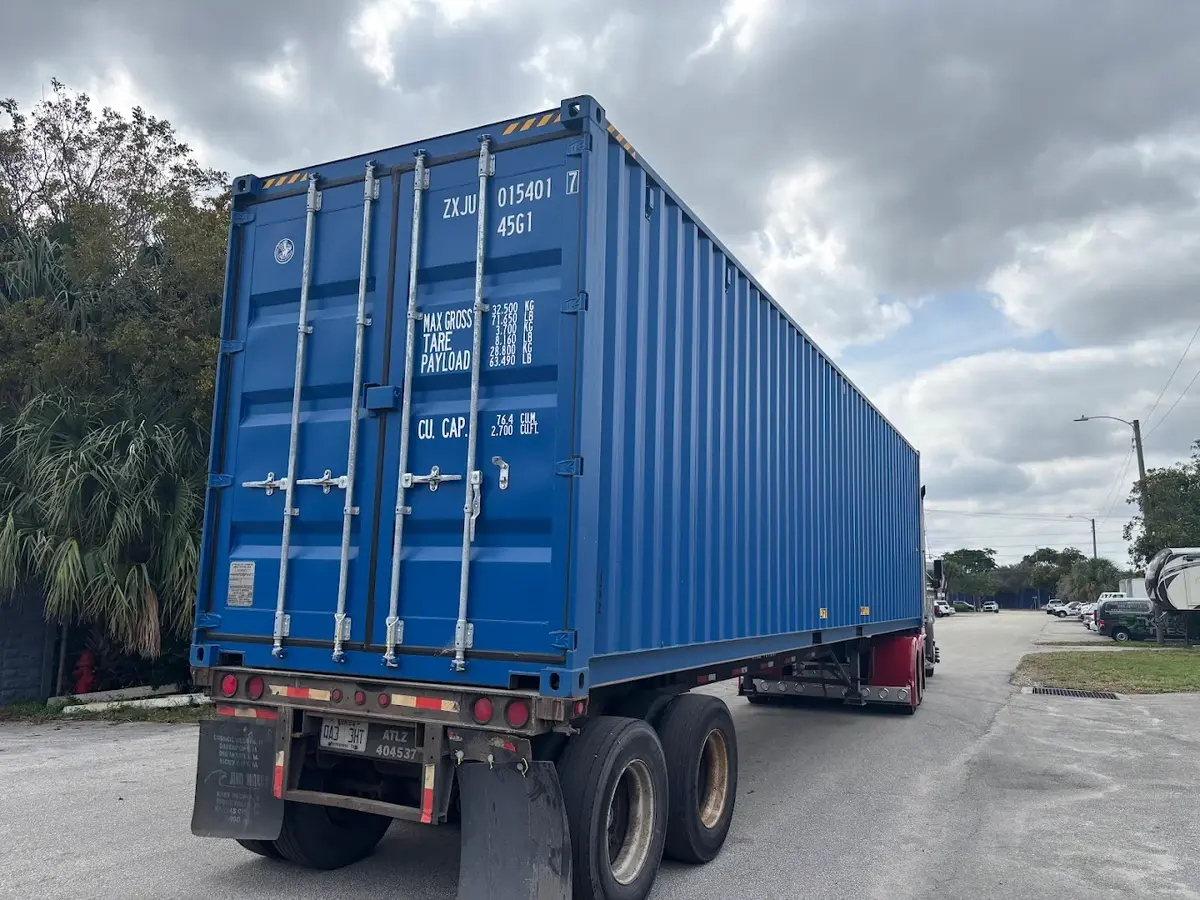
The unloading method depends on the container, delivery equipment, and site layout. The truck must align with the placement area, so the direction of approach can affect where the doors and container ends finish.
Stay clear while the unit is being unloaded. Communicate from a safe position and never stand between the container, truck, buildings, fences, or other fixed objects. Once the container is down, confirm the placement before the driver leaves.
Final Check
Inspect the orientation and access. Open and close the doors, and verify that the unit is not rocking or visibly leaning. Confirm that the delivery vehicle has a clear route out.
Delivery Requirements for Shipping Containers
Every location is different, but the basic delivery requirements for shipping containers are consistent: suitable vehicle access, enough maneuvering space, a clear unloading zone, dry and stable ground, and a level final position.
Confirm that the container will sit within the approved area and will not block emergency access, drainage, utilities, sidewalks, or neighboring property. Site owners should check any permissions or location-specific rules that apply.
For secured facilities, arrange gate access in advance. Provide entry instructions, access codes, protective equipment requirements, and check-in procedures before the delivery window.
Common Problems That Delay Container Delivery
Wet or Soft Ground
Rain can quickly change a usable area. If the route or placement zone becomes muddy, contact CMG Containers before the truck departs. Early communication is better than asking a loaded vehicle to test uncertain ground.
Insufficient Turning Space
A narrow entrance may look acceptable until the truck begins its turn. Parked cars, dumpsters, fencing, and material stacks can remove needed space. Keep the corners of the route open, not just the center.
Unclear Placement Instructions
“Put it near the building” is not a placement plan. Identify the exact position, door direction, and distance from nearby features. When several people have authority on site, choose one person to give final instructions.
Last-Minute Site Changes
New trenches, scaffolding, cranes, or temporary fencing can block a previously usable route. Report changes as soon as possible. A revised plan can often manage known obstacles; surprises at arrival are harder to solve.
A Final Pre-Delivery Checklist
Twenty-four hours before arrival, confirm the following:
• The site contact knows the expected delivery and will remain reachable.
• The route from the road to the placement area is open and firm.
• The final location is dry, level, and free of standing water.
• Vehicles, equipment, materials, and debris are out of the way.
• Overhead lines, branches, signs, and structures will not obstruct access.
• The container position and door direction have been decided.
• Workers, visitors, and pets can be kept outside the unloading zone.
• Gate codes, security procedures, and site instructions are ready.
After the Container Is Delivered
Keep the area around the container drained and accessible. Do not allow soil, debris, or stored materials to build up against the doors. If site conditions change, make sure the unit remains reachable without creating a hazard.
A prepared location supports easier door operation and reliable use throughout the rental period. Delivery may happen in one visit, but the placement decision affects every day that follows.
Plan Your Shipping Container Delivery with CMG Containers
Good delivery is mostly good preparation. CMG Containers notifies customers before arrival so they have time to clear access and confirm the site. When the route is open and the placement area is dry and level, the process is far more likely to stay simple.
Share accurate site details, choose the final position in advance, and report changes early. CMG Containers can then coordinate shipping container delivery around the conditions of your property or job site and help place the unit where it can work effectively from day one.