
Storage problems usually don’t announce themselves politely. One day you have space, the next day you’re stacking tools in hallways, inventory in corners, or equipment where it absolutely shouldn’t be. That’s where portable storage containers come in—not as a luxury, but as a practical response to limited space, shifting workloads, and temporary needs.
Whether you’re managing a construction site, renovating a home, running a business, or handling seasonal inventory, the real question isn’t if you need storage—it’s whether you should rent or buy. This guide breaks down when portable storage container rental makes sense, when portable storage containers for sale are the smarter move, and what to know about delivery, security, and pricing before committing.
What Are Portable Storage Containers?
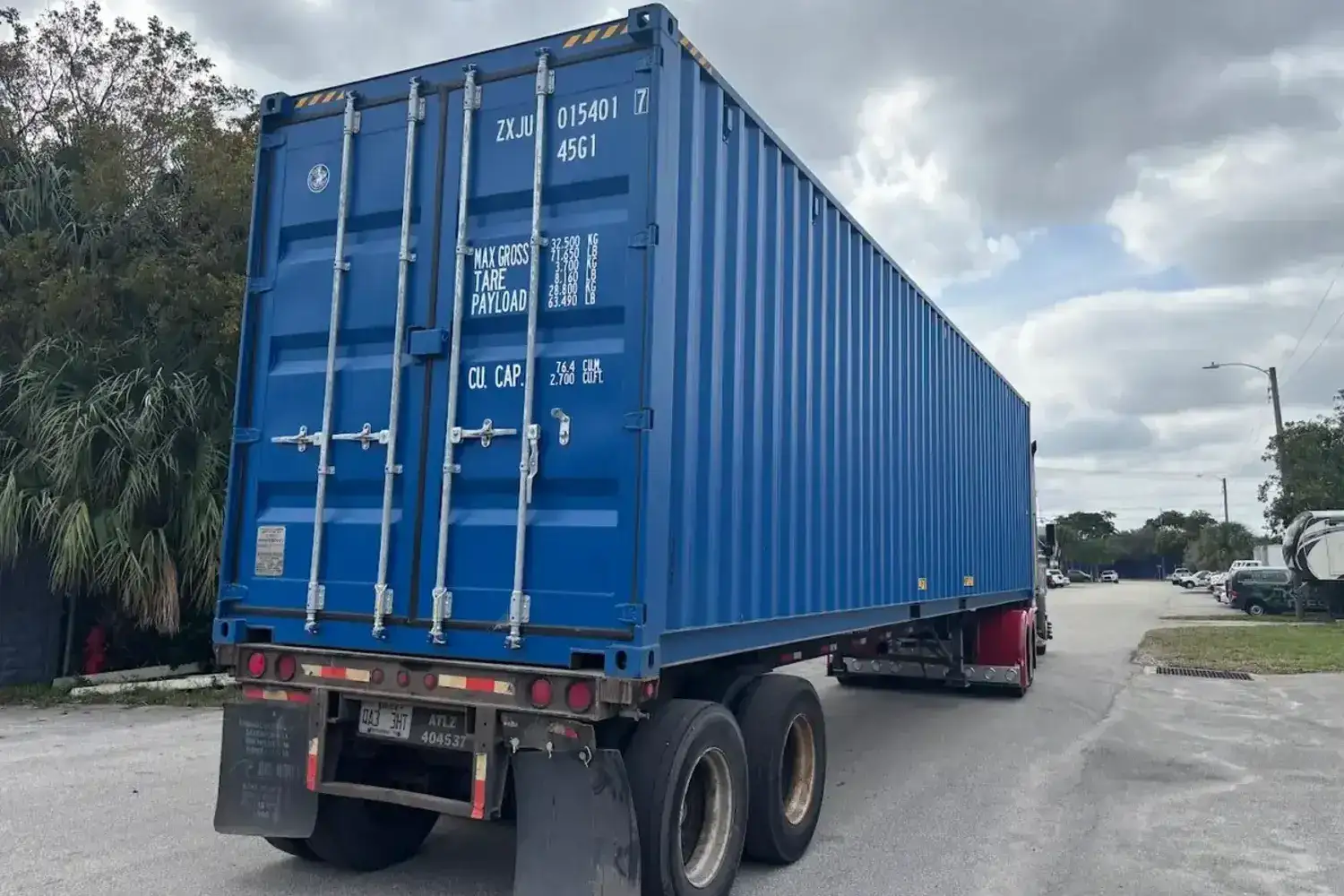
Portable storage containers are steel storage units designed to be delivered directly to your site, used for short- or long-term storage, and either picked up or relocated when no longer needed. Unlike traditional warehouse storage, these units bring the storage to you.
They’re commonly used as:
- On-site storage containers for tools and materials
- Temporary storage during renovations or moves
- Overflow storage for businesses
- Secure equipment storage
The defining feature is mobility: these containers are meant to move when your needs change.
Why Portable Storage Is So Widely Used
The appeal of portable storage units is simple: flexibility without long-term commitment to fixed space.
Key reasons people choose them include:
- Immediate availability
- No construction or permits in most cases
- Storage located exactly where work happens
- Scalable capacity (add or remove units as needed)
For many operations, portable storage is the fastest way to solve space constraints without disrupting workflow.
Portable Storage Container Rental: When Renting Makes Sense
Renting is often the default choice—and for good reason.
Ideal Scenarios for Rental
- Portable storage container rental is best when:
- Storage needs are temporary or seasonal
- Project timelines are uncertain
- You don’t want maintenance responsibility
- Cash flow flexibility matters
Common rental use cases include home renovations, short-term construction projects, events, and temporary business expansions.
Advantages of Renting
- Lower upfront cost
- Maintenance typically included
- Easy upgrades or unit swaps
- Simple return when no longer needed
Renting keeps commitment low and adaptability high.
Limitations of Renting
- Higher long-term cost if used for years
- Limited customization options
- Availability may vary during peak demand
If a “temporary” need quietly becomes permanent, rental costs can stack up fast.
Portable Storage Containers for Sale: When Buying Is the Smarter Move
Buying makes sense when storage becomes part of your long-term operations rather than a stopgap.
Ideal Scenarios for Buying
Portable storage containers for sale are worth considering if:
- Storage is needed year-round
- The container will stay on-site long-term
- Customization is required
- You want asset ownership
Businesses, industrial sites, and property managers often fall into this category.
Advantages of Buying
- Lower cost over time
- Full control over use and modifications
- No monthly rental fees
- Asset value remains
Ownership pays off when the container becomes infrastructure rather than temporary support.
Considerations Before Buying
- Higher upfront investment
- Responsibility for maintenance
- Storage or resale planning if needs change
Buying rewards stability—but punishes poor forecasting.
Delivery Matters More Than People Expect
“Storage containers delivered” sounds simple. In practice, delivery logistics can make or break the experience.
What to Check Before Delivery
- Site access width and clearance
- Ground conditions (level, stable surface)
- Delivery truck turning radius
- Placement accuracy
Poor planning leads to damaged containers, delays, or extra fees.
On-Site Placement Tips
- Place containers close to work zones
- Avoid blocking access routes
- Allow door swing clearance
- Consider future relocation needs
A well-placed container saves time every single day it’s on-site.
Security: What Actually Keeps Containers Safe
Security is one of the main reasons people choose on-site storage containers over open storage—but not all containers are equally secure.
Standard Security Features
- Most portable storage units offer:
- Heavy steel construction
- Lockable cargo doors
- Tamper-resistant hinges
That’s the baseline—not the full picture.
Smart Security Upgrades
For higher-risk environments, consider:
- Lock boxes to protect padlocks
- High-security padlocks
- Motion lighting near containers
- Placement within visible or fenced areas
Security works best when design and placement work together.
Pricing Factors: What Influences Cost
Pricing for portable storage containers depends on more than size.
Rental Pricing Factors
- Rental duration
- Container size
- Delivery and pickup distance
- Local demand
Short-term rentals cost more per month; long-term rentals offer better rates.
Purchase Pricing Factors
- New vs used condition
- Size and configuration
- Market availability
- Delivery costs
Used containers are cheaper upfront, but condition matters more than price.
Choosing the Right Size for Your Needs
While sizes vary, most users choose between smaller portable units and full-size containers.
Smaller Portable Storage Units
Best for:
- Residential use
- Light equipment
- Tight access areas
Easier to place, easier to relocate.
Full-Size Portable Storage Containers
Best for:
- Construction sites
- Commercial inventory
- Heavy tools and equipment
They offer better cost efficiency per square foot.
Common Mistakes to Avoid
- Renting long-term when buying would be cheaper
- Buying without a long-term plan
- Ignoring delivery constraints
- Underestimating security needs
Most storage regrets come from assumptions, not bad products.
Rent vs Buy: A Simple Decision Framework
Choose portable storage container rental if:
- Your need is temporary
- Flexibility matters
- You want minimal responsibility
Choose portable storage containers for sale if:
- Storage is ongoing
- Customization is required
- You want long-term cost control
The right choice depends on duration, not urgency.
How Portable Storage Containers Adapt as Your Needs Change
One of the strongest advantages of portable storage containers is their ability to evolve alongside your project or operation. Unlike fixed storage solutions, these units don’t lock you into a single use case. A container that starts out as tool storage can later become inventory space, equipment housing, or even temporary staging storage as priorities shift.
This adaptability is especially valuable in environments where timelines change frequently. Construction phases expand, renovation projects take longer than planned, and businesses grow in unexpected directions. Portable storage units absorb these changes quietly, without forcing you to redesign workflows or relocate materials repeatedly. That flexibility often matters more than size or price alone.
Why On-Site Storage Improves Daily Efficiency
Keeping storage close to where work happens has a direct impact on productivity. On-site storage containers reduce unnecessary movement, shorten retrieval times, and help teams stay focused on actual tasks instead of logistics.
When tools, materials, or inventory are stored off-site, small delays add up quickly. With portable storage units placed strategically, access becomes intuitive rather than disruptive. Over time, this improves workflow rhythm, reduces mistakes caused by rushed handling, and creates a more organized working environment—without needing permanent infrastructure.
Long-Term Value Beyond Simple Storage
While portable containers are often chosen for convenience, their long-term value goes beyond solving short-term space problems. When managed well, portable storage containers contribute to better asset protection, clearer organization, and more predictable operations.
For businesses, this can mean fewer losses, better inventory control, and smoother scaling. For residential or project-based users, it means less stress, less clutter, and fewer compromises during transitions. Storage that works quietly in the background is rarely noticed—until it’s missing.
Are Portable Storage Containers Worth It?
If space constraints slow down your work, portable storage containers pay for themselves quickly—either in saved time, reduced clutter, or protected equipment.
They are not just boxes. They’re operational tools that adapt to changing needs without forcing permanent decisions too early.
Storage Should Support Work, Not Complicate It
The best storage solution is the one that fades into the background—secure, accessible, and exactly where you need it. Whether you rent or buy, portable storage containers exist to remove friction from work, not add another thing to manage.
By understanding delivery logistics, realistic security needs, and true cost timelines, you can choose a solution that works today—and still makes sense tomorrow.