
When temperature control stops being “nice to have” and becomes non-negotiable, refrigerated containers—commonly known as reefers—step in. These units are not just cold boxes. They are mobile, industrial-grade climate systems designed to protect goods where fixed cold storage is unavailable, impractical, or too slow to deploy.
From food logistics and pharmaceuticals to agriculture, catering, and event operations, refrigerated shipping containers solve one core problem: keeping products within strict temperature limits, consistently and reliably, regardless of location.
This guide breaks down how reefer containers work, where they are used most effectively, what temperature ranges they support, and the real cost factors you should understand before buying or opting for refrigerated container rental.
What Are Refrigerated Containers?
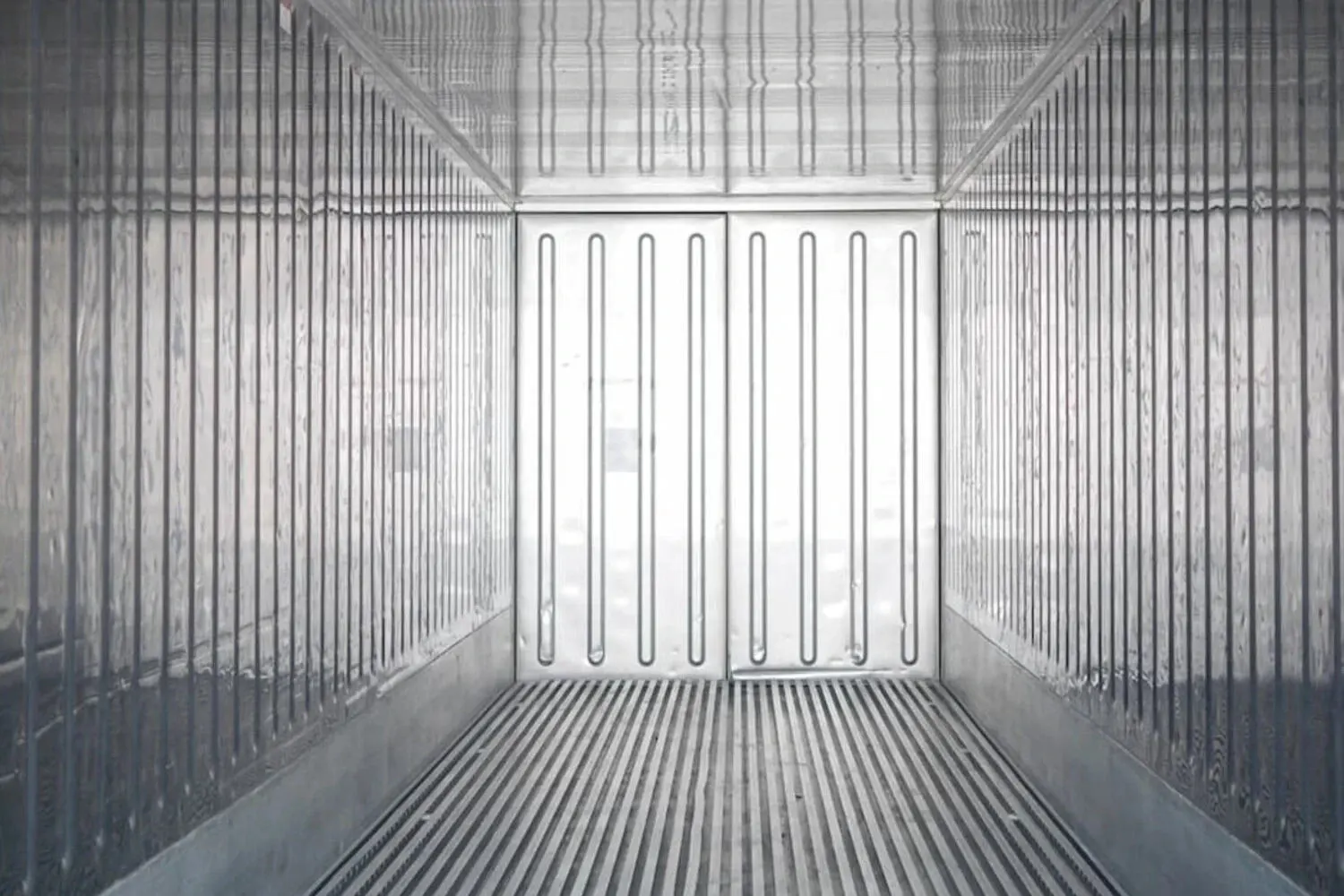
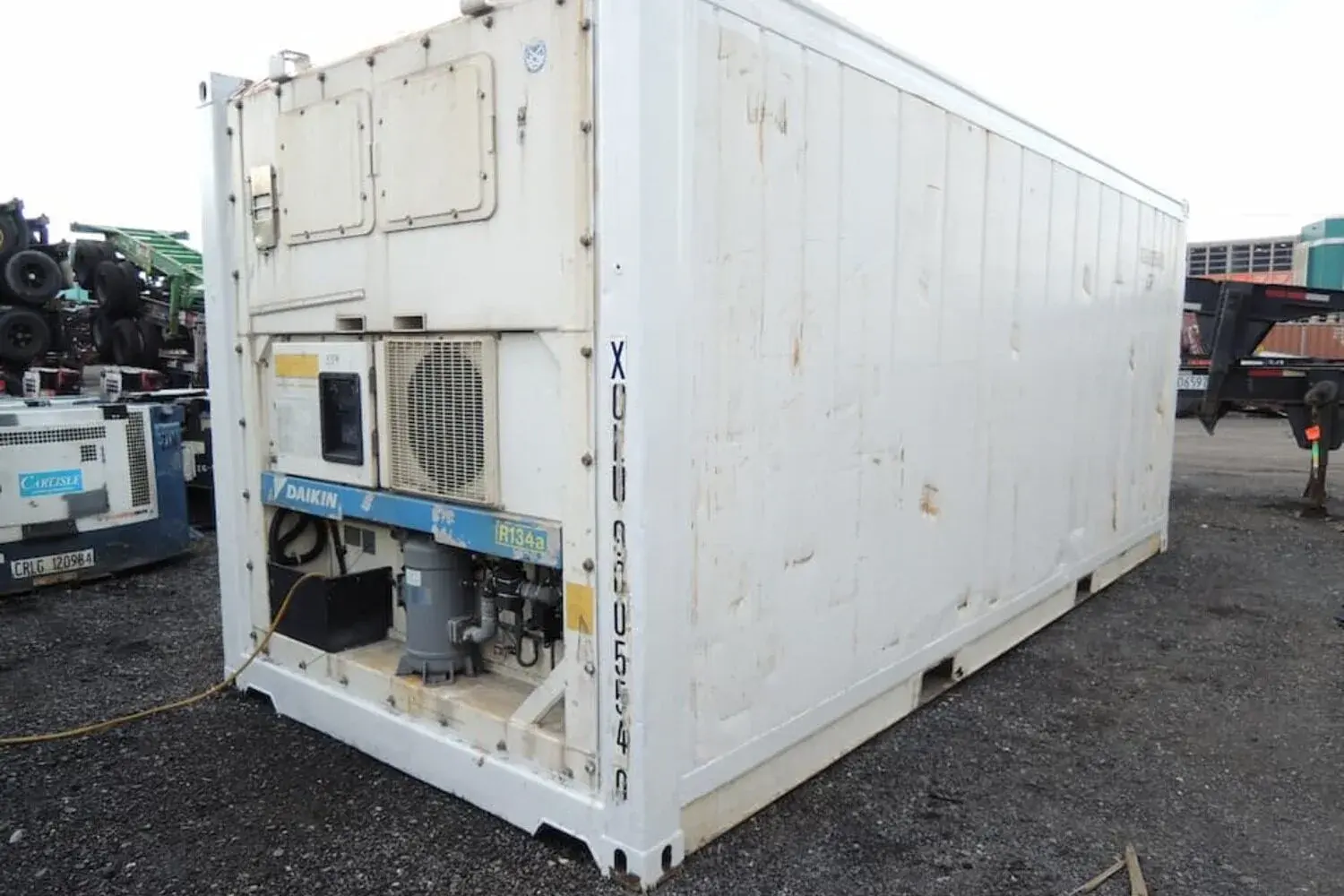
Refrigerated containers are insulated steel containers equipped with an integrated refrigeration unit that actively controls internal temperature. Unlike passive cold storage, reefers don’t rely on ice, dry ice, or external cooling. They generate and regulate cold (or heat) on their own.
They are built to ISO container standards, which means they can be transported, stacked, and deployed globally—by truck, rail, or ship—while maintaining precise temperature control.
Core Components
- Heavy-duty steel exterior
- High-performance insulation
- Integrated refrigeration unit
- Digital temperature control panel
- Air circulation system
A reefer container is essentially a transportable cold room with industrial reliability.
How Reefer Containers Actually Work
Understanding how reefers function helps avoid unrealistic expectations.
The refrigeration unit pulls air from the container interior, cools (or heats) it to the set temperature, and redistributes it evenly through the cargo space. This airflow is critical: reefer containers control air temperature, not product temperature directly.
That distinction matters. Proper loading—leaving airflow gaps and using ventilated packaging—is just as important as the container itself.
Temperature Ranges: What Reefer Containers Can Handle
Modern refrigerated shipping containers support a wide range of temperatures, making them suitable for far more than frozen goods.
Standard Temperature Range
-30°C to +30°C (approximately -22°F to +86°F)
This range allows reefers to function as:
- Freezers
- Chillers
- Climate-controlled storage units
Common Temperature Settings by Industry
- Frozen food: -18°C to -25°C
- Fresh produce: 0°C to +5°C
- Dairy and beverages: +2°C to +6°C
- Pharmaceuticals: +2°C to +8°C (sometimes tighter)
- Flowers and plants: +5°C to +15°C
Not all products tolerate fluctuations equally, which is why reefers are favored over makeshift cold storage.
Best Use Cases for Refrigerated Containers
Reefer containers shine in environments where fixed cold infrastructure is limited, temporary, or too slow to build.
1. Food and Beverage Storage and Distribution
This is the most common application for refrigerated containers.
They are widely used for:
- Frozen and chilled food storage
- Meat, seafood, and poultry distribution
- Beverage temperature control
- Catering and food service operations
For businesses scaling up or managing seasonal demand, reefers provide immediate cold capacity without long-term construction.
2. Agriculture and Harvest Management
Farmers and distributors use reefers to:
- Store harvested produce
- Stabilize temperature before transport
- Reduce spoilage during peak harvest
A 20ft refrigerated container is often sufficient for smaller farms, while a 40ft refrigerated container supports high-volume operations.
3. Pharmaceutical and Medical Storage
Pharmaceuticals don’t forgive temperature mistakes. Reefers are used for:
- Vaccine storage
- Medical supplies
- Clinical trial materials
In emergencies or remote areas, refrigerated shipping containers become critical infrastructure.
4. Events, Catering, and Temporary Operations
Large events, festivals, and pop-up catering operations rely on refrigerated container rental to handle:
- Short-term cold storage
- Mobile food preparation support
- Overflow refrigeration
Renting avoids the cost of ownership for limited-duration needs.
5. Industrial and Specialty Applications
Beyond food and medicine, reefers are used to store:
- Chemicals sensitive to heat
- Film and photographic materials
- Certain electronics and components
Anywhere temperature stability matters, reefers become a flexible solution.
20ft vs. 40ft Refrigerated Containers: Choosing the Right Size
Size selection is about volume, access, and power availability—not just square footage.
20ft Refrigerated Container
Best for:
- Smaller storage needs
- Limited space on-site
- Lower power consumption
Advantages:
- Easier placement
- Faster pull-down times
- Lower upfront and operating costs
This size is common for local distribution and temporary use.
40ft Refrigerated Container
Best for:
- High-volume storage
- Distribution hubs
- Long-term on-site refrigeration
Advantages:
- More usable capacity
- Better efficiency per cubic foot
- Suitable for palletized storage
If your operation handles continuous throughput, 40ft units usually provide better value.
Buying vs. Refrigerated Container Rental
This is where strategy matters.
When Buying Makes Sense
- Long-term or permanent use
- Consistent refrigeration needs
- Predictable operating schedule
Owning refrigerated containers gives full control but requires maintenance planning.
When Refrigerated Container Rental Is Smarter
- Seasonal demand
- Short-term projects
- Events or emergency storage
- Testing a new operation
Rental avoids capital investment and shifts maintenance responsibility away from the user.
Cost Factors That Affect Reefer Container Pricing
Reefer containers cost more than standard containers—and for good reason.
1. Size and Condition
- 40ft units cost more than 20ft units
- New units cost more than used
- “One-trip” units command premium pricing
2. Refrigeration Unit Type
Different manufacturers and unit models vary in:
- Energy efficiency
- Noise level
- Temperature precision
Higher-quality units cost more upfront but often save money long-term.
3. Power Requirements
Reefer containers require a reliable power source:
- Typically 380–460V (three-phase) or equivalent
- Power availability can impact setup costs
Generators may be required in remote locations.
4. Maintenance and Servicing
Reefers are mechanical systems. Ongoing costs include:
- Regular inspections
- Refrigerant checks
- Component servicing
Neglecting maintenance shortens lifespan quickly.
5. Rental Duration (If Renting)
For reefer containers for sale, ownership cost matters. For rentals:
- Short-term rentals cost more per month
- Long-term rentals reduce monthly rates
Always calculate total project duration before deciding.
What to Check Before Buying Refrigerated Containers
This is not an area for shortcuts.
Inspect the Refrigeration Unit
- Confirm temperature accuracy
- Check alarm systems
- Review service history
Verify Insulation and Seals
- Door gaskets should be intact
- No visible condensation or corrosion
- Interior panels should be undamaged
Cold leaks equal money leaks.
Confirm Power Compatibility
Make sure your site can support the unit’s electrical needs—or budget for upgrades.
Common Misconceptions About Reefer Containers
- “They’re just for frozen goods.”
No. Reefers handle chilled and controlled temperatures just as well.
- “They’re too expensive to justify.”
Spoiled inventory costs more.
- “They don’t work well in hot climates.”
Modern refrigerated shipping containers are designed for extreme external conditions.
Are Refrigerated Containers Worth It?
If your business depends on temperature-sensitive goods, refrigerated containers aren’t optional—they’re risk management.
Whether you choose to buy or rely on refrigerated container rental, reefers provide:
- Flexibility
- Speed of deployment
- Reliable temperature control
They bridge the gap between fixed cold storage and real-world logistics.
Cold Control Is Business Control
Every industry that relies on temperature-sensitive products learns the same lesson eventually: once control is lost, recovery is expensive—or impossible.
From 20ft refrigerated containers for compact operations to 40ft refrigerated containers supporting large-scale distribution, reefers give businesses control where it matters most. The right choice isn’t about size or price alone—it’s about aligning capacity, duration, and risk tolerance with how your operation actually works.
When temperature matters, guessing isn’t a strategy. Refrigerated containers exist so you don’t have to.