
Storage needs rarely stay static. Businesses expand, homes undergo renovation, projects start and finish, and inventory levels fluctuate. In all of these situations, flexibility becomes more important than permanence. That’s exactly where portable storage containers provide real value.
Unlike traditional storage facilities or fixed structures, portable storage containers bring storage directly to your location. Whether used for commercial operations or residential projects, they offer convenience, security, and scalability. From short-term renovations to long-term business expansion, mobile storage containers adapt to changing demands without requiring structural construction.
In this guide, we’ll explore why portable storage containers are one of the most versatile storage solutions available today—and when they make the most sense for both businesses and homeowners.
What Are Portable Storage Containers?
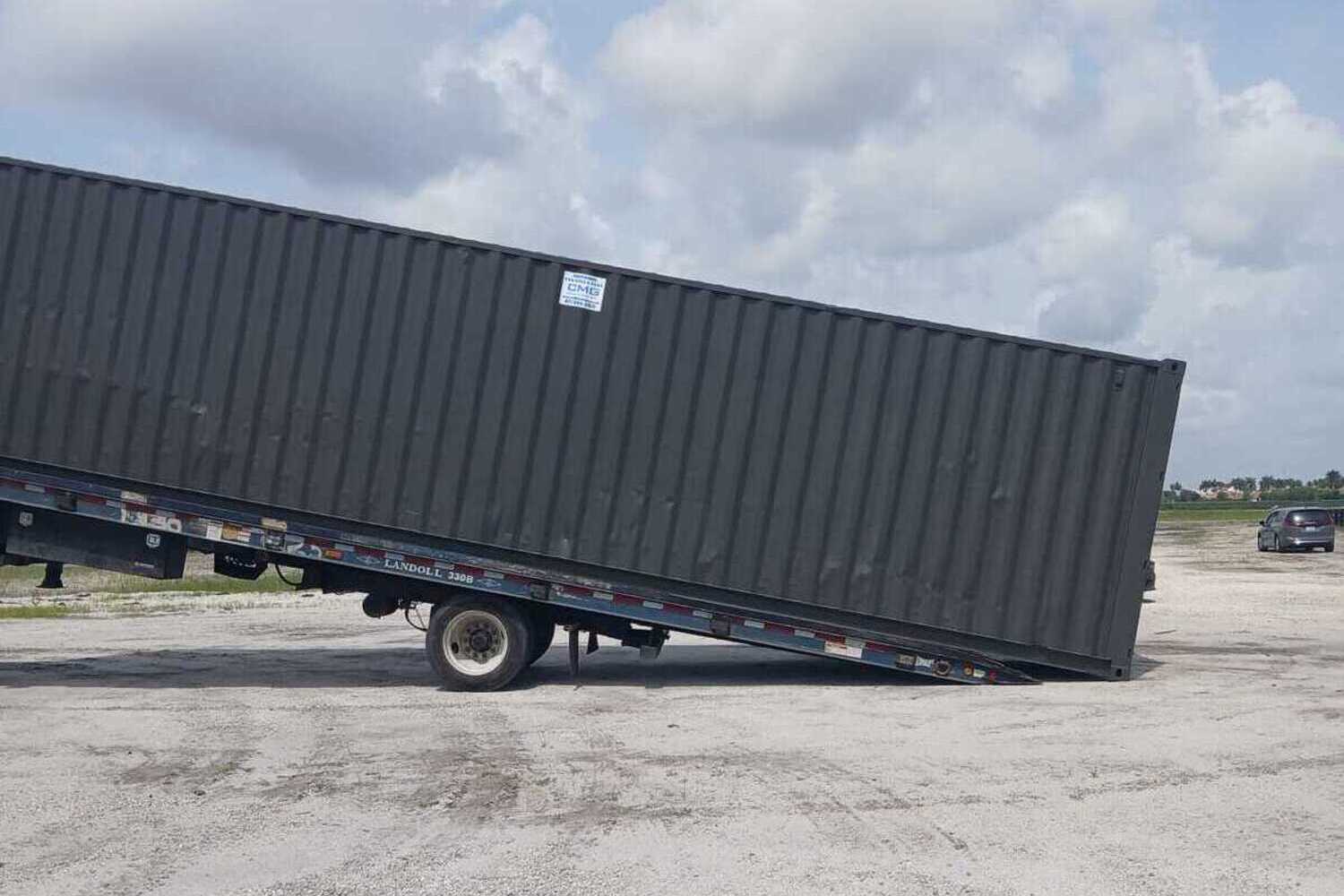
Before diving into use cases, it’s important to understand what defines portable storage containers. These units are durable, enclosed steel containers designed to be delivered directly to your site and used for temporary or ongoing storage.
Unlike traditional storage units located off-site, portable storage containers remain on your property, allowing immediate access whenever needed. They are commonly available in multiple sizes and configurations, making them suitable for both small-scale residential needs and large commercial operations.
Core Characteristics of Portable Storage Containers
- Heavy-duty steel construction
- Weather-resistant and secure design
- Lockable doors for protection
- Available in multiple size options
- Easily delivered and relocated
Their mobility and durability are what distinguish them from traditional storage solutions.
Why Flexibility Matters in Modern Storage
Storage challenges today are rarely long-term and predictable. Businesses experience seasonal peaks, construction projects evolve, and homeowners often require temporary solutions during life transitions.
Portable storage units allow users to respond to these changes without overcommitting to permanent structures or costly warehouse leases.
Flexibility means:
- Storage that scales up or down as needed
- No long-term construction commitments
- On-demand relocation
- Immediate access without travel
For both businesses and households, that adaptability reduces stress and operational disruption.
Portable Storage Containers for Businesses
Businesses often face fluctuating inventory, equipment storage needs, and temporary expansion requirements. Portable storage containers provide a practical way to increase capacity without expanding physical infrastructure.
Construction and Job Sites
Construction projects generate constant movement of materials and tools. Having mobile storage containers on-site keeps equipment secure and accessible, reducing theft risk and downtime.
Retail and Seasonal Inventory
Retailers often need extra storage during peak seasons. Temporary storage containers allow businesses to store overflow inventory nearby without committing to additional warehouse space.
Manufacturing and Equipment Storage
Manufacturers and industrial operations use portable storage units to protect tools, spare parts, and materials while maintaining organized workspaces.
By keeping storage close to the operational site, businesses reduce transportation time and improve workflow efficiency.
Portable Storage Solutions for Homeowners
Portable storage containers are not limited to commercial use. Homeowners frequently rely on them during life events that temporarily disrupt space.
Home Renovations
Renovations create clutter and expose belongings to dust or damage. Temporary storage containers provide a secure location for furniture and valuables during remodeling.
Moving and Relocation
Mobile storage containers simplify moving by allowing gradual packing. Instead of rushing everything into a truck, homeowners can load at their own pace.
Decluttering and Downsizing
For families transitioning to smaller spaces, portable storage units offer temporary relief while deciding what to keep or sell.
Keeping storage on-site reduces the hassle of repeated trips to off-site facilities.
Temporary Storage Containers for Short-Term Projects
Not every storage need is permanent. Many situations require short-term solutions that can be removed once the project is complete.
Temporary storage containers are ideal for:
- Event logistics
- Disaster recovery
- Seasonal business demands
- Short-term construction projects
Their ability to be delivered, used, and picked up when no longer needed makes them highly efficient for temporary operations.
Security and Durability
One of the biggest concerns with on-site storage is security. Portable storage containers are designed to withstand both environmental conditions and unauthorized access.
Built for Protection
- Solid steel construction
- Reinforced locking mechanisms
- Weather-resistant seals
- Durable flooring for heavy loads
Unlike makeshift sheds or open storage areas, portable containers provide enclosed, lockable protection for valuable items.
Portable Storage Units vs Traditional Storage Facilities
Choosing between portable storage units and off-site facilities depends largely on access and convenience.
Traditional Storage Facilities
- Located off-site
- Limited access hours
- Travel required to retrieve items
- Often require long-term contracts
Portable Storage Containers
- Delivered directly to your location
- 24/7 access on your property
- No travel time required
- Flexible rental terms
For users who need frequent access, on-site solutions provide significant convenience advantages.
Scalability and Size Options
Another key advantage of mobile storage containers is scalability. Businesses and homeowners can choose container sizes based on current needs.
Common sizes include:
- Smaller units for residential use
- Mid-sized units for equipment storage
- Larger containers for commercial inventory
Because containers can be added or removed as needed, users avoid overpaying for unused space.
Cost Efficiency Over Time
Portable storage containers offer cost advantages compared to permanent construction or warehouse leasing.
Building additional space requires permits, labor, materials, and time. Renting warehouse space often involves long-term commitments. Portable storage units eliminate those upfront investments.
Where Cost Savings Come From
- No construction expenses
- Short-term rental flexibility
- Reduced transportation costs
- Lower overhead for seasonal use
For many businesses, the ability to scale storage without expanding real estate is financially strategic.
Ease of Delivery and Setup
One of the strongest benefits of portable storage containers is simplicity. Units are delivered directly to your site and placed in a convenient location.
There is no complex setup required. Once positioned, the container is ready for immediate use.
When no longer needed, it can be picked up and relocated without structural changes to your property.
This ease of deployment makes portable storage particularly attractive for time-sensitive projects.
Environmental and Practical Advantages
Using portable storage containers can also reduce environmental impact compared to constructing new storage facilities.
Reusing steel containers limits material waste and supports sustainable practices. Additionally, their durability ensures long service life.
From a practical standpoint, their modular nature allows businesses and homeowners to adapt quickly without major construction.
Long-Term vs Short-Term Use
While many users rely on portable storage containers for temporary needs, they can also serve as long-term storage solutions.
Businesses may keep containers permanently on-site for ongoing equipment storage. Homeowners may use them during extended renovation projects.
Whether used for weeks or years, their functionality remains consistent.
Choosing the Right Portable Storage Container
Selecting the right container involves more than just size. Businesses and homeowners should evaluate several practical factors before making a decision.
Key Considerations
- Duration of use: Short-term rental or long-term placement
- Size requirements: Volume of items and accessibility needs
- Site access: Clearance for delivery and placement
- Security needs: Type of locking mechanisms required
- Environmental exposure: Climate and weather conditions
By assessing these variables in advance, users ensure the storage solution aligns with both immediate and future needs. Taking time to evaluate logistics upfront prevents unnecessary adjustments later.
Storage That Moves With You
Storage needs evolve. Businesses grow, homes change, and projects demand adaptability. Portable storage containers provide a flexible, secure solution that adjusts to those changing needs without permanent construction or long-term commitments.
From mobile storage containers supporting commercial operations to temporary storage containers assisting homeowners during transitions, these units offer convenience, scalability, and peace of mind.
When flexibility, accessibility, and cost control matter, portable storage containers are not just a backup plan—they’re a strategic storage solution.