
Not all shipping containers are built for the same kind of workflow. Some are great for long-term storage, others for transport—but when speed and access start to matter, standard designs can feel limiting.
That’s where double door containers for sale come into the picture.
Instead of relying on a single entry point, these containers give you access from both ends. It sounds like a small change, but in practice, it completely shifts how you load, organize, and use the space.
Let’s break down why they’ve become a preferred option for faster, more flexible operations.
What Are Double Door Shipping Containers?
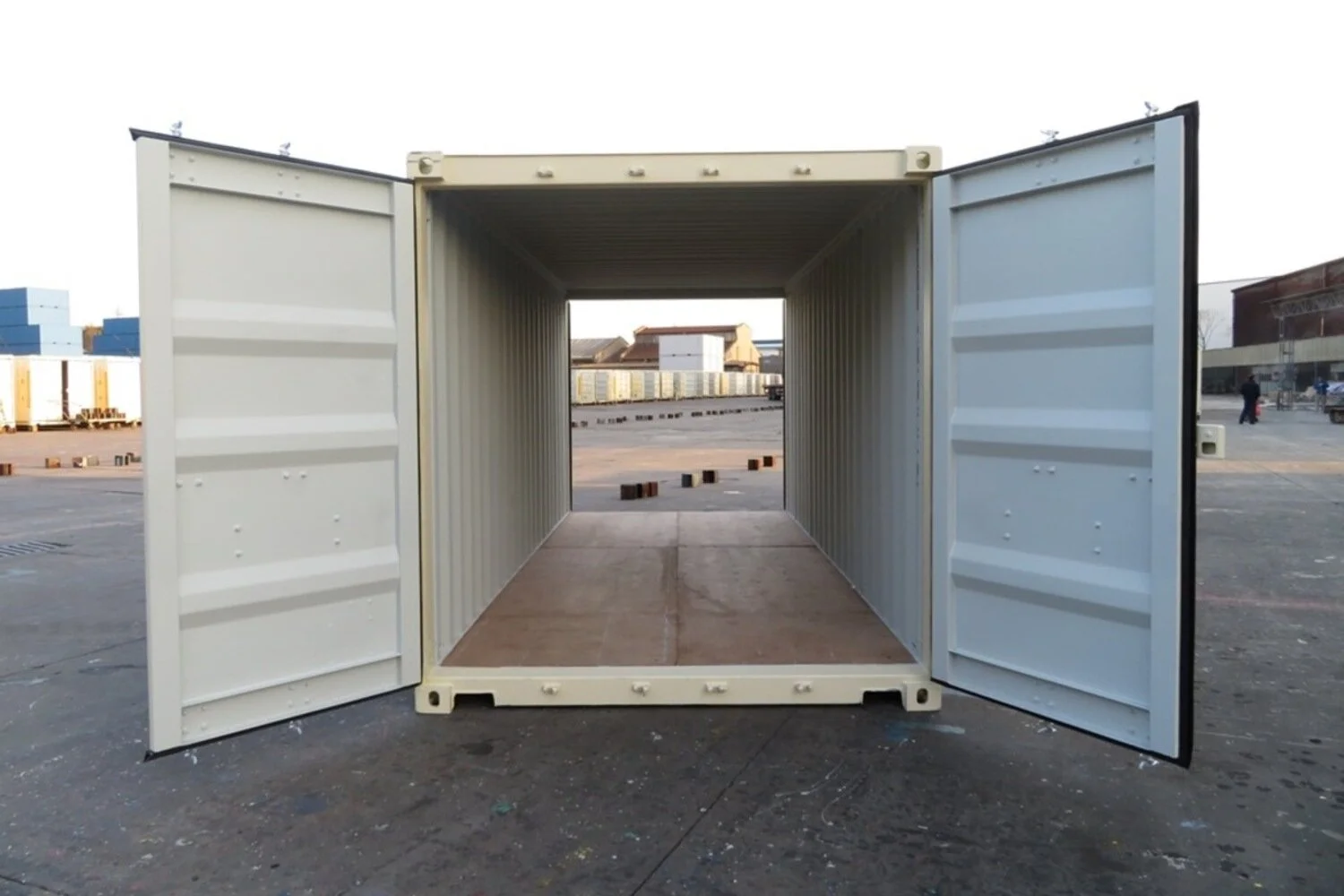
Double door shipping containers—often referred to as tunnel containers—are units designed with doors on both ends.
In the container industry, the correct term is double door containers, though you might occasionally hear them described informally as containers with access on both ends. Either way, the concept is simple: instead of one entry point, you get two.
This design allows you to:
- Load and unload from either side
- Create a pass-through layout
- Improve access to stored materials
It’s a small structural difference with a big impact on usability.
Faster Loading and Unloading
One of the most immediate advantages of double door container benefits is speed.
With standard containers, loading happens from one end. That means everything is stacked inward, and unloading often requires moving items just to reach what’s behind them.
Double door containers change that.
You can:
- Load from both ends at the same time
- Separate incoming and outgoing items
- Reduce handling time
For businesses dealing with frequent movement of goods, this translates directly into saved time—and less manual effort.
Better Organization Inside the Container
Access from both ends also makes organization more practical.
Instead of stacking items in a single direction, you can divide the container into sections. This makes it easier to:
- Store different categories of materials
- Access specific items without rearranging everything
- Keep workflows more structured
With double door storage containers, the interior feels less like a deep storage tunnel and more like a usable, accessible space.
Improved Workflow on Job Sites
On active job sites, delays don’t come from big problems—they come from small inefficiencies repeated over time.
Having access from both ends helps reduce those small delays.
For example:
- Teams can enter from one side and exit from the other
- Tools and materials can be organized based on usage
- Multiple people can access the container without getting in each other’s way
It creates a smoother flow, especially in environments where time and coordination matter.
Ideal for Storage with Frequent Access
If your container is opened occasionally, a standard design works fine.
But if it’s opened constantly, access becomes everything.
Containers with doors on both ends are particularly useful when:
- Inventory changes frequently
- Items need to be accessed quickly
- Storage is part of daily operations
Instead of working around the container, the container works with your routine.
Flexibility for Different Use Cases
Double door containers are used across a wide range of industries because they’re not tied to one specific function.
They work well for:
- Storage and distribution
- Construction site operations
- Equipment storage
- Temporary workspaces
Their design allows them to adapt depending on how they’re used, which is why they’re often chosen for projects that don’t follow a fixed pattern.
Tunnel Containers for Sale: When They Make the Most Sense
If you’re looking into tunnel containers for sale, you’re likely dealing with one of two situations: either access is slowing you down, or organization is becoming a problem.
These containers make the most sense when:
- You need continuous movement of goods
- You want to reduce loading and unloading time
- Your storage setup changes often
They’re not always necessary—but when they are, the difference is noticeable almost immediately.
Easier Access for Long or Bulky Items
Standard containers can make handling long or awkward items frustrating. Everything has to fit through one end, and maneuvering inside a narrow space isn’t always easy.
Double door containers solve that problem by allowing access from both sides.
This makes it easier to:
- Load longer materials without tight turns
- Position items more efficiently
- Remove large items without shifting everything else
It’s a practical advantage that shows up quickly in real use.
Reduced Handling and Less Wear on Materials
Every time items are moved unnecessarily, there’s a risk of damage.
With single-door containers, that’s often unavoidable. You move one thing to reach another, then move it back again.
With double door containers, access is more direct.
That means:
- Less handling
- Lower risk of damage
- More efficient use of time
Over time, that adds up—especially for businesses dealing with valuable or sensitive materials.
Better Airflow and Visibility Inside the Container
This one doesn’t get talked about much, but it matters more than you’d think.
Being able to open both ends improves airflow and natural light inside the container. That makes it easier to:
- See what you’re working with
- Reduce that “dark tunnel” feeling
- Work inside the container more comfortably
It’s a small quality-of-life improvement that becomes noticeable pretty quickly, especially if you’re using the container throughout the day.
Easier Integration Into Site Layouts
Some job sites or storage areas aren’t designed with perfect access in mind.
With standard containers, placement matters a lot—you need space at the front to open doors and maneuver items.
Double door containers give you more flexibility in how you position them.
You can:
- Align them with pathways or workflows
- Access from whichever side is more convenient
- Avoid tight or awkward loading zones
That flexibility makes planning easier, especially in crowded or evolving spaces.
Supporting High-Turnover Storage Operations
If your storage setup involves constant movement—items coming in and going out—standard containers can slow things down.
Double door containers handle high turnover more efficiently.
They allow you to:
- Separate incoming and outgoing materials
- Keep inventory flowing without bottlenecks
- Maintain a more organized system over time
Instead of resetting your storage every time, you can keep things moving continuously.
Less Time Spent Rearranging
This is one of those hidden benefits you only notice after using both types.
With single-door containers, rearranging becomes part of the routine. You move things not because you want to—but because you have to.
Double door containers reduce that need.
You can:
- Reach items directly
- Avoid shifting unrelated materials
- Keep your setup stable over time
It’s less about speed and more about avoiding unnecessary work altogether.
Choosing the Right Double Door Container
Not all containers are the same, and choosing the right one depends on how you plan to use it.
Things to consider:
- Size (20ft vs 40ft containers)
- Frequency of access
- Type of materials stored
- Site layout and space
A smaller unit might work for basic storage, while a larger container provides more flexibility for active operations.
The goal is to match the container to your workflow—not force your workflow to adapt.
Double Door Containers vs Standard Containers
It’s not about one being better than the other—it’s about what you need.
Standard containers:
- Simpler design
- Lower cost
- Ideal for long-term storage
Double door containers:
- Better access
- Faster loading and unloading
- More flexible interior use
If access is part of your daily routine, the choice becomes pretty clear.
Why Access Makes the Difference
At the end of the day, most storage problems aren’t really about space—they’re about access.
You can have a perfectly sized container, but if reaching what you need takes extra time, effort, or constant rearranging, that space isn’t working efficiently.
That’s where double door containers for sale stand out. They don’t try to reinvent storage—they just remove one of its biggest friction points.
They help you move faster when loading, stay organized without overthinking it, and avoid the kind of small inefficiencies that quietly slow everything down over time.
And that’s really the point. Not to overcomplicate things—but to make everyday use easier, smoother, and a lot less frustrating.