
Remote projects do not run on equipment alone. They run on people who need a safe place to sleep, eat, rest, and recover after long shifts. That is where man camp housing becomes a practical part of workforce planning.
For oil, gas, mining, construction, infrastructure, and energy projects, work often happens far from established housing, hotels, restaurants, and daily services. Crews may be sent to rural areas, industrial zones, pipeline routes, extraction sites, or temporary job locations where traditional accommodations are unavailable or too far from the worksite.
Man camp housing helps close that gap. It gives companies a way to house workers near the project site while supporting productivity, safety, scheduling, and operational continuity. When planned well, it is not just “a place to stay.” It becomes part of the project’s foundation.
What Is Man Camp Housing?
Man camp housing refers to temporary or semi-temporary accommodations built to support workers in remote or demanding project locations. These facilities are commonly used in industries where employees need to stay near the worksite for a specific period of time.
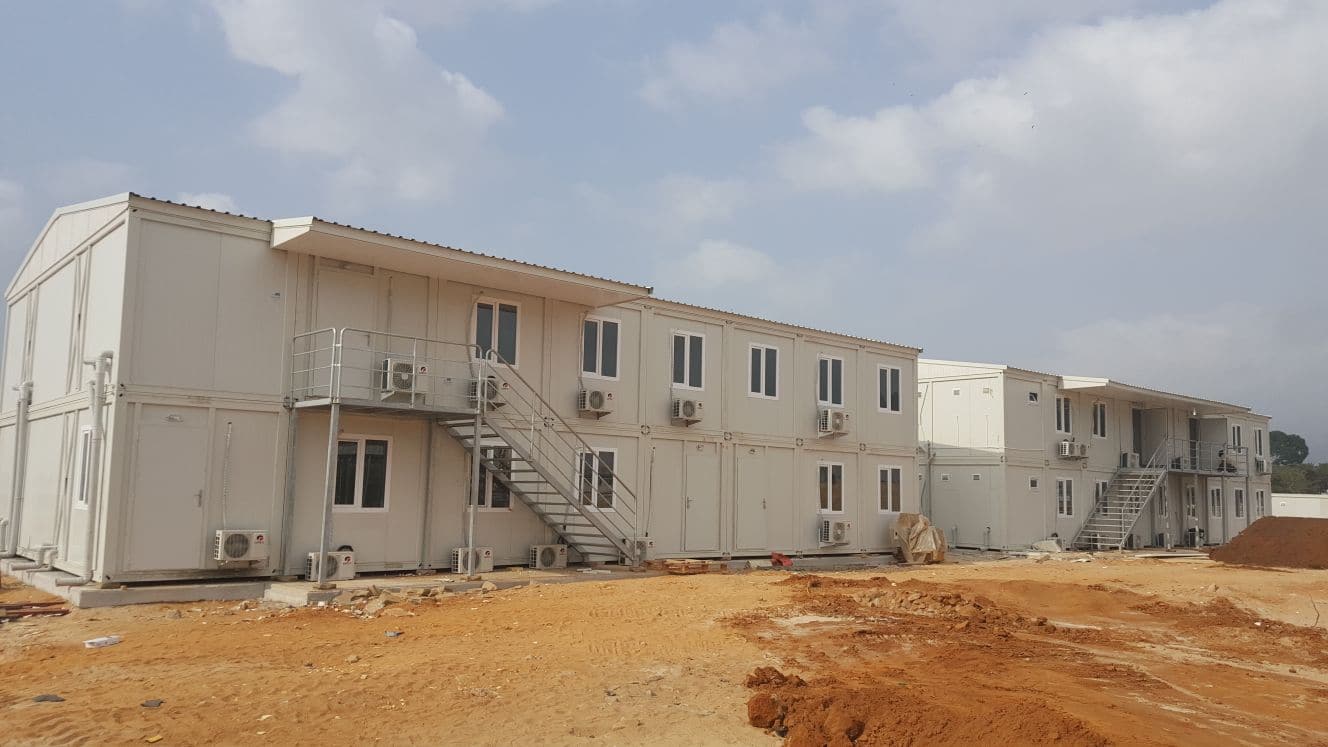
Depending on the project, man camp housing may include sleeping quarters, restrooms, showers, dining areas, laundry rooms, recreation spaces, offices, storage areas, and support units. Some setups are simple and compact, while others are larger workforce housing communities designed to support many workers at once.
Man camp housing is commonly used for:
- Oil and gas fields
- Mining operations
- Large construction sites
- Pipeline projects
- Renewable energy projects
- Road and bridge work
- Industrial expansion projects
- Emergency response and disaster recovery work
The goal is simple: give crews reliable accommodations close to where the work happens. On remote projects, that simple goal quickly becomes essential.
Man Camp Housing for Oil and Gas Projects
Oil and gas projects often take place in remote areas where permanent housing is limited. Exploration sites, drilling locations, pipeline corridors, and production zones may require crews to stay near the work for weeks or months at a time.
Oilfield housing needs to be durable, organized, and suitable for demanding schedules. Workers may operate on rotational shifts, and crews may need accommodations that support rest during both day and night hours. Noise control, climate control, sanitation, and meal access can all affect how well the workforce functions.
Man camp housing can support oil and gas projects by providing:
- Sleeping quarters near drilling or production sites
- Restroom and shower units for daily hygiene
- Dining or kitchen facilities for crew meals
- Laundry areas for work clothing
- Office units for supervisors and project managers
- Storage space for supplies and personal gear
- Flexible layouts for changing crew sizes
In oilfield housing, speed and reliability matter. A project may need housing quickly as operations expand or shift to a new location. Container-based or modular-style accommodations can help teams respond faster than traditional building methods, especially when the site itself is temporary.
Housing Solutions for Mining Operations
Mining projects often require workforce housing in rugged, isolated, or difficult-to-access areas. Whether the site involves surface mining, mineral exploration, quarry work, or support operations, workers need accommodations that can handle the environment and the schedule.
Mining camp housing is often built around long-term project phases. Unlike a short construction job, mining operations may continue for months or years. This means housing must balance durability with daily livability. Workers need more than a bunk and a roof. They need rest, hygiene, food access, privacy where possible, and spaces that support life outside the work shift.
For mining projects, man camp housing can help with:
- Supporting workers in isolated locations
- Reducing travel time between lodging and the mine site
- Improving crew readiness for early or rotating shifts
- Providing controlled accommodations in harsh environments
- Helping companies manage large workforce groups
- Supporting safety and accountability on-site
Good mining camp housing can also reduce strain on nearby communities. Small towns near mining projects may not have enough rental units, hotel rooms, or infrastructure to absorb a sudden influx of workers. Workforce housing gives companies a more self-contained solution while helping local communities avoid being overwhelmed.
Construction Worker Housing for Large Projects
Large construction projects often bring in workers from outside the local area. This is common for infrastructure builds, energy facilities, industrial plants, highways, bridges, and major commercial developments. When the project is far from a major city, construction worker housing becomes a practical need.
Temporary workforce housing can help construction companies keep crews close to the jobsite and maintain better schedule control. Instead of relying on scattered hotel bookings or long daily commutes, companies can provide organized housing that matches the project timeline.
Construction worker housing is especially useful when projects involve:
- Remote job locations
- Large crews from different regions
- Short-term but intense work periods
- Multiple subcontractor teams
- Extended shifts or phased schedules
- Limited nearby lodging options
- High transportation costs
For construction projects, man camp housing can also support on-site coordination. When workers are housed nearby, supervisors can manage schedules more easily, crews can respond faster to weather windows or project changes, and teams can stay connected across different phases of work.
This is not about making workers live at work. That line matters. It is about reducing unnecessary logistical friction while making sure accommodations are safe, clean, and appropriate for the people doing the work.
Key Features of Effective Man Camp Housing
Not all workforce housing is the same. A good housing setup should match the project’s size, location, duration, climate, and crew needs. The right configuration can make daily operations smoother, while the wrong one can create problems quickly.
Important features may include:
- Comfortable sleeping areas
- Reliable heating and cooling
- Restrooms and showers
- Dining or food service areas
- Laundry facilities
- Break rooms or recreation spaces
- Office or administrative units
- Storage areas
- Security and controlled access
- Safe walkways and lighting
- Utility connections for power, water, and wastewater
- Scalable layouts for changing crew sizes
Comfort should not be treated as a luxury. On demanding remote projects, rest is directly connected to safety and performance. Workers who sleep poorly, cannot shower properly, or have no place to decompress are not being “tough.” They are being worn down, and eventually, the project feels it too.
Flexibility for Changing Project Demands
Remote workforce projects rarely stay exactly the same from start to finish. Crew sizes change. Timelines shift. Weather affects schedules. New phases begin. Some teams leave while others arrive. A housing solution needs to adapt to that reality.
Man camp housing can provide flexibility because units can often be added, removed, relocated, or reconfigured as project demands change. This makes it easier for companies to scale accommodations without overbuilding from the beginning.
Flexible housing can help companies:
- Add more units as crew size grows
- Reduce housing capacity when a project slows down
- Move accommodations closer to changing work areas
- Separate sleeping, dining, office, and sanitation spaces
- Support different teams or subcontractors
- Adjust layouts for short-term or long-term phases
This is especially valuable for oil, gas, mining, and construction projects where the location or workforce plan may evolve. A rigid housing setup can become a problem. A flexible one gives project managers more room to respond.
Safety, Organization, and Workforce Well-Being
Safety does not stop when the shift ends. Workers still need safe accommodations, clean facilities, lighting, reliable access, and organized site planning. Man camp housing can support safety by creating a managed living environment near the worksite.
A well-planned camp can help companies manage:
- Worker check-ins and accountability
- Emergency response planning
- Safe transportation routes
- Controlled site access
- Clean sanitation facilities
- Proper spacing between units
- Lighting for walkways and common areas
- Separation between living areas and active work zones
Workforce well-being is also part of the equation. Remote work can be physically and mentally demanding. Long shifts, isolation, harsh weather, and limited personal space can affect morale. Housing cannot solve every problem, but it can either support workers or make everything harder.
Cost and Efficiency Advantages
Man camp housing can also help companies control costs. While there is an upfront investment in planning, delivery, installation, and utilities, the overall savings can be significant compared with scattered hotel stays, long-distance transportation, or delayed project timelines.
Temporary workforce housing may help reduce:
- Daily travel time
- Fuel and transportation expenses
- Hotel booking complications
- Schedule delays caused by distance
- Worker fatigue from long commutes
- Pressure on nearby local lodging markets
- Administrative work related to housing coordination
For large crews, these savings can become substantial. More importantly, the project gains consistency. Workers know where they are staying. Supervisors know where crews are located. Transportation becomes easier to plan. Daily operations become less scattered.
Support Remote Workforce Projects with CMG Containers
Man camp housing plays a major role in keeping remote projects organized, efficient, and worker-ready. For oil, gas, mining, and construction operations, dependable accommodations close to the site can reduce travel challenges, improve scheduling, and support better day-to-day conditions for crews.
CMG Containers helps businesses and project managers explore practical container-based solutions for remote workforce housing, temporary workforce housing, construction worker housing, mining camp housing, and oilfield housing needs. Whether the project requires compact sleeping units, office support, storage, or a larger camp-style setup, the right configuration can make remote work easier to manage from the start.
A remote project already comes with enough challenges. Housing should not be one of the problems dragging the operation down. With the right man camp housing solution, companies can give their crews a reliable place to rest, reset, and stay ready for the work ahead.