
Shipping and storage challenges rarely come from lack of space—they come from lack of access. Oversized equipment, long materials, and frequently handled cargo all expose the limitations of standard end-door containers. Open side shipping containers are designed specifically to address these real-world constraints.
With full-length side access, these containers offer a fundamentally different way to load, organize, and retrieve cargo. Instead of forcing operations to adapt to the container, the container adapts to the operation—saving time, reducing risk, and improving overall efficiency.
What Are Open Side Shipping Containers?
Before exploring their advantages, it helps to understand what structurally separates open side containers from standard models. These containers are not modified afterthoughts—they are purpose-built to deliver wider, more flexible access.
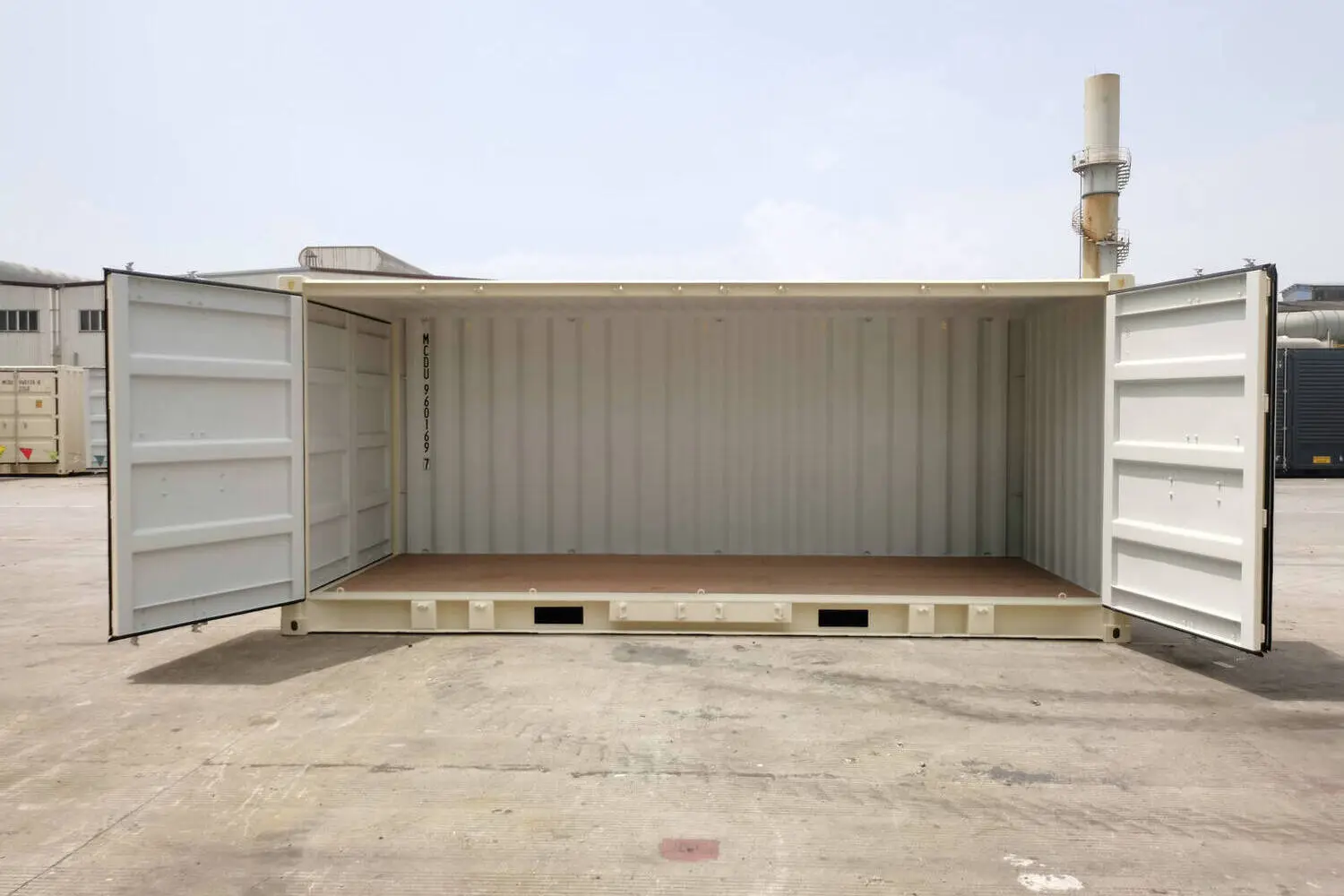
Open side shipping containers feature full-length doors along one entire side, allowing cargo to be loaded and accessed laterally instead of only from the rear. Despite this difference, they meet the same ISO standards as traditional containers and are compatible with standard transport systems.
Core Structural Characteristics
- Full-length side opening doors
- Heavy-duty steel construction
- Reinforced frames to maintain structural integrity
- Secure multi-point locking systems
- Weather-resistant seals for cargo protection
This design turns the container into a flexible working and storage environment rather than a sealed box.
The Core Advantage: Full-Length Side Access
Access is not a secondary feature—it defines how a container functions day to day. Full-length side access changes the internal logic of storage and handling.
With open side shipping containers, cargo is no longer trapped behind other items. The entire interior becomes visible and reachable at once, allowing for faster, safer, and more intuitive handling.
Why Full-Length Access Matters Operationally
- Cargo can be loaded or removed in any order
- Entire contents are visible at a glance
- Forklifts and pallet jacks gain lateral entry
- Time spent rearranging cargo is dramatically reduced
For operations that require flexibility rather than fixed sequencing, this access model is a decisive advantage.
Why Open Side Shipping Containers Are Ideal for Oversized Cargo
Oversized cargo exposes the physical limits of traditional containers more than any other use case. Narrow end doors, limited turning space, and rigid loading paths create unnecessary friction.
Open side shipping containers remove these constraints by design, allowing oversized items to be handled efficiently and safely without workarounds.
Key Benefits for Oversized Loads
Oversized cargo doesn’t just challenge container dimensions—it exposes weaknesses in loading logic, handling safety, and workflow efficiency. This is where open side shipping containers show their real strength. By removing the physical constraints of narrow end doors, they allow oversized items to be handled on their own terms rather than being forced into an ill-suited format.
Each of the benefits below addresses a specific pain point commonly encountered when moving or storing large, heavy, or irregularly shaped cargo.
- Wider Entry Without Bottlenecks
Side opening shipping containers eliminate the narrow doorway problem entirely. Large equipment, wide panels, or prefabricated components can be placed directly into the container without squeezing, tilting, or partial disassembly.
- Straight-Line Loading
Long materials such as steel beams, pipes, or timber can be loaded horizontally in a single, controlled motion. This reduces handling complexity and lowers the risk of strain or accidents during placement.
- Reduced Risk of Damage
Fewer forced movements mean less scraping, bending, or impact. This is especially critical for high-value machinery or precision components that are vulnerable to even minor damage.
- Better Load Distribution
Instead of pushing everything toward the back of the container, cargo can be distributed evenly across the floor. This improves balance, stability, and overall safety during storage and transport.
Easy Access Means Faster Operations
When containers are used as active storage rather than sealed transport units, accessibility becomes a productivity issue. The faster items can be reached, the smoother operations run.
Open side cargo containers are especially valuable in environments where inventory changes frequently or individual items must be accessed without delay.
How Easy Access Improves Workflow
- No need to unload entire containers to reach one item
- Faster inventory checks and retrieval
- Reduced labor and equipment use
- Lower operational downtime
Over time, these gains accumulate into measurable cost and time savings.
Industries That Benefit Most from Open Side Shipping Containers
Different industries face different cargo challenges, but access flexibility is a common need. Open side containers meet that need across a wide range of sectors.
Construction and Infrastructure
Construction sites handle oversized materials, evolving inventories, and tight spaces. Side access allows crews to retrieve materials safely without unloading the entire container.
Manufacturing and Industrial Operations
Factories benefit from easier handling of machinery parts, tooling, and irregular components that don’t fit standard pallets.
Logistics and Freight Handling
For staging, cross-docking, or mixed cargo loads, side opening shipping containers reduce turnaround times and simplify handling.
Retail, Events, and Temporary Installations
Visibility and accessibility matter in pop-up operations. Open side containers often function as both storage and operational space.
Agriculture and Equipment Storage
Seasonal tools, large equipment, and bulk supplies are easier to manage with unrestricted side access.
Open Side Containers vs Standard Containers
Choosing between container types comes down to how cargo is used, not just how much space is needed. The difference lies in flexibility and access logic.
- Standard Containers
Access is limited to one end, requiring strict loading order and additional handling effort.
- Open Side Shipping Containers
Full-length access enables flexible loading, easier retrieval, and better handling of oversized items.
For dynamic operations, side access offers a clear functional upgrade.
Buying vs Renting Open Side Containers
Once the need for side access is clear, the next decision is whether to buy or rent. This choice depends on project duration, usage frequency, and operational planning.
When Buying Makes Sense
Long-term use, repeated deployment, or customized interiors often justify purchasing open side containers for sale.
When Renting Is More Practical
Short-term projects, seasonal demand, or temporary sites often benefit from rental flexibility.
Both options deliver the same performance advantages—the difference lies in commitment and cost structure.
Security and Weather Protection
A common concern with side opening shipping containers is whether large doors compromise security. In practice, these containers are built to remain robust when closed.
Built to Protect
- Reinforced frames prevent structural flex
- Multi-point locking systems secure doors
- Weather-tight seals block moisture and debris
- Steel construction resists impact and intrusion
When locked, open side containers offer protection comparable to standard units.
Customization and Modification Potential
Side access makes interior customization far more practical. Instead of working around a single entry point, layouts can be designed for usability.
Common Use Modifications
- Shelving and racking systems
- Mobile workshops or tool storage
- Temporary offices or inspection areas
- Display and showroom conversions
- Climate-controlled storage
These modifications are easier to use and maintain thanks to full-length access.
Open Side Containers as Active Workspaces
Beyond storage, open side shipping containers excel as active work environments. When doors are open, the container becomes an extension of the worksite.
Workspace Advantages
- Improved airflow and natural light
- Easy movement of tools and materials
- Clear visibility across the interior
- Seamless transition between storage and work
This makes them ideal for on-site maintenance, fabrication, and staging operations.
Cost Efficiency Over the Long Term
While open side containers may have a higher upfront cost, operational savings often offset the difference over time.
Where the Savings Come From
- Reduced labor during loading and unloading
- Lower damage-related losses
- Faster project completion
- Fewer material handling tools needed
In high-use environments, these efficiencies quickly translate into real financial benefits.
Transportation and Placement Considerations
Despite their specialized access design, open side shipping containers remain fully compatible with standard logistics systems.
They can be transported by truck, rail, or ship, stacked when closed, and placed using standard equipment. The primary planning requirement is allowing clearance on the side where doors will open.
Access Is the Real Upgrade
Most container limitations are not about capacity—they’re about reach. Open side shipping containers solve this problem directly.
By improving access, accommodating oversized cargo, and supporting active workflows, side opening shipping containers offer a smarter, more adaptable approach to storage and transport.
For operations that value efficiency, safety, and flexibility, this container type is not a niche option—it’s a strategic one.