
CMG’s broader storage container rental inventory includes standard and specialty options for residential, construction, and commercial use.
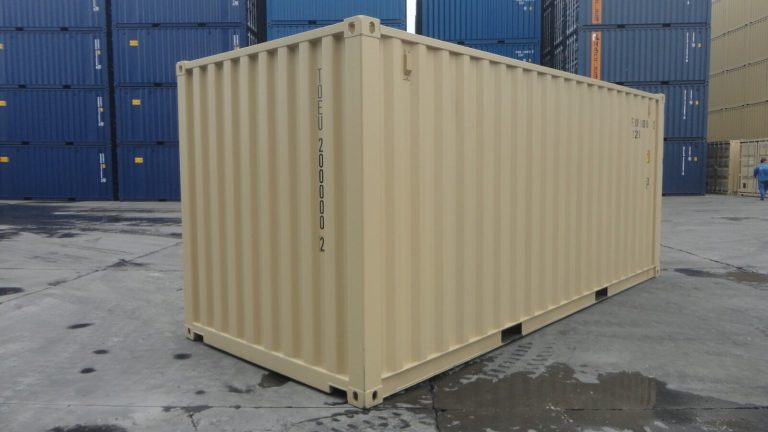
Our 20ft shipping containers for rent are perfect for various needs, from creating office spaces to securing your goods for transport.
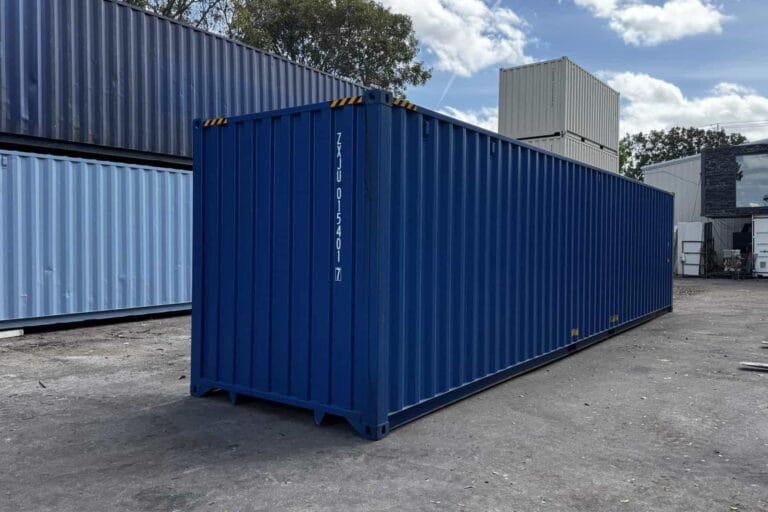
Explore durable and versatile 40ft shipping containers for rent, designed to meet all your storage and transportation needs.
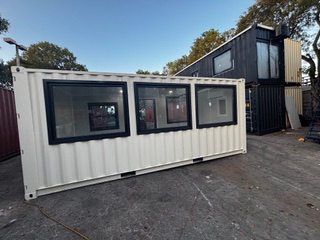
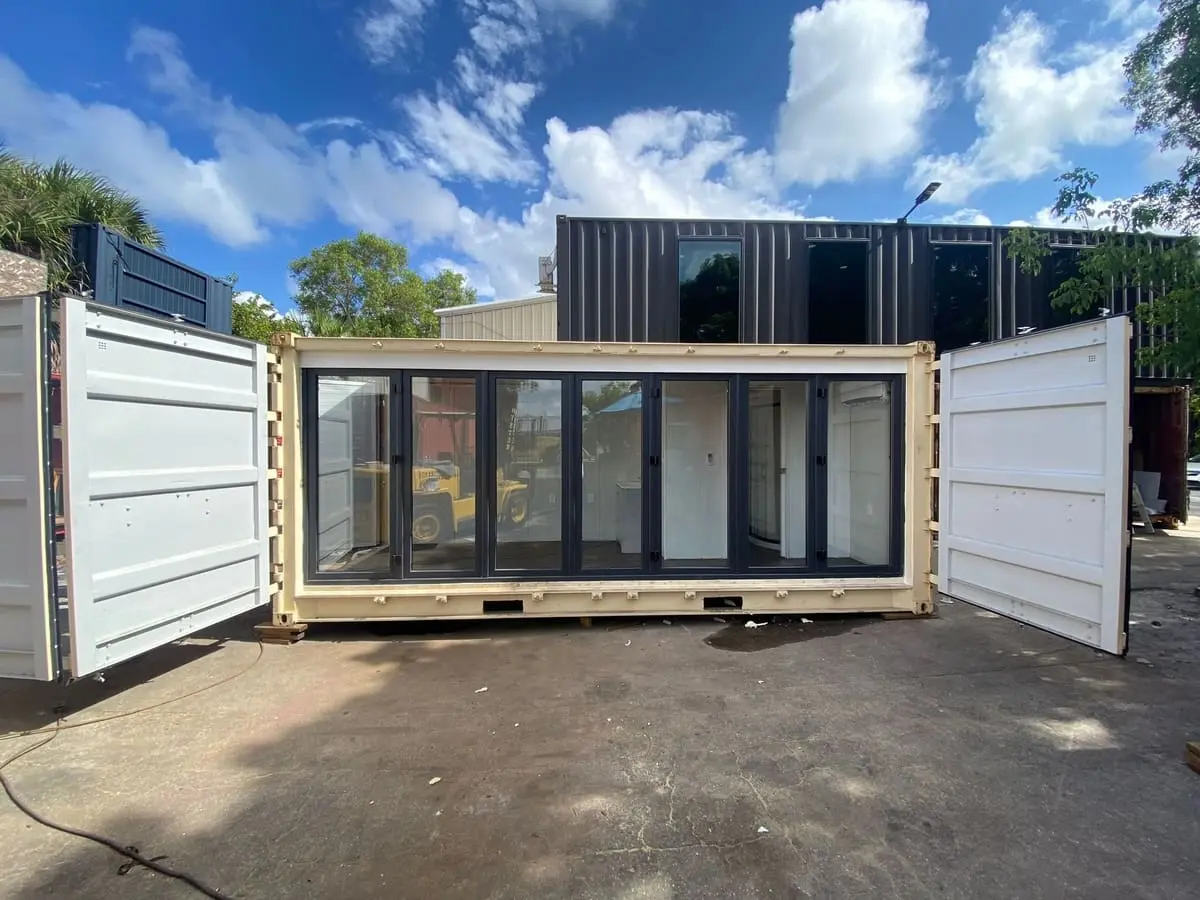
Choose our mobile office containers if you have no place to work and spending months on a construction site is unbearable.
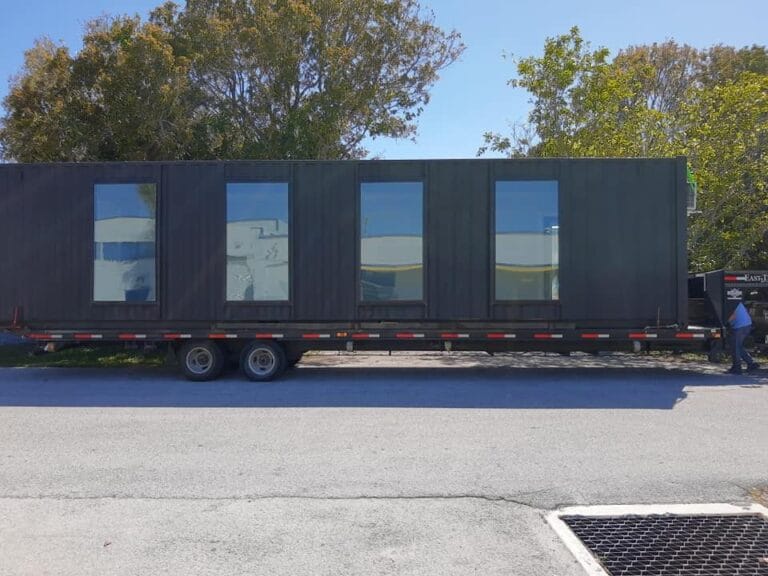
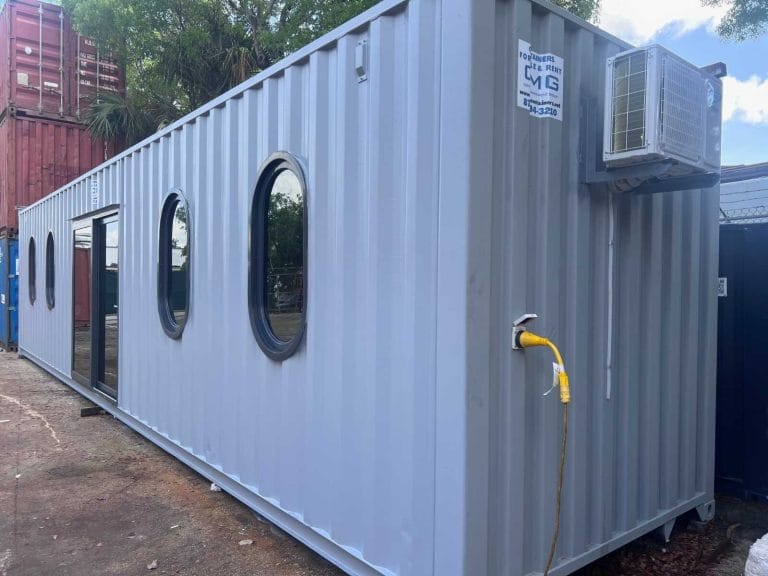
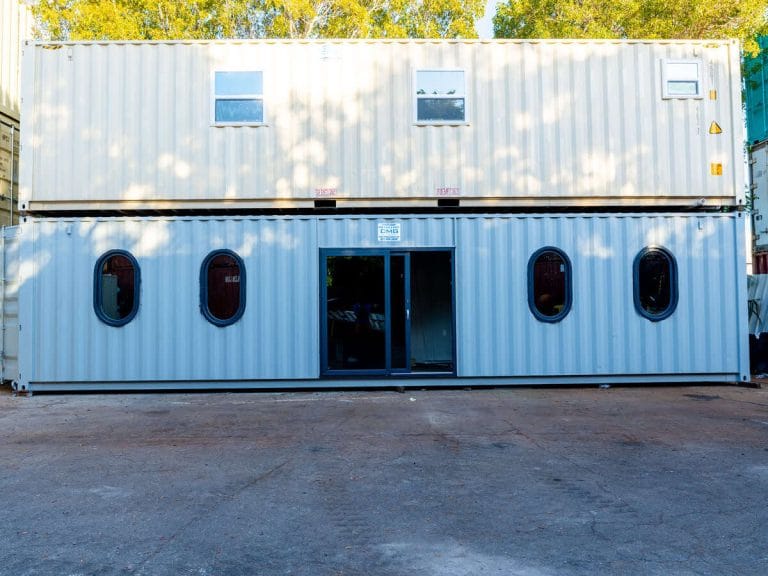
Discover our top-quality 40ft office and storage containers for rent, designed to meet your shipping and storage needs.
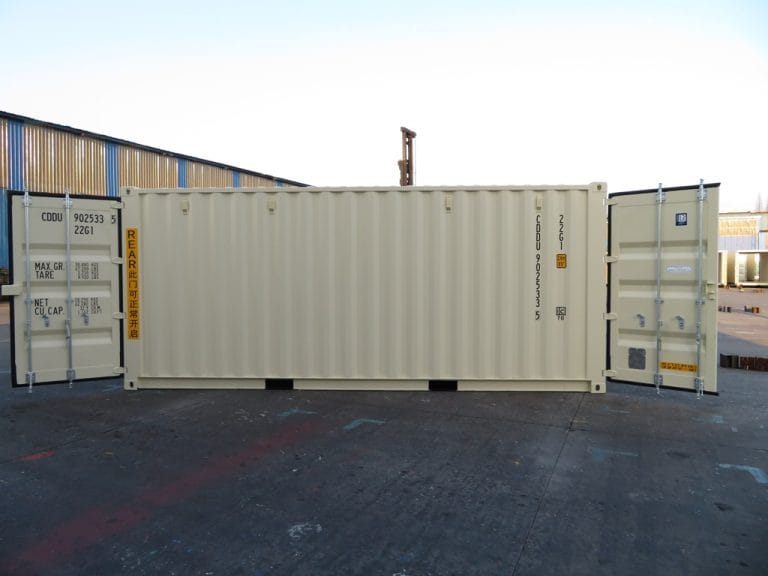
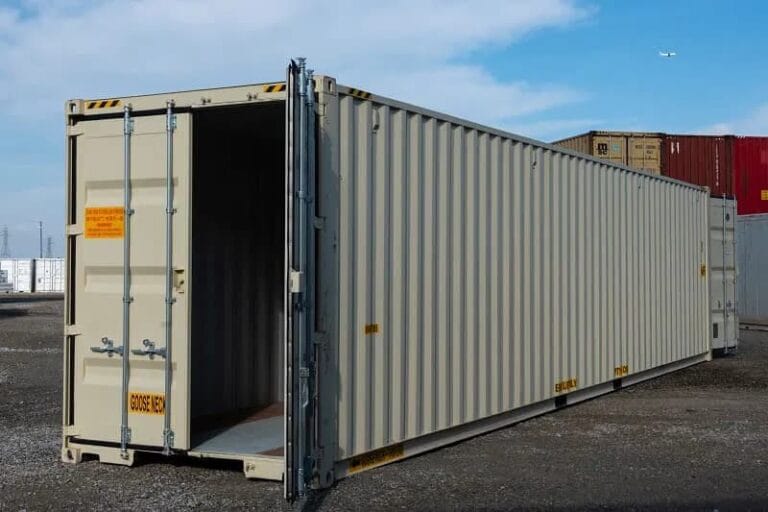
Featuring standard cargo doors at both ends and an extra foot of vertical clearance, this 40ft high cube container provides efficient dual-access loading.
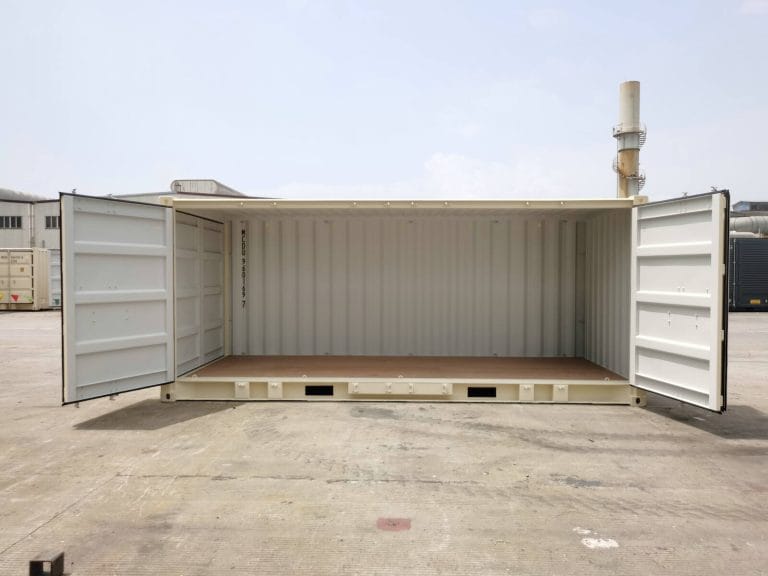
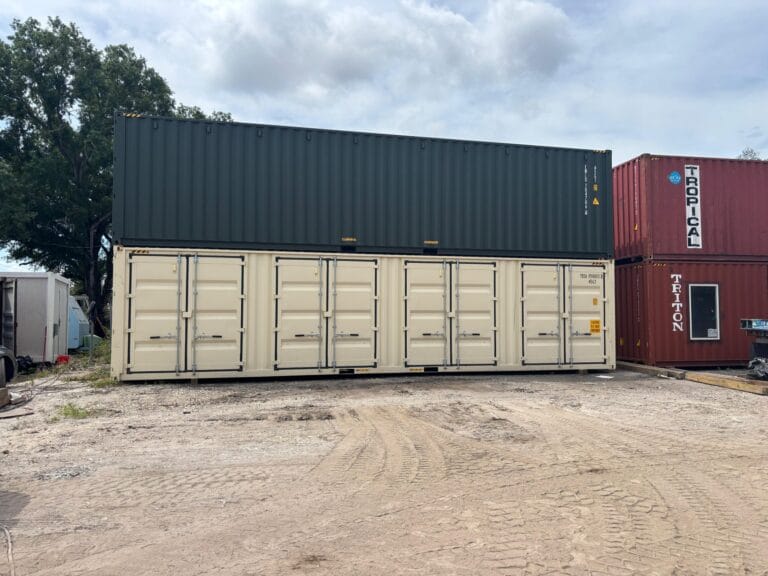
This 20ft full side-access container features bi-fold side doors and end cargo doors, providing unrestricted access for rapid forklift loading and oversized cargo handling.
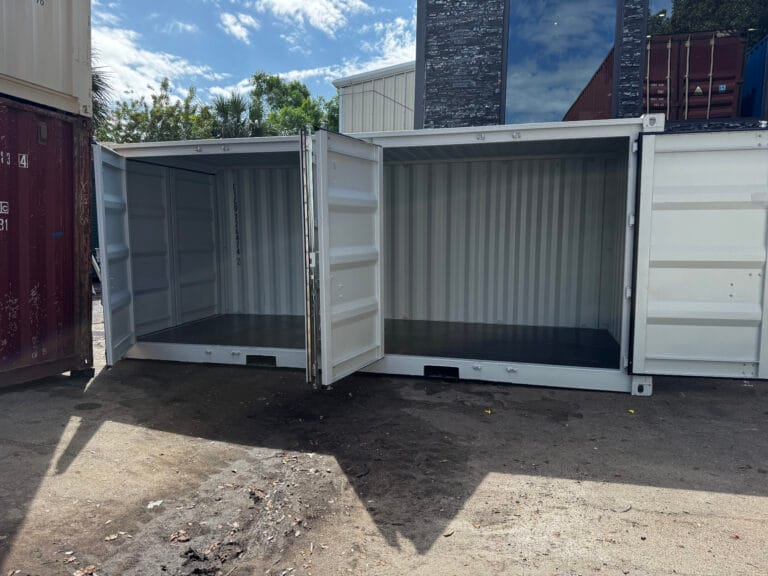
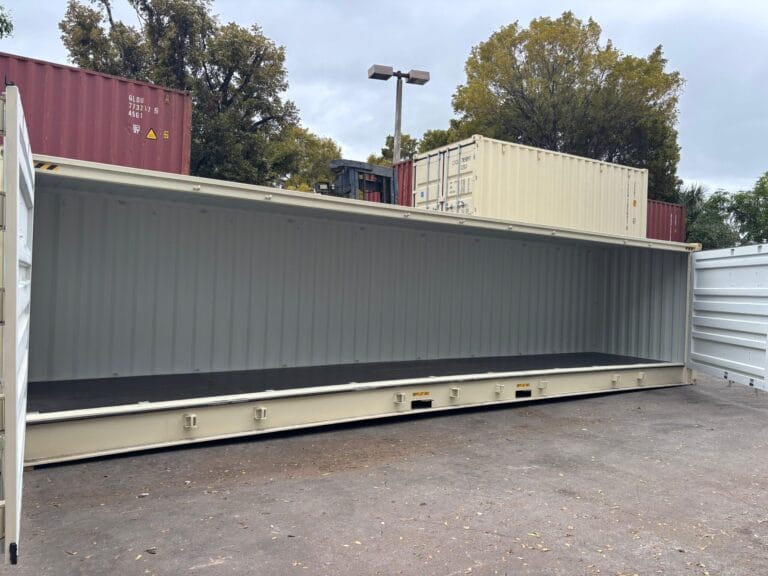
CMG coordinates storage container rental in Massachusetts from the Francis Ave, Mansfield, MA. A 20ft standard unit starts at $100 per month and a 40ft standard unit starts at $175 per month.
Rentals are month to month with no minimum term, which fits renovations, construction phases, seasonal stock, and ongoing operations. CMG confirms delivery, pickup, access, and placement conditions before the order is finalized. Review the main container rental hub for current inventory and rates.
Published starting rate for a 20ft standard container. A 40ft standard unit starts at $175 per month.
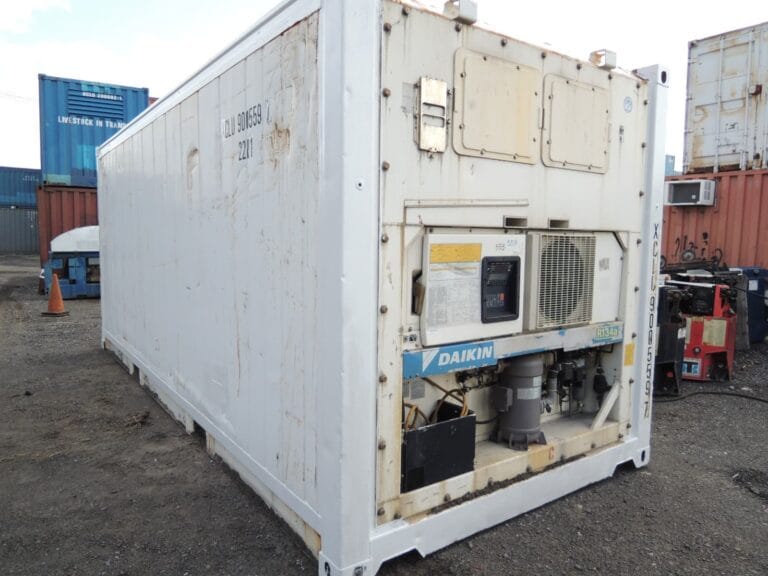
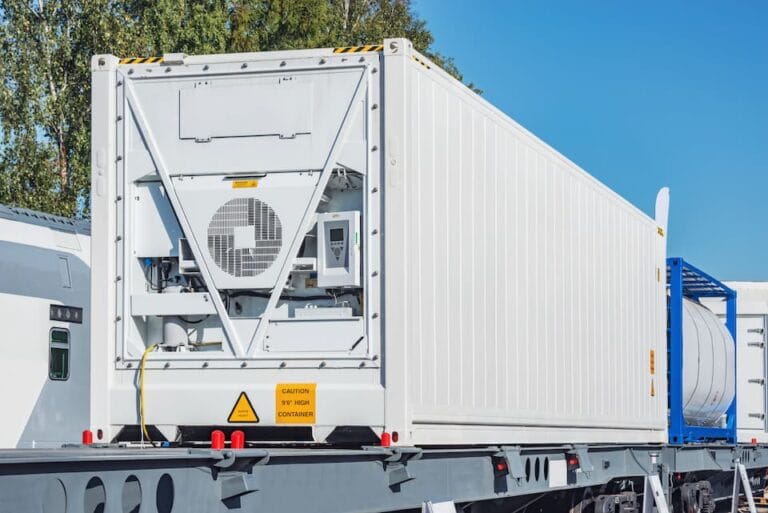
Standard, double door, open side, open top, flat rack, refrigerated, and office units from one yard.
Typical delivery window across most Massachusetts service areas once the rental order is confirmed.

Massachusetts has 351 cities and towns, and local approvals are handled at the municipal level. CMG reviews delivery from Mansfield address by address. Western Massachusetts, Cape Cod, and island destinations require advance confirmation.
Worcester is a priority area for construction storage, institutional projects, manufacturing, life sciences, retail, and commercial overflow. Shrewsbury, Auburn, Clinton, and Marlborough customers should confirm the parcel, duration, and use before delivery. Worcester County government was abolished in 1998, so permit questions go to the city or town.
Boston, Cambridge, Quincy, Brockton, and nearby communities combine dense streets with active construction and commercial demand. Brockton also regulates temporary storage containers by permit and duration.
MetroWest and Merrimack Valley projects include renovations, distribution, manufacturing, retail, and construction. Marlborough, Lowell, Fitchburg, and nearby towns can apply different time and placement limits. Fitchburg distinguishes residential, construction, and shipping or receiving uses.
Beverly and other North Shore communities may use short permit periods. Western Massachusetts requires an address-specific delivery review. Cape Cod sites can involve narrow roads, seasonal traffic, historic districts, wetlands, or regional controls.
Certain residential accessory structures of 200 square feet or less may be exempt from a building permit. The commercial threshold is 120 square feet. A 20ft container is about 160 square feet, and a 40ft unit is about 320.
Those dimensions do not automatically decide whether a container is exempt. The local building official determines its classification. Zoning, setbacks, screening, fire access, utilities, historic rules, conservation review, and private restrictions can still apply. State temporary structure permits can run up to 180 days, with an extension for cause.
The Massachusetts Wetlands Protection Act and 310 CMR 10.00 regulate work in wetlands and nearby resource areas. A portable container is not automatically a wetlands permit project. Grading, vegetation removal, fill, drainage changes, access work, foundations, or placement within a regulated area can trigger review.
Coastal properties may fall within Chapter 91 jurisdiction over filled tidelands. In some locations, it extends inland to the first public way or 250 feet from mean high water, whichever is farther. It does not make every container an automatic license project. Ask the municipality and Massachusetts Department of Environmental Protection whether the site or work requires review.
In a Chapter 40C local historic district, exterior changes visible from a public way may require a commission certificate. A municipality may exempt temporary structures or set local conditions. On Cape Cod, a property may also fall within a Cape Cod Commission District of Critical Planning Concern. Municipal implementing regulations control the review.
Winter conditions change sharply by location. Published ground-snow-load values range from about 25 pounds per square foot on Nantucket and 30 in Barnstable to 40 in Boston, Cambridge, and Quincy; 50 in Worcester, Clinton, Marlborough, and Lowell; and 60 in Fitchburg.
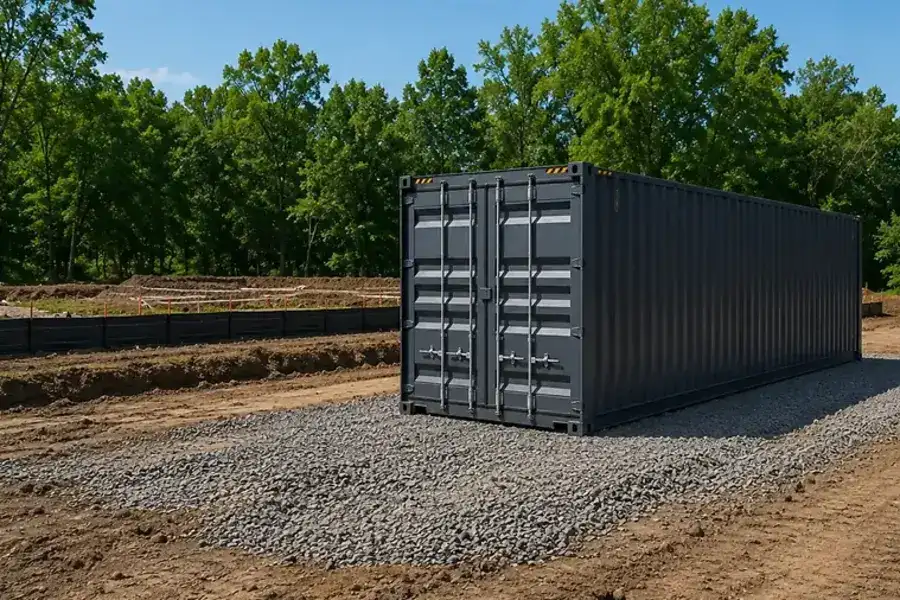
Prepare a firm, level, drained pad. Crushed stone or another suitable surface can reduce settlement and keep doors aligned. Frost heave can affect support points. Massachusetts uses a 48-inch frost depth for many code applications, but not every temporary container needs footings. The local official and designer decide.
| Factor | Rent | Buy |
|---|---|---|
| Initial commitment | Lower starting cost | Higher upfront purchase cost |
| Timeframe | Short, seasonal, phased, or uncertain | Long-term or recurring use |
| Flexibility | Return the unit after the project | Keep, move, modify, or resell the unit |
| Modifications | Limited and subject to approval | Greater control, subject to code and zoning |
| Best fit | Construction, renovation, overflow, moves, and temporary storage | Permanent operations, repeated use, and custom projects |
Renting usually fits a defined project or changing schedule. Buying can make sense when the container will remain in service for years, move among company properties, or need permanent modifications. The same municipal and environmental questions can apply to either choice. Compare the rental term, delivered cost, expected years of use, maintenance, and pickup needs. CMG also offers shipping containers for sale in Massachusetts.
Multi-state contractors can also compare CMG’s rental information for New York, New Jersey, Florida, and Texas. Each location requires a separate address and delivery review.
CMG’s published starting rates are $100 per month for a standard 20ft container and $175 per month for a standard 40ft container. Specialty units start at higher rates. Delivery, pickup, equipment, distance, access, taxes, and site conditions affect the total. Request a quote for the exact address.
Possibly. Permit requirements depend on the municipality, property, use, dimensions, placement, and duration. The residential code has a 200-square-foot exemption for certain detached accessory structures, while the commercial threshold is 120 square feet. Those rules do not automatically classify a container. Ask the local building official and zoning office before delivery.
The rental can continue month to month, but local placement limits may be shorter. Massachusetts temporary structure permits can run up to 180 days, with an extension for cause, while some municipal rules allow only 30, 45, 90, or 180 days for particular uses. Confirm the current local limit and any renewal process.
Do not schedule placement until the local Conservation Commission has reviewed the location. Work within 100 feet of a protected resource area can require review, and local bylaws may be stricter. The container, truck route, grading, supports, and drainage changes all matter.
CMG can quote delivery to Worcester from the Mansfield yard. Send the street address, container size, intended use, rental period, and site-access details. The team will confirm inventory, route, placement requirements, equipment, timing, and price. Worcester permit questions should go to Inspectional Services.
CMG reviews road access, plowing, pad condition, truck clearance, weather, and unloading space before scheduling. The customer should provide a firm, level, drained placement area and clear snow and ice from the route. Severe weather, frozen obstacles, or spring thaw can change the delivery window.
Provide level, stable, well-drained ground and enough room for the delivery truck to enter, turn, unload, and exit. Check fences, gates, parked vehicles, slopes, soft shoulders, trees, and overhead wires. Mark septic systems and buried hazards. Share photos and dimensions before delivery if access is tight.
CMG reviews Massachusetts deliveries from Mansfield, but service is confirmed address by address. Distance, ferry access, seasonal traffic, inventory, road restrictions, equipment, weather, and site conditions can affect availability. Western Massachusetts, Cape Cod, Martha’s Vineyard, and Nantucket require advance confirmation rather than an assumed statewide schedule.
Start with the project address, preferred container size, expected rental period, intended use, and site photos. CMG will confirm availability at the Mansfield yard, delivery range, truck access, placement needs, schedule, and total price. Standard rentals begin at $100 per month for a 20ft unit and $175 per month for a 40ft unit, with month-to-month terms and no minimum rental period.