
CMG’s broader storage container rental inventory includes standard and specialty options for residential, construction, and commercial use.
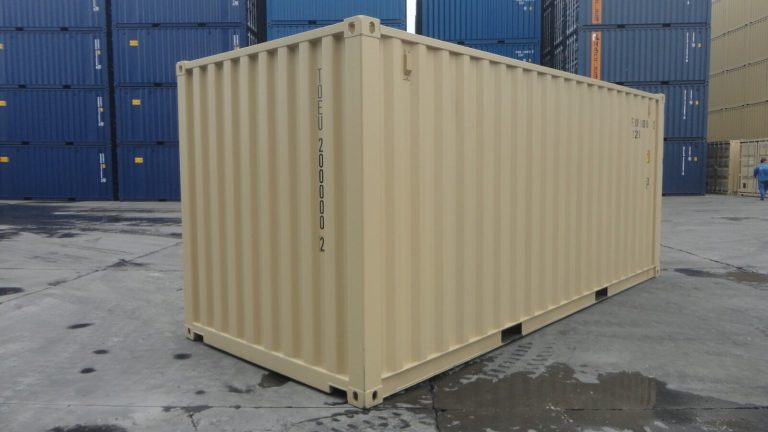
Our 20ft shipping containers for rent are perfect for various needs, from creating office spaces to securing your goods for transport.
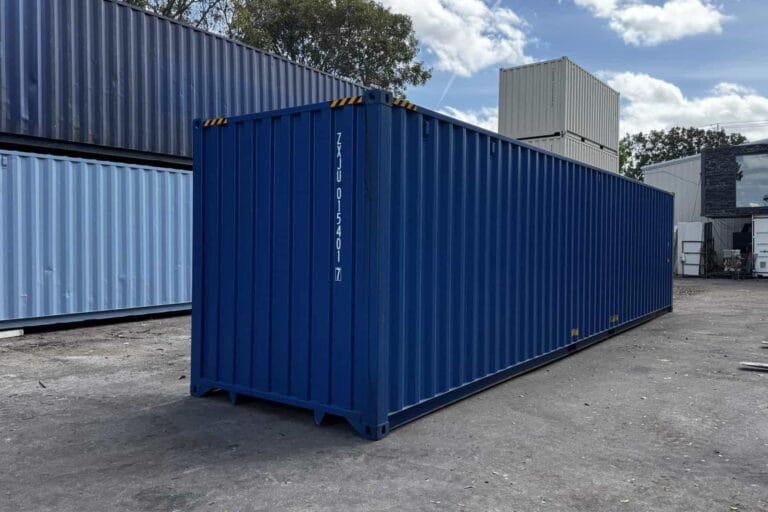
Explore durable and versatile 40ft shipping containers for rent, designed to meet all your storage and transportation needs.
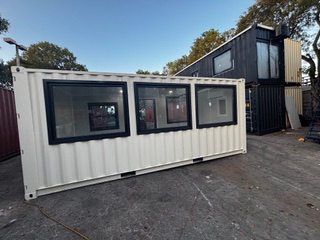
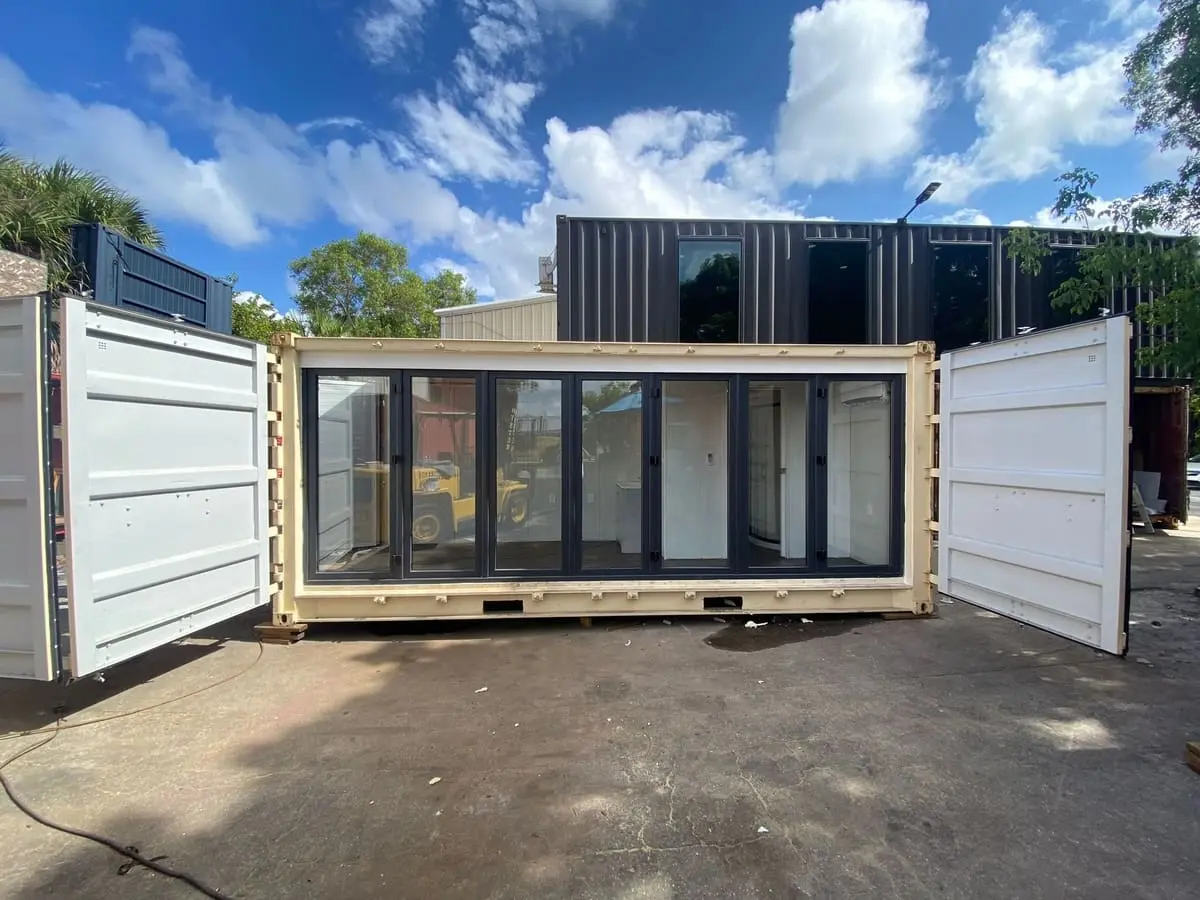
Choose our mobile office containers if you have no place to work and spending months on a construction site is unbearable.
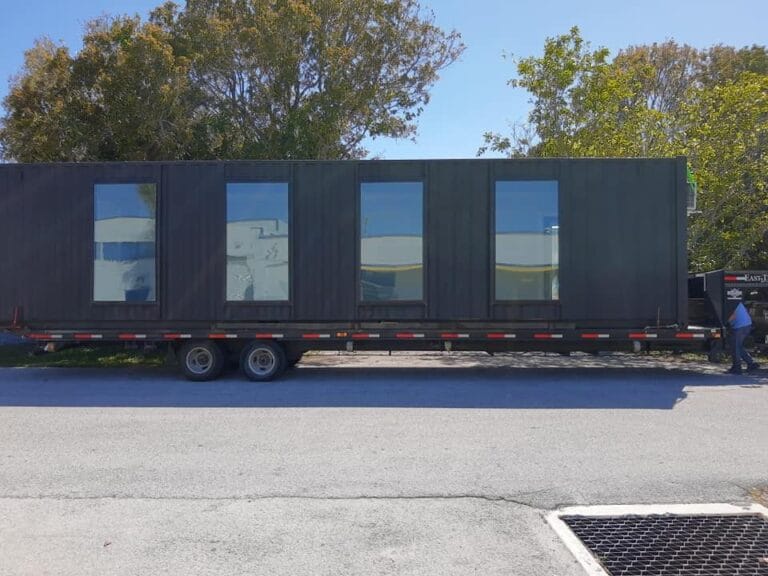
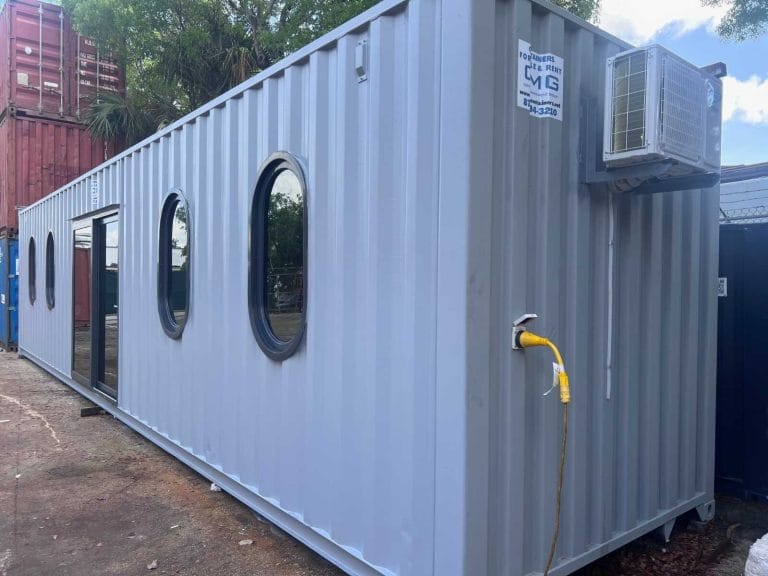
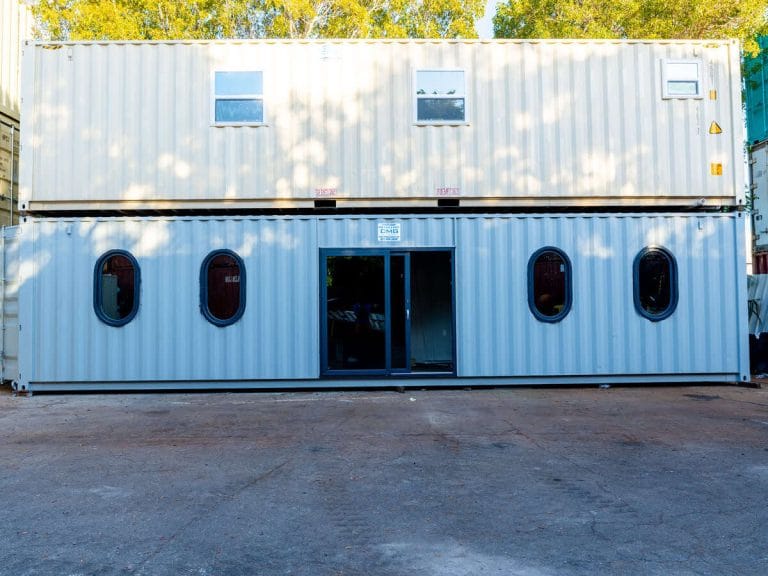
Discover our top-quality 40ft office and storage containers for rent, designed to meet your shipping and storage needs.
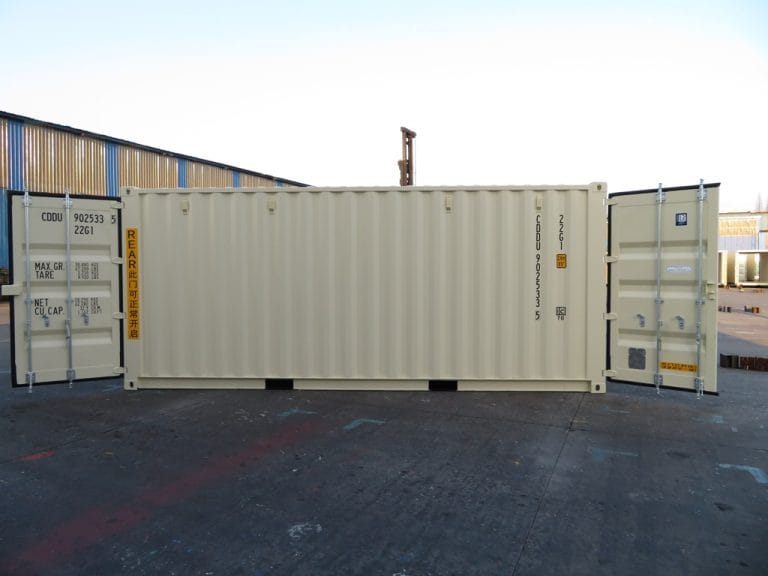
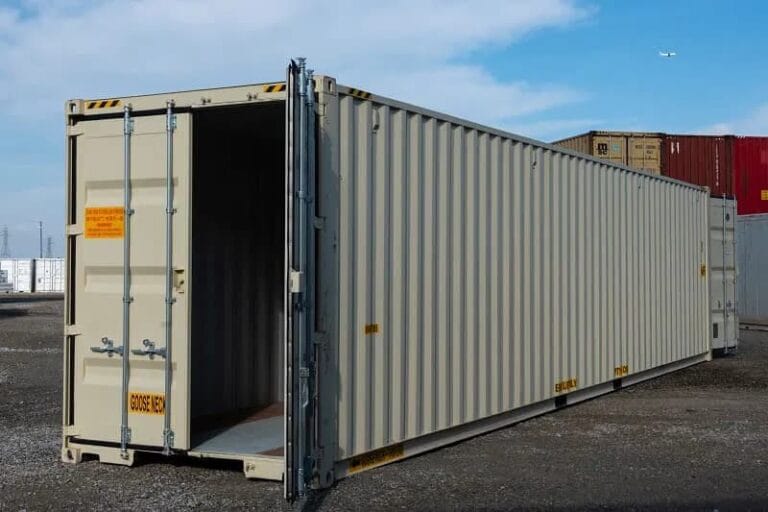
Featuring standard cargo doors at both ends and an extra foot of vertical clearance, this 40ft high cube container provides efficient dual-access loading.
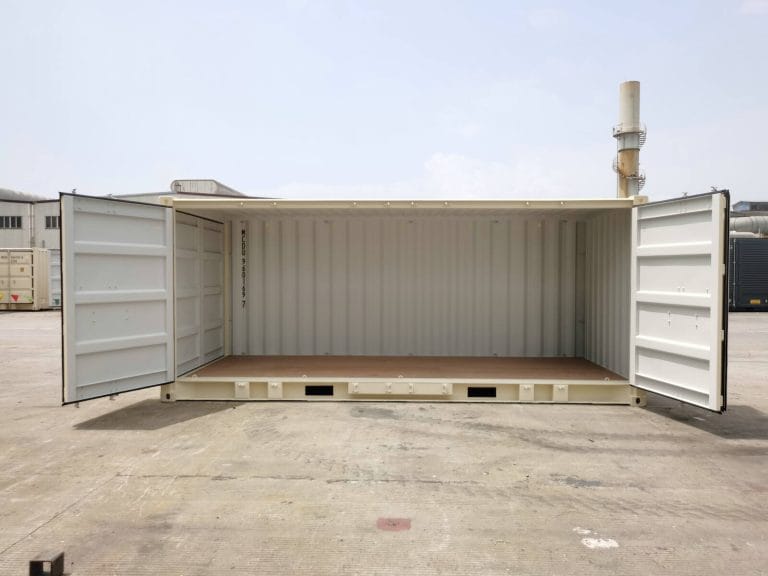
This 20ft full side-access container features bi-fold side doors and end cargo doors, providing unrestricted access for rapid forklift loading and oversized cargo handling.
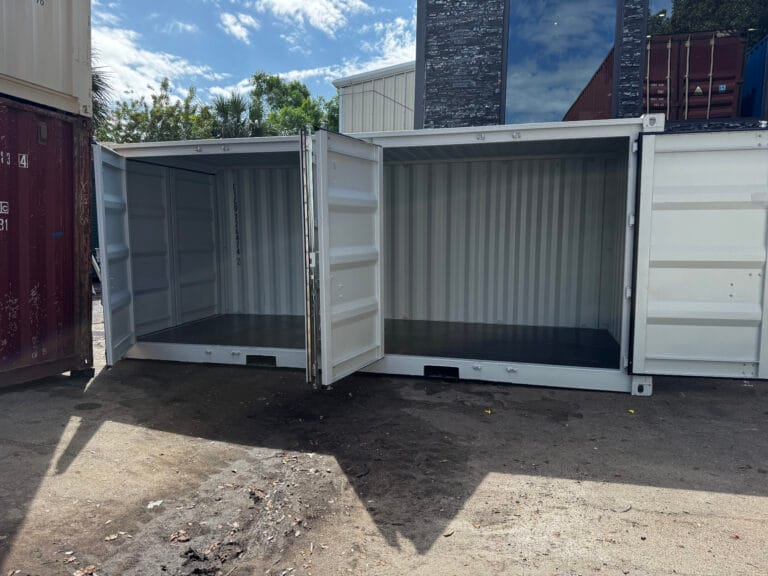
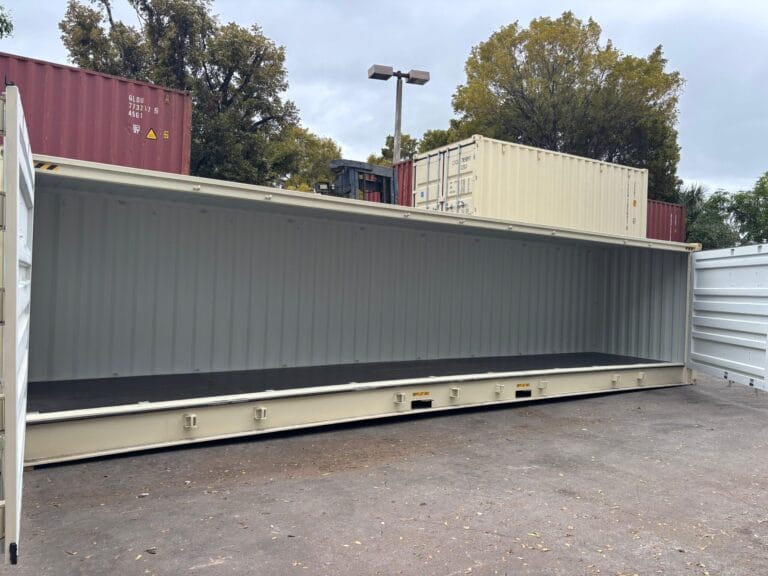
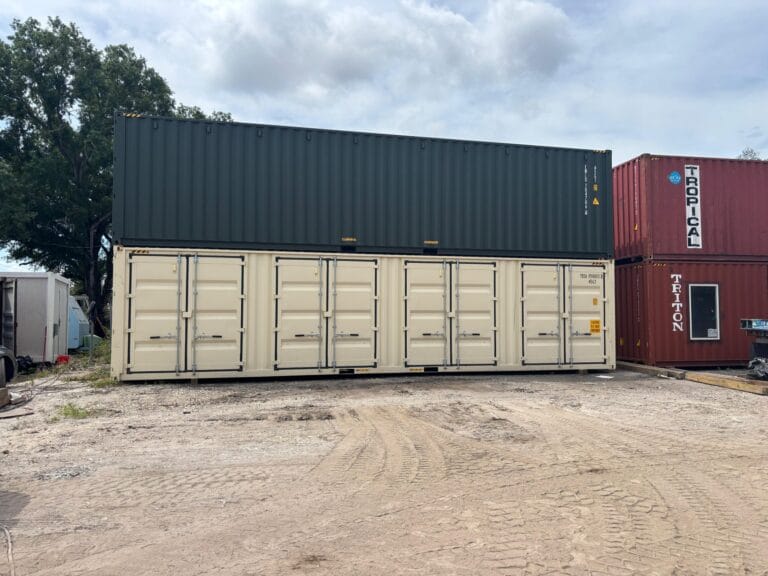
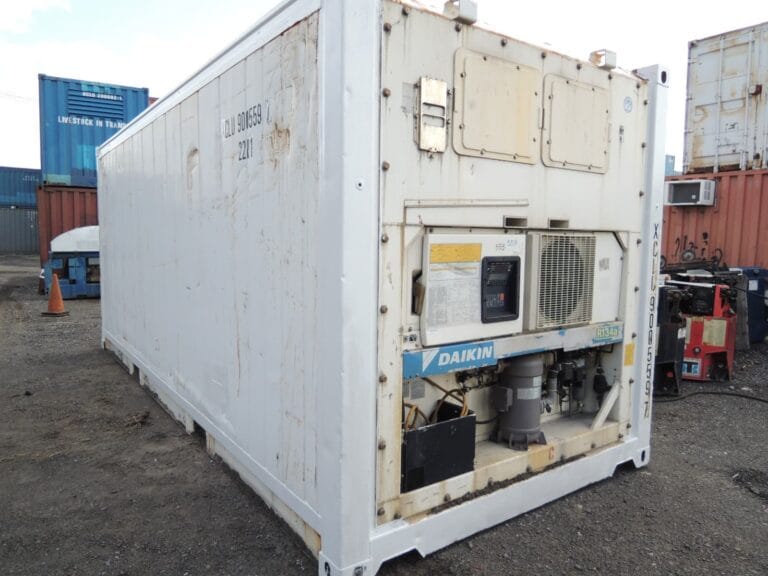
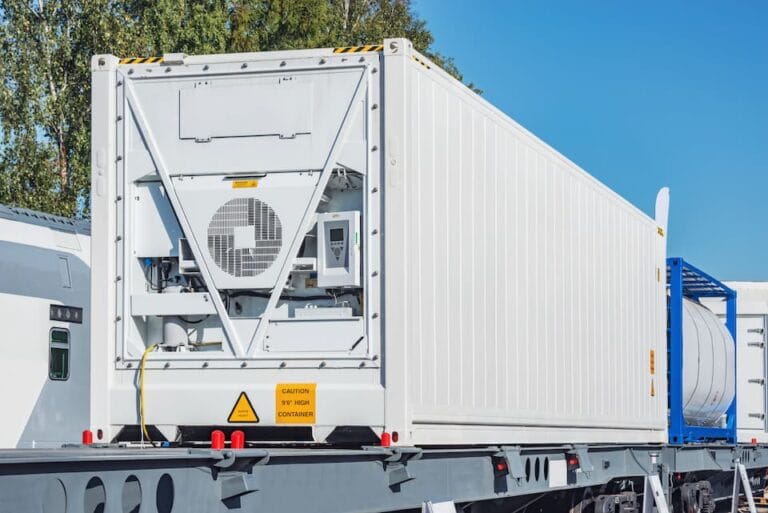
CMG coordinates storage container rental in New Jersey from the Hillside yard in Union County, at 470 Hillside Ave, Hillside, NJ 07205. A 20ft standard unit starts at $100 per month and a 40ft standard unit starts at $175 per month.
Rentals are month to month with no minimum term, which fits renovations, construction phases, seasonal stock, and ongoing operations. CMG confirms delivery, pickup, access, and placement conditions before the order is finalized. Review the main container rental hub for current inventory and rates.
Published starting rate for a 20ft standard container. A 40ft standard unit starts at $175 per month.
Standard, double door, open side, open top, flat rack, refrigerated, and office units from one yard.
Typical delivery window across most New Jersey service areas once the rental order is confirmed.

CMG quotes delivery across all 21 New Jersey counties. Distance, access, and equipment affect the delivered price.
The Hillside yard supports Union, Essex, Hudson, Passaic, and Bergen counties. North Jersey demand includes construction storage, retail overflow, port work, and dense urban delivery. The Port of New York and New Jersey handled 8,897,531 TEUs in 2025. Newark also regulates shipping containers by name and restricts them in multiple zoning districts.
Middlesex, Mercer, and Somerset counties support major warehousing, distribution, life-science, university, and construction activity. A storage container rental in Central Jersey can add secure capacity beside a warehouse, renovation, campus project, or commercial site. Delivery planning should account for truck turning room, overhead wires, setbacks, and the local time limit.
CMG serves Camden, Burlington, Gloucester, Cumberland, Salem, and surrounding counties for construction, agriculture, distribution, and seasonal inventory. Parts of South Jersey fall within the Pinelands or the CAFRA coastal area, so the parcel should be checked before a delivery date is set.
Ocean, Monmouth, Atlantic, and Cape May counties combine seasonal business, storm recovery, renovation, and construction demand. Shore ordinances can change from one town to the next. North Wildwood requires a zoning permit, limits containers to 30ft, and does not issue container permits in July or August unless the Zoning Officer grants a case-specific exception. Nearby Middle Township has no comparable seasonal ban.
CMG publishes the following starting monthly rates. Delivery and pickup depend on the address, equipment, access, and placement conditions.
| Container | Starting Monthly Rate | Best For |
|---|---|---|
| 20ft standard storage | $100 | Tools, renovations, records, and compact sites |
| 40ft standard storage | $175 | Commercial inventory and larger equipment loads |
| 20ft double-door | $200 | Separated loading zones and frequent access |
| 40ft double-door high cube | $350 | High-volume commercial storage |
| 20ft fully open side | $400 | Bulky goods and side loading |
| 20ft mobile office | $500 | Construction supervision and field administration |
| 20ft refrigerated container | $1,500 | Temperature-controlled goods |
Container type, condition, rental length, distance, site readiness, and specialty equipment change the total. Published figures are starting rates, not delivered prices.
CMG offers short-term storage container rental in NJ without a three-month minimum. Customers can rent month to month and end the rental when the project is complete, subject to the rental agreement and the scheduled pickup.
This structure fits home renovations, moves between houses, seasonal Jersey Shore storage, emergency response, retail inventory, and short construction phases. A municipal ordinance may still limit how long the container can remain on the property.
New Jersey uses the statewide Uniform Construction Code, N.J.A.C. 5:23, which local officials enforce.
| Municipality | Permit + Duration | Size + Quantity | Notes |
|---|---|---|---|
| Newark | Zoning and licensing rules may apply; storage classification begins after 30 days | District-specific; confirm quantity locally | Containers are prohibited in several residential, commercial, mixed-use, institutional, and redevelopment zones |
| North Wildwood | $40 zoning permit; 60 days; up to twice yearly | 10ft H x 10ft W x 30ft L; one container | No permits issued in July or August unless a case-specific exception is granted |
| Howell Township | Land-use permit; 60 days; up to twice yearly | Residential cap: 10ft H x 10ft W x 20ft L; two containers | Paved off-street placement; written disaster extensions may be available |
| Morris Township | $20 zoning permit; 30 days for moving; construction removal within 30 days of completion | 20ft L x 8ft W x 8ft H; one residential container | Permit must be displayed; condition standards apply |
| Middle Township | $40 zoning permit; 60 days; up to twice yearly | 10ft H x 10ft W x 30ft L; one container | Written disaster extensions may be available; no published summer ban |
N.J.A.C. 5:23-2.14(b)8 exempts certain residential garden-type utility sheds and similar structures from a construction permit when they are 200 square feet or less, 10ft or less in height, and have no water, gas, oil, or sewer connection. A standard 20ft container fits the dimensional limits, while a 40ft unit does not.
However, the state has not issued a container-specific ruling that automatically classifies a shipping container as a similar structure. The local construction official must decide. The exemption also concerns the construction permit only; it does not cancel zoning, duration, setback, placement, or private-property restrictions.
New Jersey’s coastal and flood programs regulate the site and the proposed activity. They do not state that every portable storage container automatically requires a state environmental permit. Start by identifying the municipality, flood zone, coastal boundary, intended duration, and whether the setup involves grading, utilities, foundations, or other regulated work.
In regulated flood-hazard areas, N.J.A.C. 7:13 requires a permit or qualifying coastal approval for regulated activities. NJDEP’s Resilient Environments and Landscapes rules took effect on January 20, 2026. They introduced a Climate Adjusted Flood Elevation for tidal areas and an Inundation Risk Zone based on projected future flooding. NJDEP has also pursued an extension of the rules’ legacy provisions, so applicants should check the current rule version directly with the agency.
Flotation is the practical container issue. Cape May’s flood rules require covered accessory structures to resist flotation, collapse, and lateral movement from flood loads. An empty or lightly loaded steel container can move during surge conditions. Confirm placement with the municipal office and contact NJDEP when the parcel lies in a regulated coastal or flood area.
Development applications in the Pinelands Area may need review under the Comprehensive Management Plan, N.J.A.C. 7:50. A portable container is not named as an automatic trigger. The municipal office and Pinelands Commission should determine how the proposed site and use are classified.
The Highlands Act defines major Highlands development broadly for non-residential work in the Preservation Area, without a minimum acreage threshold. A commercial placement there should be checked before the delivery date is set. These programs regulate land and development, not containers as a product category. Confirm the parcel with the municipality and the relevant state or regional agency.
There is no statewide winter ban on container delivery, but snow, freeze-thaw cycles, soft ground, and blocked access can affect placement.
CMG’s shipping container delivery guide explains the access questions to review.
Renting usually fits a defined or changing schedule. Buying may be more economical when the unit will remain in service for years or requires permanent modification. Compare rental options with shipping containers for sale in New Jersey before deciding.
| Factor | Rent | Buy |
|---|---|---|
| Upfront cost | Lower starting commitment | Higher initial purchase cost |
| Project length | Short-term, seasonal, or uncertain | Long-term or recurring use |
| Flexibility | Return the unit when the project ends | Keep, move, modify, or resell the unit |
| Maintenance | Responsibilities follow the rental agreement | Owner controls maintenance and repairs |
| Modifications | Limited and subject to approval | Greater control over permanent changes |
| Best fit | Renovations, construction phases, overflow, recovery | Permanent operations and customized projects |
New Jersey rewards planning. Because every parcel sits inside one of 564 municipalities, the container itself is rarely the constraint. The town, the zone, the duration, and the delivery path are. The list below collects the checks that most often decide whether a rental goes smoothly in NJ.
Ordinances differ sharply between neighbouring towns. North Wildwood limits containers to 30ft and issues no container permits in July or August without a case-specific exception, while nearby Middle Township publishes no comparable summer ban. Morris Township works on a 30-day window for moving containers and requires the permit to be displayed. Call the zoning office with the exact address, size, and intended duration.
N.J.A.C. 5:23-2.14(b)8 exempts certain residential garden-type utility sheds and similar structures at 200 square feet or less and 10ft or less in height. A 20ft standard container sits inside those dimensional limits; a 40ft unit does not. The state has issued no container-specific ruling, so the local construction official makes the call.
N.J.A.C. 7:13 requires a permit or qualifying coastal approval for regulated activities in flood-hazard areas, and NJDEP’s Resilient Environments and Landscapes rules took effect on January 20, 2026 with a Climate Adjusted Flood Elevation and an Inundation Risk Zone. Flotation is the practical risk: an empty steel container can move in surge conditions.
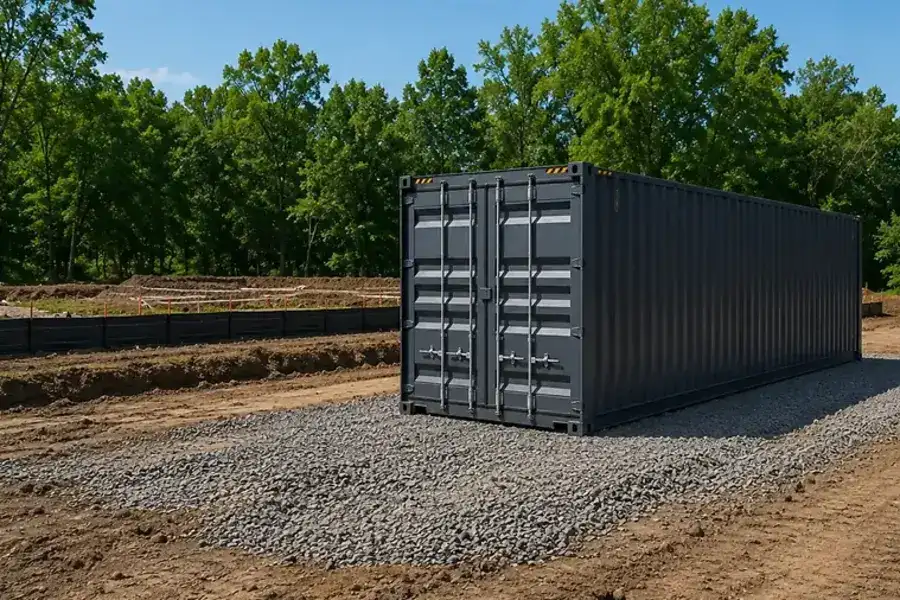
Firm, level, well-drained ground keeps the frame square and the doors working. Gravel helps. Measure the straight-line space the truck needs, check overhead wires and soft shoulders, and clear snow away from the placement area in winter.
Renting keeps the commitment low and the exit simple, which suits renovations, construction phases, overflow, and storm recovery. Buying makes sense when the unit stays in service for years or needs permanent modification.
Shore towns tighten placement rules in summer, construction peaks in spring and autumn, and retail overflow builds toward the fourth quarter. Booking earlier in the season protects both availability and the delivery window.
CMG’s starting rates are $100 per month for a 20ft standard container and $175 for a 40ft standard container. Specialty units cost more.
Possibly. A standard 20ft container may bypass state construction permits, but NJ does not automatically exempt shipping containers. Regardless of construction rules, town zoning laws still apply to regulate placement, setbacks, and time limits. Check with your local zoning and construction officials first.
The limit is municipal. Sixty days is common in the ordinances reviewed for this page, often with no more than two placements per year. Newark and Morris Township use 30-day thresholds for certain uses. Construction-related containers may follow a project schedule. Confirm the town’s current rule before delivery.
CMG offers month-to-month rentals with no minimum term or long-term commitment. You can end the rental when the project is complete, subject to the agreement and pickup schedule. A local ordinance may impose a shorter placement limit than the rental term, so check both.
Possibly, but the parcel and setup must be checked. Local zoning, CAFRA, flood-hazard rules, the REAL standards, and private insurance requirements may affect the site. These programs do not declare every container an automatic state-permit project. Ask the municipality and NJDEP which requirements apply.
Provide firm, level, well-drained ground and enough access for the delivery truck. Check narrow streets, parked vehicles, fences, overhead wires, soft shoulders, and turning room. Snow and thawing ground can change bearing conditions. CMG will review the container size, unloading method, and placement path before delivery.
Delivery is available within 48 to 72 hours in most service areas after the rental order is confirmed. Inventory, specialty equipment, traffic, weather, site readiness, and the destination can extend the schedule.
Yes. CMG quotes statewide delivery from the Hillside yard, including North Jersey, Central Jersey, South Jersey, and the Jersey Shore. Delivery and pickup are priced by distance, equipment, access, and placement conditions. Remote or difficult sites may require additional planning.
Tell us the address, the size, and the dates. CMG confirms access, placement, and the delivered price before anything is scheduled.