
Temperature control is not a luxury in logistics—it’s a requirement. Certain products simply cannot tolerate exposure to fluctuating conditions. Whether you’re storing pharmaceuticals, transporting perishable food, or protecting specialty materials, the wrong environment can mean immediate loss. This is where refrigerated shipping containers become essential rather than optional.
Also known as reefer containers or cold storage containers, these units are engineered to maintain precise internal temperatures regardless of outside conditions. Unlike standard containers, which only protect from weather and theft, refrigerated units actively regulate climate. Understanding when to choose them can prevent product damage, regulatory issues, and costly operational setbacks.
In this guide, we’ll explore when refrigerated shipping containers are the right solution, how they work, and what to consider before buying or renting.
What Are Refrigerated Shipping Containers?
Before deciding whether you need one, it’s important to understand what sets refrigerated containers apart from standard units. These containers are not simply insulated boxes—they are active temperature-controlled systems.
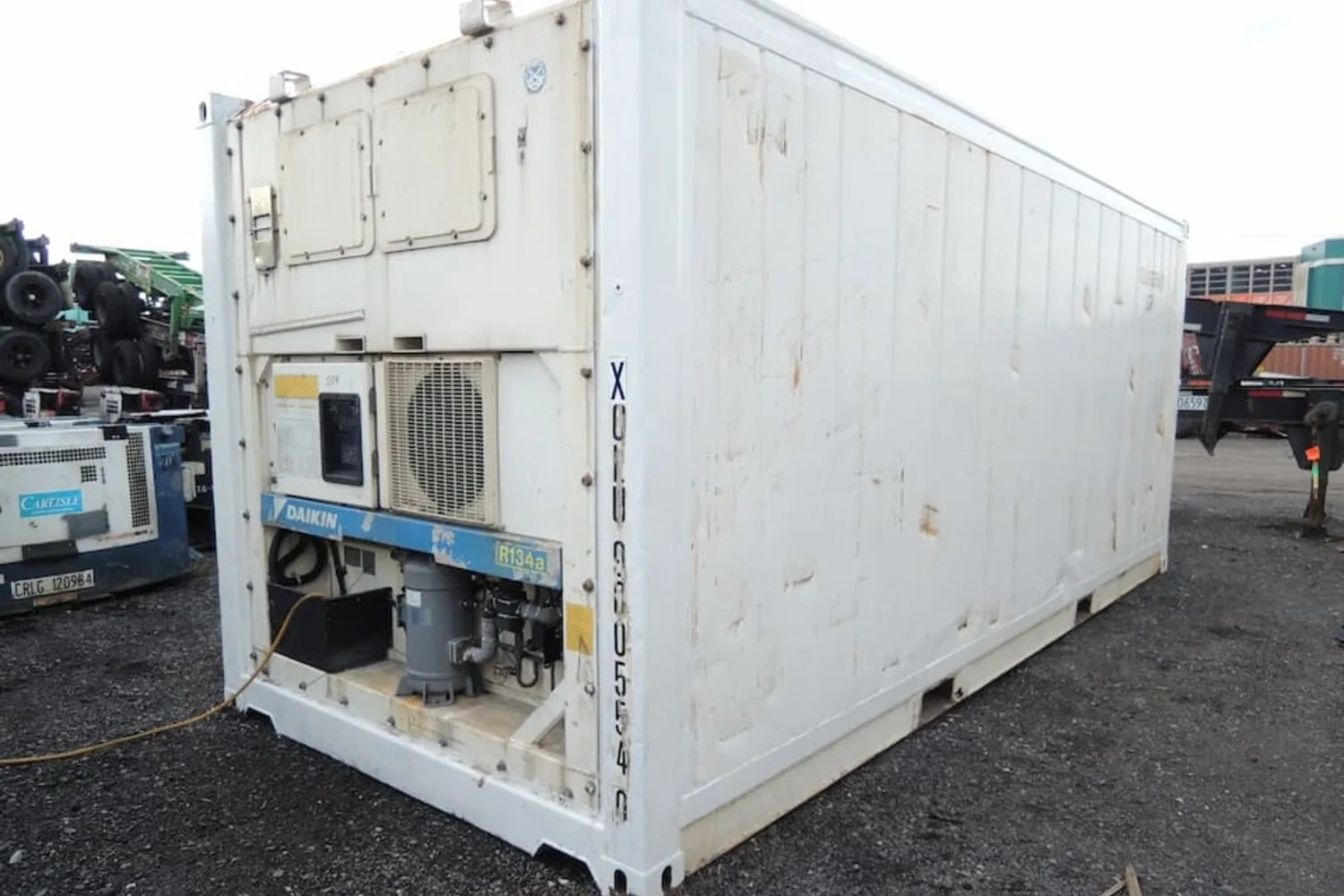
Refrigerated shipping containers are equipped with integrated cooling units that maintain a consistent internal temperature. Depending on the model, they can typically maintain temperatures ranging from deep freezing to moderate refrigeration.
Core Features of Reefer Containers
- Built-in refrigeration system
- Digital temperature controls
- Insulated interior walls
- Air circulation system to ensure even cooling
- Weatherproof steel exterior
These systems plug into external power sources and operate continuously to maintain set conditions. The combination of insulation and active cooling ensures temperature stability even in extreme climates.
Why Temperature Control Matters in Storage and Transport
Temperature-sensitive goods do not just “prefer” certain conditions—they require them. Even brief exposure to improper temperatures can degrade quality, shorten shelf life, or render products unusable.
Choosing refrigerated shipping containers becomes necessary when environmental control directly impacts product integrity.
Risks of Inadequate Temperature Control
- Spoilage of perishable goods
- Chemical degradation of pharmaceuticals
- Loss of potency in medical supplies
- Structural damage to sensitive materials
- Regulatory non-compliance
In many industries, failure to maintain correct temperatures can lead to legal consequences and reputational damage in addition to financial loss.
When to Choose Refrigerated Shipping Containers
Not every product requires active cooling, but certain conditions make reefer containers the clear choice. Recognizing these scenarios helps prevent costly mistakes.
1. Transporting Perishable Food Products
Food safety regulations require strict temperature control during both storage and transport. Fresh produce, meat, dairy, seafood, and frozen goods must remain within precise ranges to prevent bacterial growth.
Refrigerated shipping containers maintain consistent temperatures during long-distance transport, ensuring that products arrive in safe condition.
2. Storing Pharmaceuticals and Medical Supplies
Many medications, vaccines, and biologics require tightly controlled storage environments. Even minor temperature deviations can compromise effectiveness.
Cold storage containers provide stable environments that meet compliance standards for healthcare and pharmaceutical distribution.
3. Temporary On-Site Cold Storage
Events, construction sites, and remote facilities often need temporary refrigeration solutions. Reefer containers offer mobile, scalable cold storage without requiring permanent infrastructure.
4. Seasonal Inventory Management
Businesses handling seasonal goods—such as beverages, frozen foods, or specialty ingredients—may require additional refrigerated capacity during peak periods.
5. Extreme Climate Conditions
In regions with high heat or significant temperature swings, standard containers cannot provide adequate protection. Refrigerated units maintain stability even in harsh weather.
How Reefer Containers Maintain Temperature Stability
Understanding how refrigerated shipping containers function clarifies why they are reliable.
Reefer containers combine insulation with an active cooling system. The refrigeration unit continuously monitors internal temperature and adjusts output as needed.
Key Components That Ensure Stability
- Compressor system to regulate cooling
- Evaporator and condenser units
- Digital control panels for precise settings
- Air circulation system to distribute cold air evenly
The air circulation feature is particularly important. Without it, temperature pockets could form inside the container, compromising sensitive cargo. Even distribution ensures consistent conditions throughout.
Refrigerated Containers vs Insulated Containers
Some businesses mistakenly believe insulated containers are enough. However, insulation alone does not actively cool contents—it only slows temperature change.
Insulated Containers
- Passive temperature resistance
- No active cooling
- Suitable for short-duration protection
Refrigerated Shipping Containers
- Active climate control
- Precise temperature adjustment
- Suitable for long-distance transport and extended storage
When cargo must remain within strict ranges for extended periods, reefer containers are the safer choice.
Industries That Rely on Cold Storage Containers
Refrigerated shipping containers serve a wide range of industries that depend on environmental control.
Food and Beverage Industry
From farm to distribution center, maintaining cold chain integrity is critical. Reefer containers ensure compliance with food safety standards.
Pharmaceutical and Healthcare
Cold storage containers are essential for vaccines, blood supplies, and specialty medications.
Agriculture and Fisheries
Fresh harvests and seafood require immediate cooling to preserve freshness and extend shelf life.
Chemical and Specialty Manufacturing
Certain chemicals and materials must be kept within defined temperature thresholds to maintain stability.
Refrigerated Containers for Sale: Buying Considerations
If you’re exploring refrigerated containers for sale, several factors should guide your decision.
Purchasing is often ideal for businesses with ongoing cold storage needs or permanent operations. Ownership provides full control over availability and customization.
What to Evaluate Before Buying
- Required temperature range
- Power source compatibility
- Container size (20ft vs 40ft)
- New vs used condition
- Maintenance requirements
Long-term use typically justifies purchasing rather than renting.
Renting Reefer Containers for Flexible Needs
For temporary needs, renting refrigerated shipping containers offers flexibility without long-term investment.
When Renting Makes Sense
- Short-term projects
- Seasonal demand spikes
- Emergency cold storage needs
- Event-based refrigeration
Rental agreements allow businesses to scale operations while maintaining temperature control.
Power Supply and Operational Requirements
Refrigerated containers require a consistent power source to operate effectively. This is a critical planning factor.
Most units connect to standard industrial electrical supplies, though generators can be used in remote locations. Businesses must ensure reliable power availability to maintain temperature stability.
Additionally, routine monitoring and periodic maintenance help ensure uninterrupted operation.
Long-Term Cost Considerations
While refrigerated shipping containers are more expensive than standard containers, the cost must be weighed against the value of protected inventory.
Spoiled food, compromised pharmaceuticals, or damaged materials can result in losses far exceeding the container investment.
Where Financial Value Comes From
- Reduced product loss
- Regulatory compliance
- Extended product shelf life
- Improved supply chain reliability
For temperature-sensitive industries, reefer containers are often a risk management investment rather than a simple storage upgrade.
Transportation and Mobility
Despite their integrated cooling systems, refrigerated shipping containers are designed for transport flexibility.
They maintain ISO dimensions and can be shipped via truck, rail, or vessel. This makes them suitable for both stationary storage and active transport within supply chains.
Mobility ensures that temperature control can follow the product rather than being limited to fixed facilities.
When Temperature Cannot Be Compromised
When product integrity depends on climate control, standard containers are not enough. Refrigerated shipping containers provide active, reliable temperature regulation that protects sensitive cargo from environmental fluctuations.
Whether you are transporting food, storing pharmaceuticals, or managing seasonal cold storage needs, reefer containers offer precision, mobility, and operational security.
If temperature stability directly affects your product’s value, safety, or compliance status, choosing refrigerated shipping containers is not an upgrade—it’s a necessity.