
Shipping containers aren’t just storage boxes anymore—they’re the backbone of an industry built on innovation, flexibility, and long-term value. From mobile offices to immersive retail spaces, workshops, security hubs, workforce housing, data centers, and pop-up hospitality builds, modified containers now serve dozens of industries across the world.
But here’s the real question:
Which upgrades truly increase value—and which are just nice to have?
Investing in the right container modification features isn’t just about aesthetics or functionality. It’s about optimizing space, improving usability, extending service life, and increasing container ROI over time.
Whether you’re modifying a unit for commercial use, rental income, industrial operations, or resale value, the right upgrades can significantly boost performance and revenue potential.
Why Modification Matters: Turning Standard Containers Into High-Value Assets
A standard shipping container is durable, secure, and mobile—but without modification, its usability is limited. Once upgraded, it becomes:
- A functional workspace
- A climate-controlled storage hub
- A branded retail environment
- A mobile housing solution
- A revenue-generating asset
Modifications help:
- Increase usage lifespan
- Expand potential applications
- Improve rental and resale value
- Reduce operational cost
- Support multiple business models
With strategic planning, a modified container becomes a flexible, evolving investment—not a static structure.
Climate Control Upgrades: HVAC, Ventilation, and Insulation
Climate control is one of the highest-value upgrades—especially if the container will store equipment, support live-in use, or operate in extreme weather.
Effective solutions include:
- Spray foam insulation
- Mini-split HVAC systems
- Passive airflow vents
- Temperature and humidity regulation systems
These upgrades protect equipment, improve comfort, and enable year-round operations—immediately increasing rental and resale potential.
Electrical and Power Integration for Plug-and-Play Functionality
Adding electrical systems transforms a container from a shell into a working asset.
Common upgrades include:
- Circuit breaker panels
- Industrial outlets
- LED interior and exterior lighting
- Generator or solar compatibility
- Data and communications wiring
Containers with integrated power serve more industries—and command higher leasing rates.
Doors, Windows, and Access Features for Practical Use
Access affects usability more than almost any other modification. Popular upgrades include:
- Roll-up doors for workshops and retail units
- Personnel doors for office use
- Glass storefront fronts
- ADA-compliant access ramps
- Locking mechanisms and tamper-proof hardware
Better access means faster workflow, safer operations, and broader use categories.
Interior Finishes: Turning Metal into a Usable Facility
Interior upgrades influence both function and perception.
High-impact finish options include:
- Vinyl or epoxy flooring
- Modular cabinetry or built-ins
- Workspace stations and desks
- Drywall or insulated metal panels
- Acoustic treatments for noise control
A well-finished container transforms user experience—and improves financial performance.
Exterior Branding and Design: Making Containers Market-Ready
Containers used in public-facing applications benefit from external customization.
Value-driven upgrades include:
- Corporate branding wraps
- Architectural cladding
- Weather protection awnings
- Exterior lighting and signage
For retail or hospitality applications, branding alone can multiply ROI.
Security Enhancements for High-Value Storage and Operations
Security features increase user trust and expand eligible industries.
Common add-ons include:
- Industrial lockboxes
- Remote-access control systems
- Surveillance camera integration
- Reinforced hinges and doors
Secure containers appeal to renters needing equipment protection, inventory storage, or sensitive data environments.
Plumbing and Sanitation: Expanding Use Cases
Containers designed for longer-term occupancy or commercial use often require:
- Water supply and filtration systems
- Restroom and shower units
- Greywater or blackwater management
- Hot water systems
These upgrades unlock additional revenue—for example, from mobile housing, construction sites, or glamping rentals.
Modular Expansion Systems: Future-Proofing Your Investment
Containers can evolve through modular design.
High-ROI expansion features include:
- Pre-cut linking openings
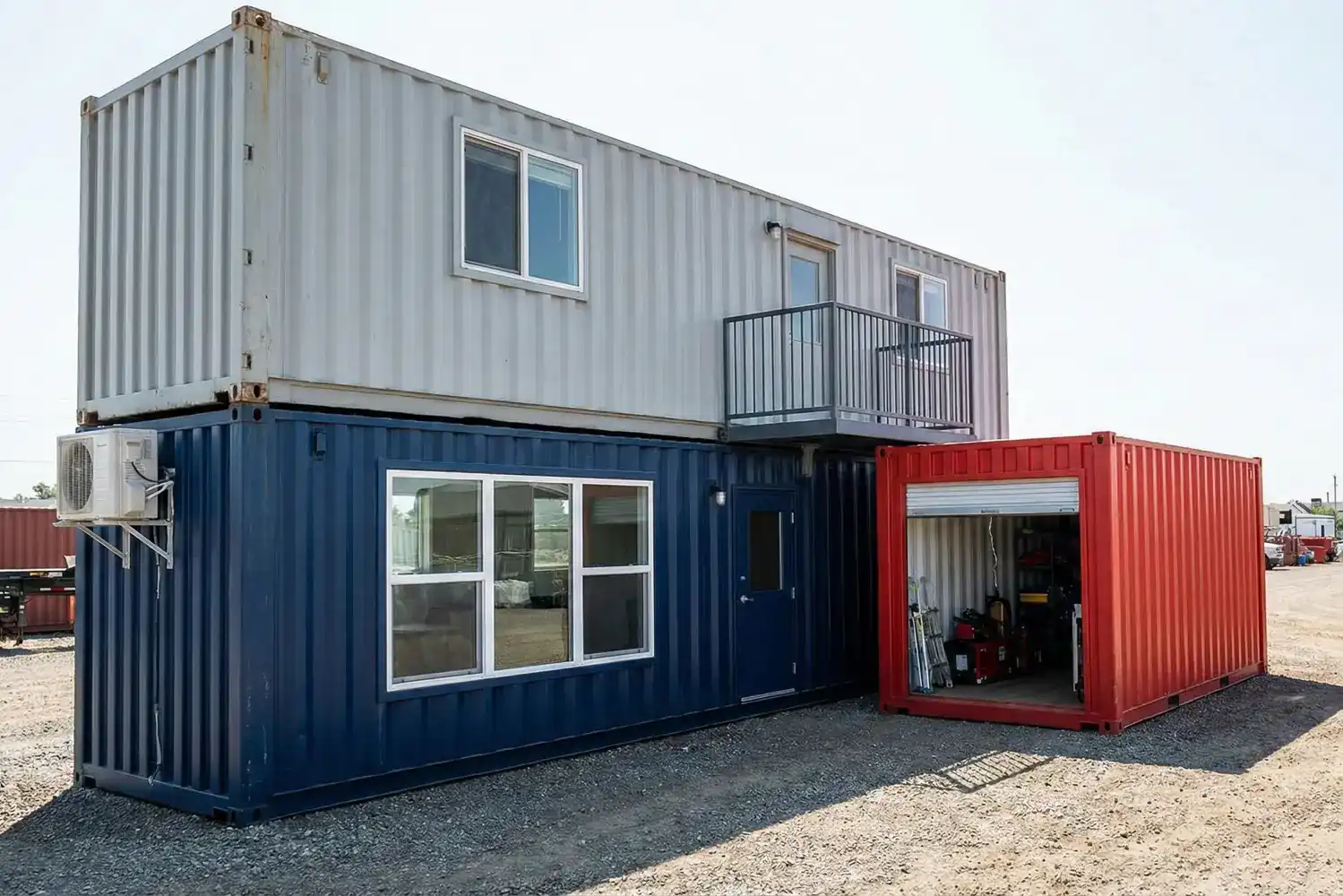
- Stairs and balconies
- Multi-unit stacking
- Fold-out modular floor systems
Expandable units generate higher long-term value because they adapt to scaling business models.
Smart Technology Integration for Modern Operations
Technology is a growing driver of ROI. Integrating smart features enables automation and remote operation.
Examples include:
- Remote climate control
- Smart locks and digital check-in systems
- IoT security sensors
- Automated lighting
Smart-enabled units appeal to corporate, hospitality, and security-sensitive sectors.
Sustainability Upgrades: Lower Cost, Higher Appeal
Many businesses and municipalities now require sustainable infrastructure.
Eco-friendly upgrades include:
- Solar power systems
- Recycled interior materials
- Low-energy lighting
- High-efficiency insulation
Sustainable design expands eligibility for grants, contracts, and government-funded projects—directly improving ROI.
Industry-Specific Conversion Strategies to Increase Demand
Different industries need different features. Tailoring a container to meet a niche market can dramatically increase value.
Examples:
- Construction sites: storage + office hybrid
- Hospitality: glamping or event units
- Education: portable classrooms
- Healthcare: mobile clinics and labs
- Retail: pop-up stores and event installations
Specialization increases demand and price point.
Routine Maintenance and Upgrade Longevity: Protecting Your Investment
ROI isn’t just about added features—it’s also about lifespan. Containers require minimal care, but planned maintenance extends financial return.
Key strategies:
- Repainting to prevent rust
- Annual weather seal inspection
- HVAC servicing
- Lock and hinge lubrication
- Flooring protection
With proper care, modified containers remain profitable for decades.
Rental Potential: Containers as a Recurring Revenue Asset
One of the strongest ROI arguments: modified containers can be rented repeatedly, creating recurring income.
Rental models include:
- Monthly industrial storage leasing
- Temporary workforce housing
- Event rentals and pop-ups
- Mobile office leasing
- Seasonal business use
A well-designed unit can produce revenue long after the initial investment is paid off.
Compliance and Certification Features for Regulatory Approval
As modified containers become more common in public-facing applications—such as retail, housing, healthcare, and workplace structures—local regulations matter more than ever. Compliance-focused upgrades ensure the container is legally deployable and rentable in multiple regions, significantly increasing long-term value.
These features may include:
- ADA-compliant entry systems (ramps, wider door frames)
- Fire-rated insulation and wall systems
- Emergency exits and safety lighting
- Permitted electrical and plumbing installations
- International Building Code (IBC) alignment
- Stamped engineering documents
Containers that meet regional or national compliance frameworks can enter government contracts, public leasing programs, and regulated work environments—markets where rental income is reliable and price points are higher.
Being “permit-ready” immediately separates a container as a premium asset rather than a simple structure.
Logistics and Transport Optimization Features for Easier Deployment
A container’s mobility is one of its greatest business advantages—so optimizing for easier transport increases both usability and rental frequency.
High-value logistics upgrades include:
Forklift pockets for safe maneuvering
- Corner castings rated for lifting and stacking
- Tie-down anchor points
- Removable components for shipping efficiency
- Weight-balancing interior layouts
These modifications help support companies that move containers between job sites, events, or seasonal locations. Containers that are easier to move and install generate more rental turnover, resulting in faster payback periods and long-term ROI growth.
Multi-Use Transformations for Seasonal or Event-Based Revenue
One of the smartest strategies for boosting ROI is designing a container that can generate income in different markets at different times of the year.
Examples include:
- A retail unit that converts into a mobile event bar during festival season
- A workshop that becomes a secure storage unit during off-season periods
- A pop-up hospitality unit that doubles as a construction office
- A livestream studio that transforms into a trade show booth
This flexible-use design model makes the container a year-round revenue asset instead of a seasonal one—greatly improving profitability for rental businesses, event companies, and private owners.
Resale Strategy and Future Market Adaptability Considerations
Containers retain value—often for decades—but resale value depends heavily on how future-proof the modifications are.
Strategic choices include:
- Neutral interior design that suits multiple industries
- Modular components that can be removed, upgraded, or replaced
- Future connection points for expansion
- Universal power configurations compatible across markets
A container built with adaptability in mind appeals to a wider buyer pool and maintains a stronger resale curve. In some cases, well-maintained custom units sell for more than the original build cost, especially if they meet compliance standards, include valuable systems, and require no additional modifications.
ROI Comes from Smart Customization—Not Random Upgrades
Customization isn’t about adding everything—it’s about choosing upgrades that support flexibility, durability, and market demand.
Strategic modification turns a shipping container into:
- A workspace.
- A rentable asset.
- A business model.
- A long-term investment.
- Maximize value.
- Minimize limitations.
Build for adaptability—not just today’s needs.