
CMG’s broader storage container rental inventory includes standard and specialty options for residential, construction, and commercial use.
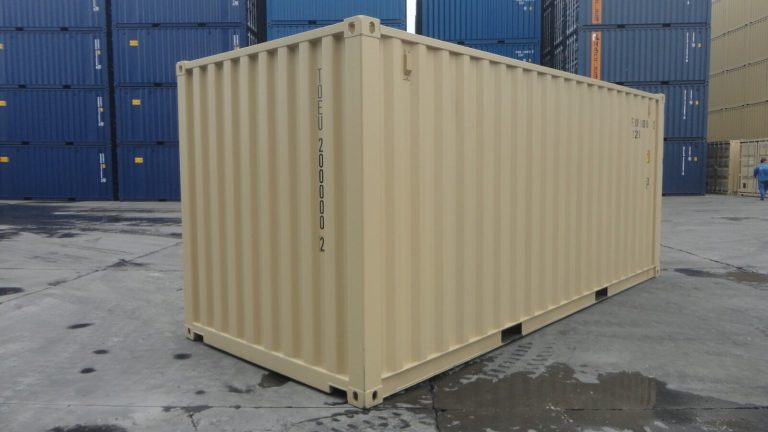
Our 20ft shipping containers for rent are perfect for various needs, from creating office spaces to securing your goods for transport.
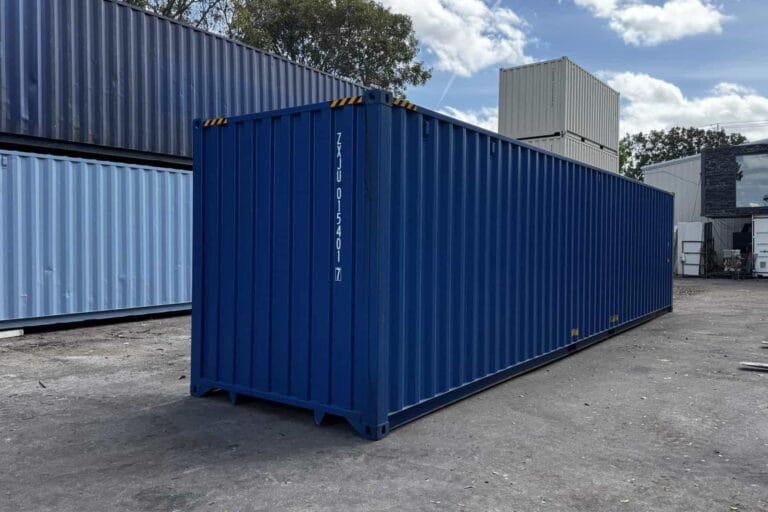
Explore durable and versatile 40ft shipping containers for rent, designed to meet all your storage and transportation needs.
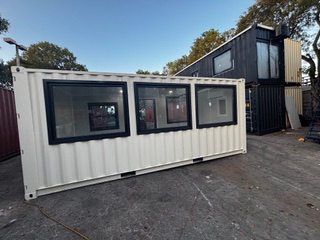
Choose our mobile office containers if you have no place to work and spending months on a construction site is unbearable.
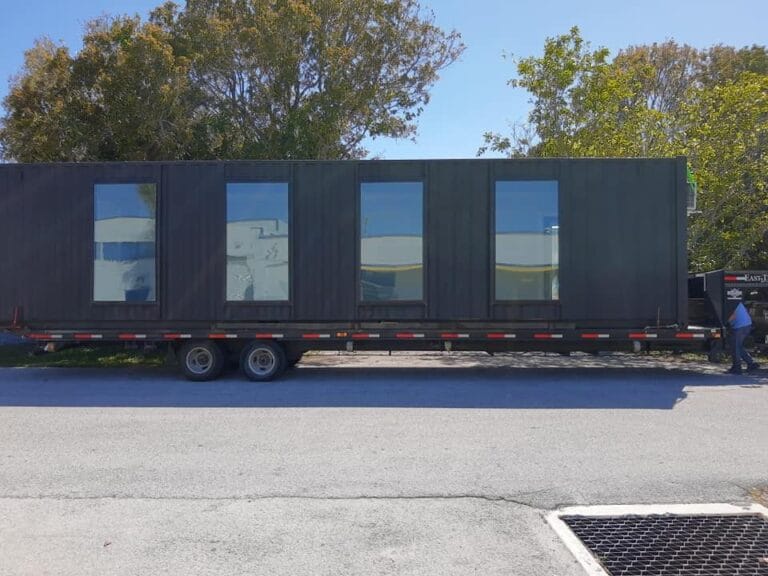
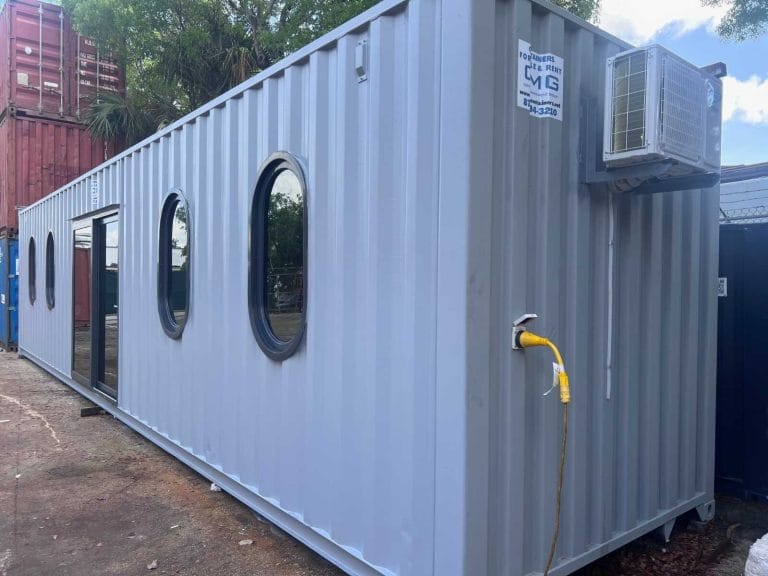
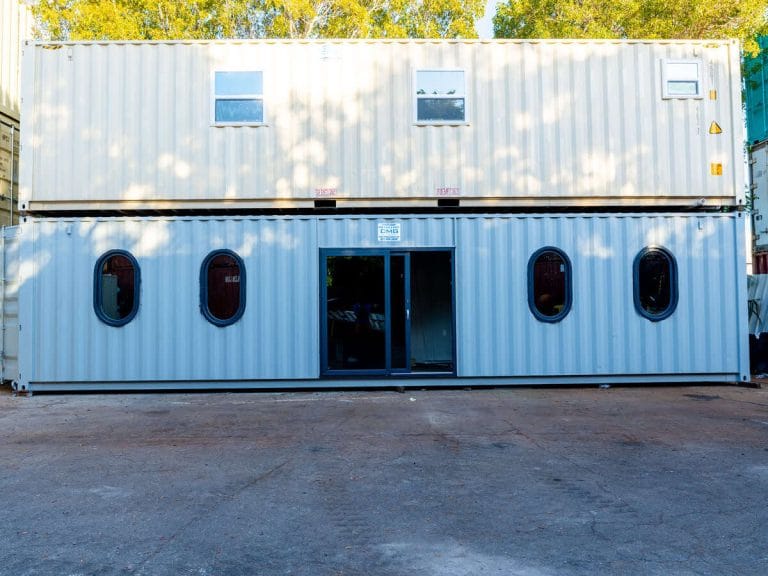
Discover our top-quality 40ft office and storage containers for rent, designed to meet your shipping and storage needs.
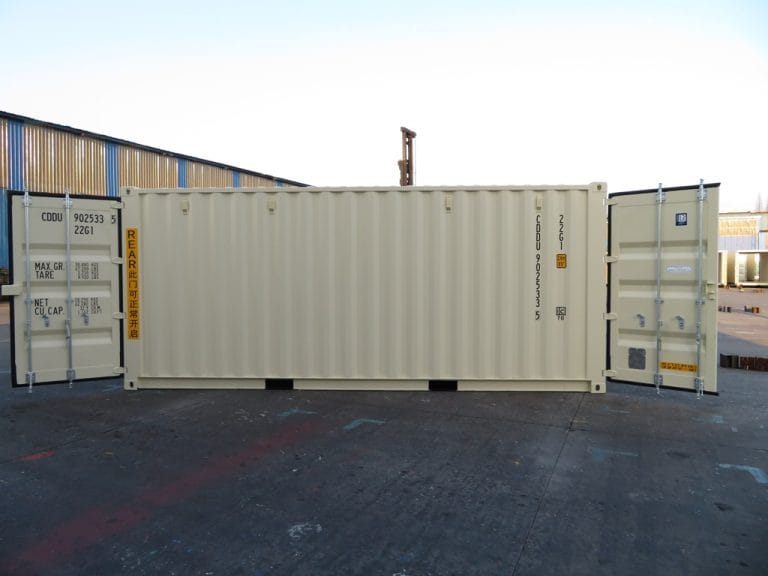
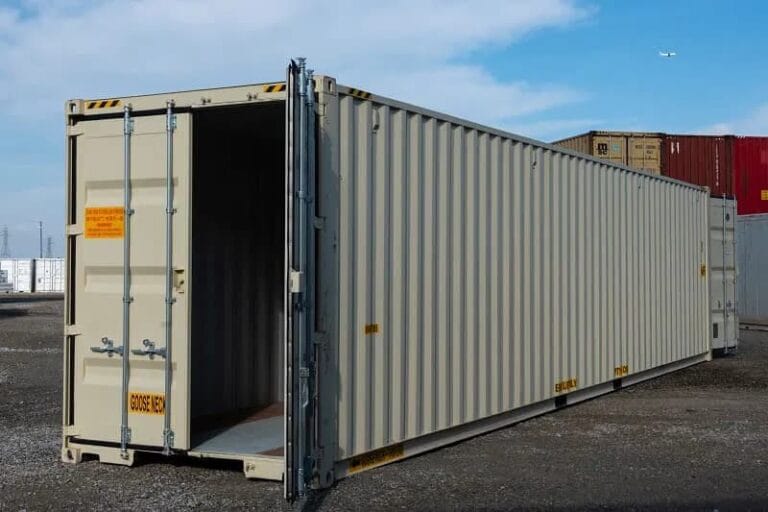
Featuring standard cargo doors at both ends and an extra foot of vertical clearance, this 40ft high cube container provides efficient dual-access loading.
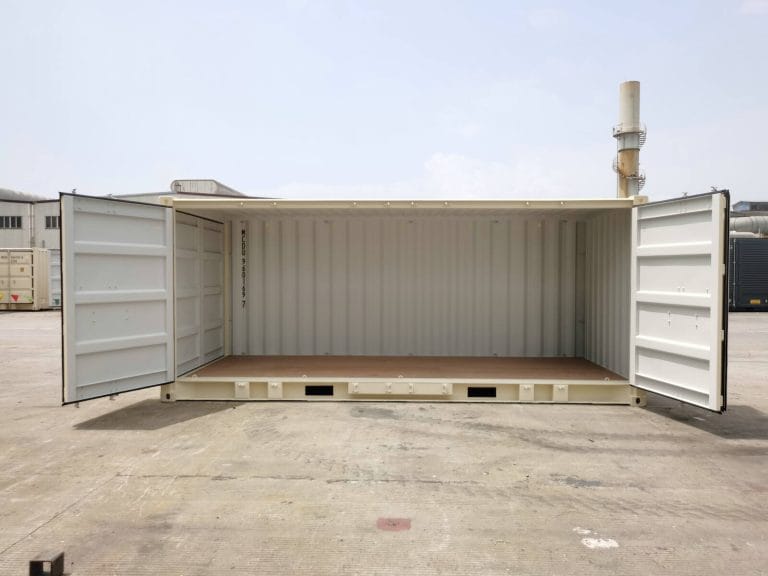
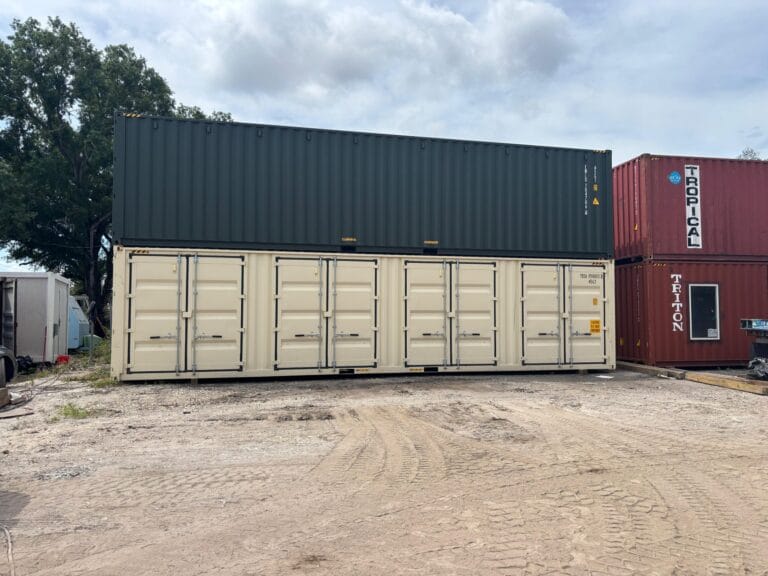
This 20ft full side-access container features bi-fold side doors and end cargo doors, providing unrestricted access for rapid forklift loading and oversized cargo handling.
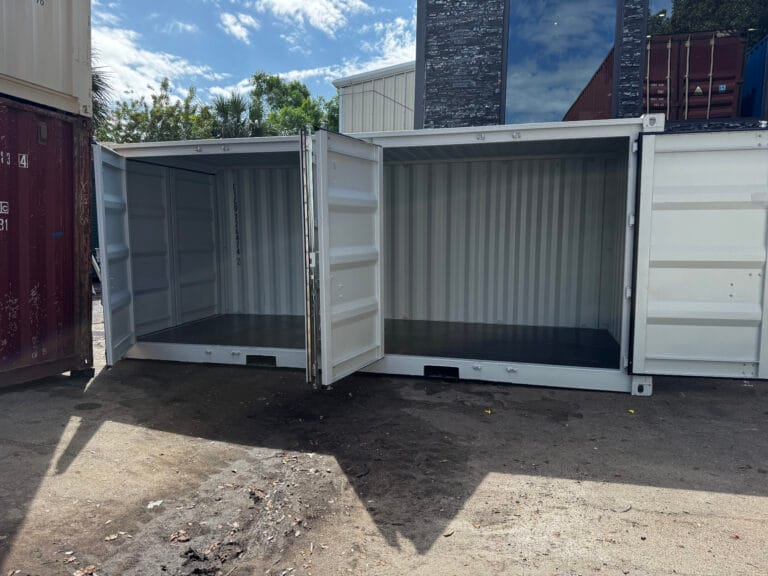
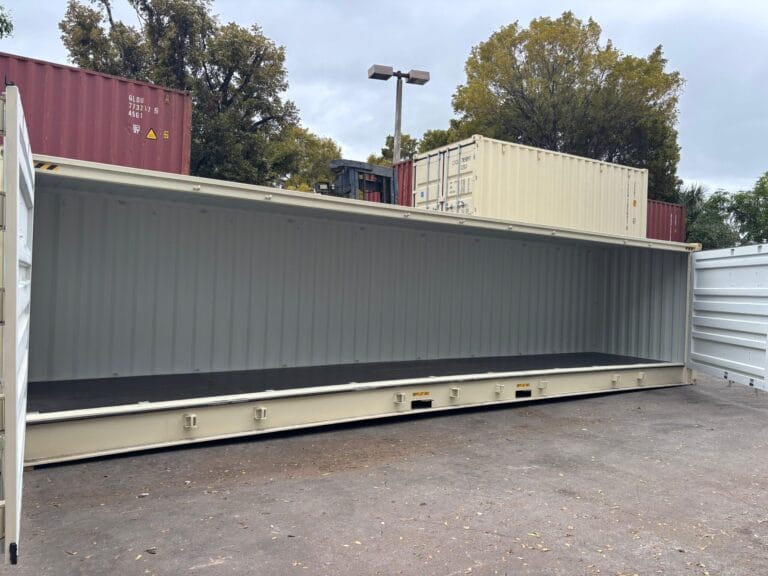
CMG coordinates Texas storage container rentals from Houston and delivers statewide. Share what you need to store, where the unit will sit, the project length, and whether the site has room for a tilt-bed truck. CMG will confirm the container, delivery, pickup, and access requirements.
Published starting rate for a 20ft standard container. A 40ft standard unit starts at $175 per month.
Standard, double door, open side, open top, flat rack, refrigerated, and office units from one yard.
Typical delivery window across most Texas service areas once the rental order is confirmed.

CMG quotes delivery across all Texas counties. Distance, access, and equipment affect the delivered price.
CMG serves Dallas, Tarrant, Collin, and Denton counties for construction storage, retail overflow, distribution, and commercial projects. North Texas also faces regular hail and severe-wind exposure, so a firm, level site and a local placement check matter.
Fort Worth allows a temporary portable storage container on a residential lot for up to 30 days. When tied to an unexpired building permit, the limit may extend to 180 days or the permit’s duration, whichever is shorter.
The Houston yard supports Harris County and delivery toward Galveston and Jefferson counties. Coastal addresses may also fall within the TDI-designated catastrophe area, so placement permission and windstorm-insurance eligibility must be checked as separate questions.
Projects in Travis and Bexar counties use portable storage for construction, events, and inventory. San Antonio limits temporary residential placement to 60 days in a rolling 12-month period.
Construction-site units may remain for the project but must be removed within 10 days after completion. Commercial or industrial primary-use units at 300 square feet or more require a permit. Confirm the current rule with San Antonio Development Services.
In Amarillo and Lubbock, contractors, agricultural operators, campus projects, and processors use shipping containers for rent as tool cribs, material storage, and temporary project space.
Amarillo’s 200-square-foot accessory-structure exemption is a threshold to verify with Building Safety. Lubbock’s Unified Development Code regulates containers under Outdoor Storage and Accessory Structure categories, with permissions varying by zoning district.
Nearby Idalou limits placement to 90 days for residential use and 180 days for construction storage, along with specific siting rules.
Remote lease sites and industrial yards use containers for tools, parts, safety equipment, and rig-move storage. Delivery planning for renting containers in West Texas and Permian Basin should account for unpaved access, turning room, bearing conditions, and distance from the highway.
CMG serves rental containers in Hidalgo, Cameron, Webb, and Nueces counties for logistics, energy, construction, and storm recovery. Brownsville and parts of Corpus Christi sit within TDI coastal wind zones.
Brenham is the Washington County seat on US Highway 290 between Houston and Austin. The corridor supports food production, agriculture, education, construction, and distribution, including Blue Bell Creameries’ Brenham operations. CMG quotes deliveries to Brenham, College Station, Bellville, and surrounding job sites by distance and access.
CMG publishes the following starting monthly rates. Delivery and pickup depend on distance, equipment, access, and placement conditions, so the final price comes from a project-specific quote.
| Container | Starting Monthly Rate | Best For |
|---|---|---|
| 20ft standard storage | $100 | Tools, renovations, records, and compact sites |
| 40ft standard storage | $175 | Commercial inventory and larger equipment loads |
| 20ft double-door | $200 | Separated loading zones and frequent access |
| 40ft double-door high cube | $350 | High-volume commercial storage |
| 20ft fully open side | $400 | Bulky goods and side loading |
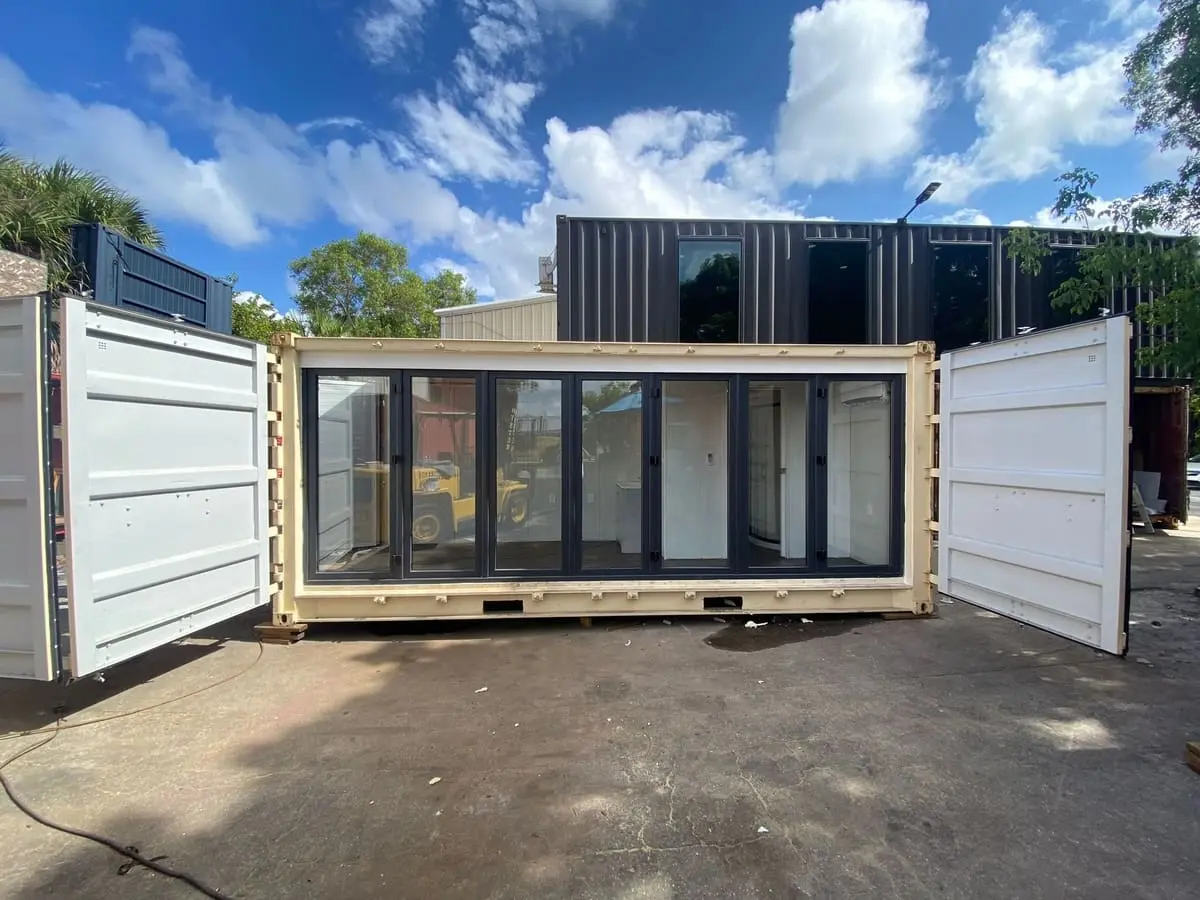
| 20ft mobile office | $500 | Construction supervision and field administration |
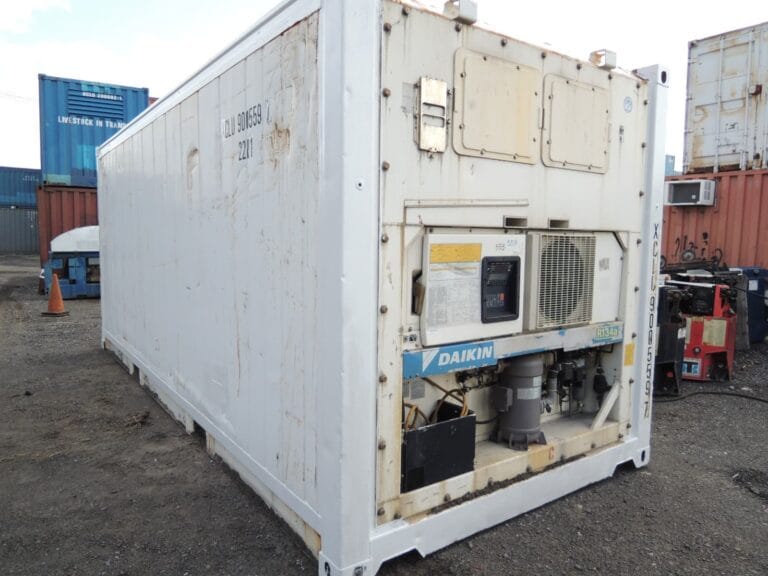
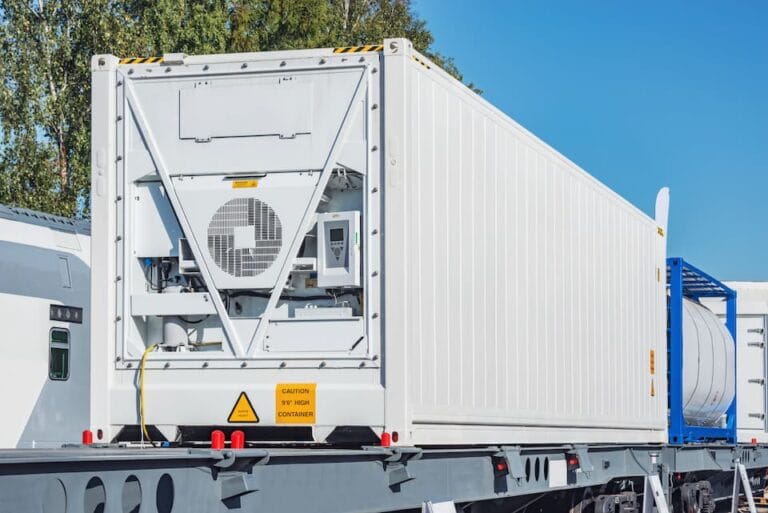
| 20ft refrigerated container | $1,500 | Temperature-controlled goods |
Rental cost changes with container type and condition, rental length, delivery distance, truck access, site preparation, and specialty equipment. Published rates are starting points, not a statewide delivered price.
Texas averages 137 tornadoes a year, according to the National Weather Service. NOAA data also recorded 902 hail events in Texas in 2025. These explain why placement should be treated as a site decision rather than an afterthought.
“Wind and watertight” describes a container condition grade. It means the roof, walls, doors, and seals are expected to resist ordinary weather intrusion. It is not an engineered wind-load rating, tornado rating, anchoring plan, or promise that an unsecured container cannot move in extreme wind.
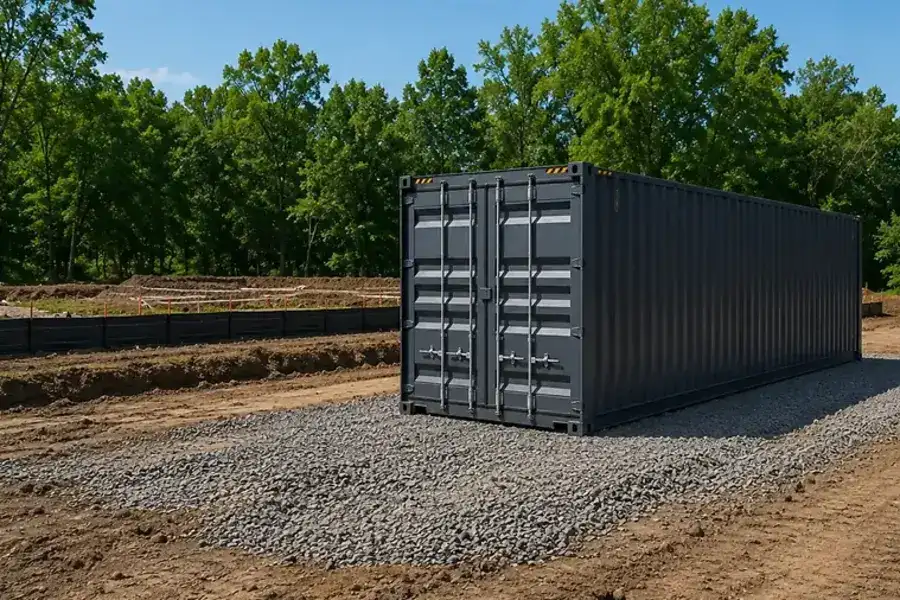
Start with firm, level ground and support the container at appropriate bearing points so the frame remains level and the doors operate correctly. Keep runoff from pooling around the base. Review overhead lines, fences, soft shoulders, and the path required by the delivery truck.
Anchoring, ballast, foundations, and tie-down design depend on the municipality, site exposure, container use, and any modifications. Texas has no verified statewide anchoring rule for storage containers.
Texas does not have one container-placement rule. Cities control land use and building requirements within their limits. Counties generally lack broad zoning authority in unincorporated areas, but subdivision, floodplain, access, and other rules may apply.
A city’s extraterritorial jurisdiction is distinct, and private deed restrictions can be stricter than public regulations. Houston has no conventional zoning, yet development ordinances and recorded restrictions still matter.
| Jurisdiction | Permit Required? | Published Time Limit | What to Check |
|---|---|---|---|
| Fort Worth | Confirm with Development Services | 30 days; up to 180 days or permit duration when tied to an active building permit | Residential placement, paved front-yard surface, right-of-way limits |
| San Antonio | Depends on size and use | 60 days for temporary residential placement; construction duration plus 10 days | Commercial or industrial primary use at 300 sq ft or more requires a permit |
| Amarillo | Local classification required | No verified container-specific citywide limit | Detached accessory structures at or below 200 sq ft may be permit-exempt; confirm whether a container qualifies |
| Lubbock | Depends on zoning district and use category | No verified container-specific citywide limit | Outdoor Storage and Accessory Structure permissions under Chapter 39 |
The Texas Windstorm Insurance Association serves 14 first-tier coastal counties, plus qualifying areas of Harris County east of Highway 146. TDI maps the designated catastrophe area into Inland II, Inland I, and Seaward zones, historically associated with 110, 120, and 130 mph three-second-gust design speeds.
A WPI-8 is a Certificate of Compliance connected to windstorm-insurance eligibility after applicable inspections. It is not a land-use permit. TDI materials do not give a universal yes-or-no answer for every unoccupied rental storage container.
Coastal customers should confirm three separate issues: whether the city allows the placement, whether the intended setup triggers building requirements, and what the property insurer or TDI requires for wind and hail coverage. Texas has recorded 64 hurricanes and 56 tropical storms since 1851, which makes that check practical rather than ceremonial.
Houston’s 1991-2020 climate normals show an average high of 94.5°F in July and 94.9°F in August. A closed steel container can expose contents to sustained heat, but there is no verified universal interior-temperature figure.
Avoid storing products whose labels prohibit high-temperature exposure. Review paints, adhesives, chemicals, electronics, paper records, food, pharmaceuticals, and pressurized containers before loading.
Passive vents support air movement but do not provide temperature control. Insulation slows heat transfer; powered refrigeration maintains a defined range. CMG can discuss shipping container insulation and refrigerated options for heat-sensitive goods.
| Factor | Rent | Buy |
|---|---|---|
| Upfront cost | Lower starting commitment | Higher initial purchase cost |
| Project length | Short-term, seasonal, or uncertain schedules | Long-term and recurring storage needs |
| Flexibility | Exchange or return the unit at project completion | Keep, move, modify, or resell the unit |
| Maintenance | Rental terms define responsibilities | Owner controls maintenance and repairs |
| Modifications | Limited and subject to approval | Greater control over permanent changes |
| Best fit | Construction phases, overflow, storm recovery | Permanent operations and customized builds |
Renting usually fits a defined project or changing capacity need. Buying can make more sense when the container will remain in service for years or needs permanent modification. Compare Texas rental costs with Houston shipping containers for sale and shipping containers for sale in El Paso before deciding.
CMG coordinates shipping container delivery around container size, unloading method, site access, clearance, and ground conditions.
CMG’s published starting rates are $100 per month for a 20ft standard container and $175 for a 40ft standard container. Specialty units cost more. Delivery and pickup depend on distance, equipment, access, and site conditions.
There is no statewide answer. Inside city limits, zoning, building, duration, setback, and right-of-way rules may apply. In unincorporated areas, counties generally lack broad zoning authority, but other rules and private restrictions can still control placement. A city’s ETJ is another category.
Texas has no verified statewide container-anchoring requirement. A city may require anchoring, a foundation, ballast, or engineering based on use and exposure. The container should sit level on adequate bearing points with drainage and access considered. Ask the local authority and a qualified engineer when risk warrants it.
Possibly, depending on the property, setup, use, insurer, and wind zone. A WPI-8 concerns windstorm-insurance eligibility; it does not grant placement permission. TDI materials do not settle the question for every unoccupied rental container. Confirm with TDI or the insurer and separately check local requirements.
There is no authoritative single interior-temperature figure. Solar exposure, color, ventilation, insulation, loading, and ambient temperature affect conditions. Review storage limits for sensitive goods. Use insulation when reduced heat transfer is enough and refrigeration when contents require controlled temperature.
CMG delivers in 48 to 72 hours in most service areas after the rental order is confirmed. Texas is large, so remote destinations, specialty equipment, inventory, weather, and site readiness can extend the schedule. Share the exact address, container type, unloading needs, and access conditions to receive a realistic delivery window.
Core rental options are 20ft and 40ft containers. Specialty availability can include 45ft high-cube, double-door, open-side, mobile office, combination, and refrigerated units. The right size depends on the load, footprint, delivery path, and local rules.
CMG offers month-to-month and project-based terms. A city may still limit how long a container can remain on a parcel. Fort Worth and San Antonio publish specific temporary-placement periods. Check both the rental term and the local placement limit.
CMG provides storage containers for rent in Texas for construction, agriculture, oilfield work, logistics, retail, storm recovery, and general commercial storage. Send the project address, preferred size, rental period, access details, and intended use. The team will confirm availability, delivery timing, placement needs, and a delivered price from the Houston yard.