
Not all cargo fits neatly inside a standard container. Some loads are too wide, too tall, too heavy—or simply too irregularly shaped to be confined within steel walls and closed doors. That’s where flatrack containers provide a specialized and highly practical solution.
Designed specifically for cargo that exceeds the limits of traditional enclosed units, flat rack shipping containers remove side walls and, in many cases, the roof entirely. This open structure allows oversized machinery, industrial equipment, construction materials, and uniquely shaped freight to be transported safely and efficiently.
If your cargo cannot be boxed in, forced through narrow doors, or disassembled without risk, flatrack containers may be the most reliable option available.
What Are Flatrack Containers?
Before exploring their advantages, it’s important to understand what distinguishes flatrack containers from other shipping units. Unlike standard enclosed containers, flatrack containers consist of a reinforced steel base with sturdy end walls. The sides are open, and in some models, the end walls are collapsible.
This design allows cargo to extend beyond the container’s width or height limits—something impossible with conventional units.
Key Structural Features
- Heavy-duty steel base designed for extreme loads
- Fixed or collapsible end walls
- Open sides for side-loading access
- High weight-bearing capacity
- Secure lashing points for tie-downs
Because of their reinforced floor and open configuration, flat rack shipping containers are commonly used for transporting equipment that would otherwise require custom logistics solutions.
Why Standard Containers Aren’t Always Enough
Standard shipping containers work perfectly for boxed goods, palletized inventory, and predictable freight dimensions. However, certain industries routinely handle cargo that exceeds normal size or weight limits.
Examples include:
- Heavy construction machinery
- Industrial generators
- Wind turbine components
- Large pipes and steel beams
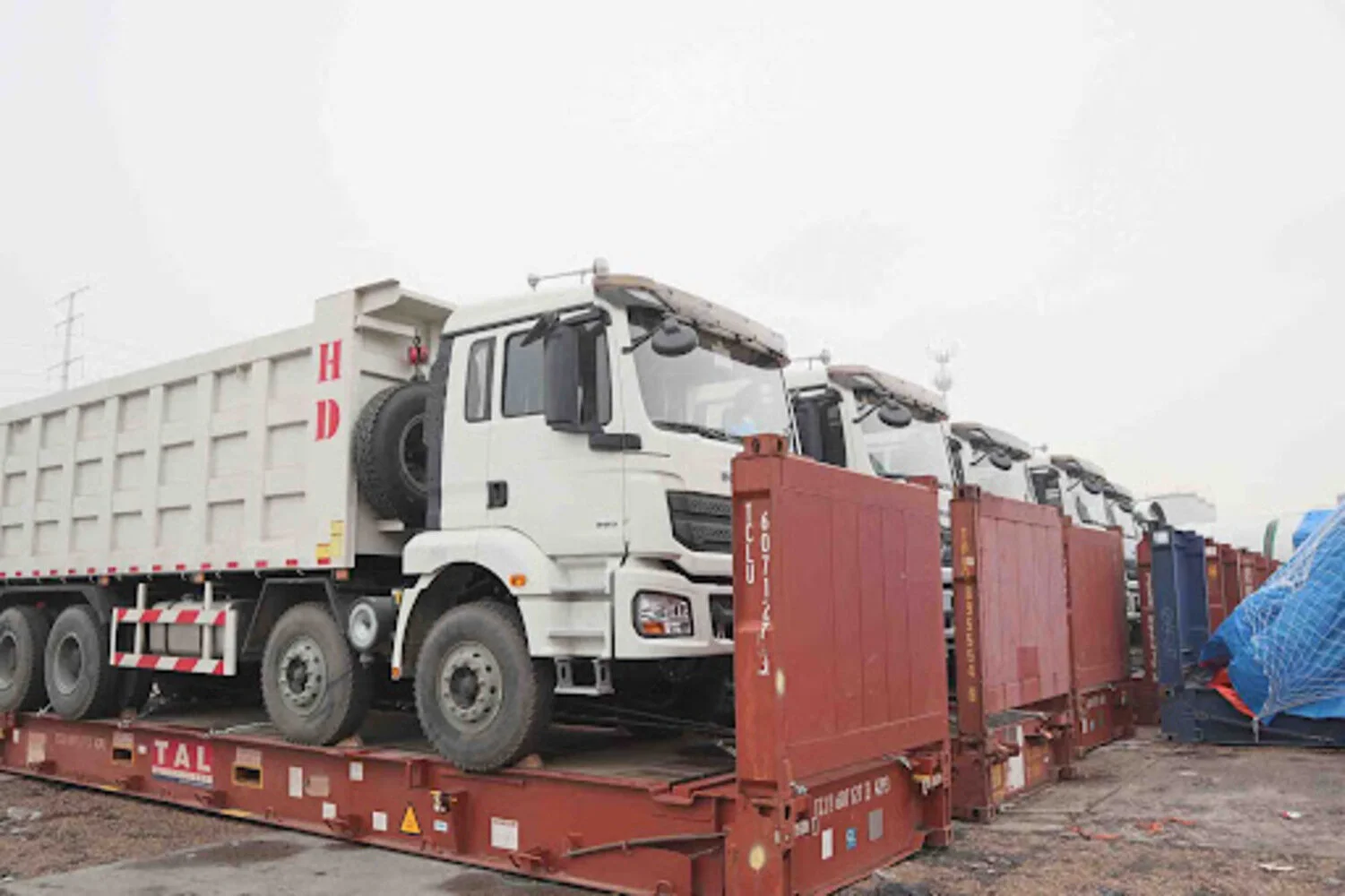
- Oversized vehicles
For these applications, forcing cargo into enclosed containers can cause damage, inefficiency, or safety risks.
Flatrack containers eliminate these limitations by offering open access and structural reinforcement tailored for non-standard freight.
Designed for Heavy-Duty Performance
One of the primary strengths of flatrack containers is their exceptional load-bearing capacity. These units are engineered specifically to handle extremely heavy cargo.
The reinforced flooring and steel framing distribute weight evenly, minimizing stress points and preventing structural distortion during transport.
Unlike oversized cargo containers that require full enclosure, flat racks allow cargo to sit directly on the reinforced base while being secured using industrial-grade tie-down systems.
This combination of strength and accessibility makes them ideal for industries where weight and shape vary significantly.
Ideal for Wide and Irregular Cargo
Flat rack shipping containers are especially useful when cargo exceeds standard width or height dimensions.
Because the sides are open, materials such as large pipes, construction beams, and prefabricated structures can extend slightly beyond container boundaries while remaining securely fastened.
Cargo Types Commonly Shipped in Flatracks
- Excavators and bulldozers
- Industrial compressors
- Agricultural equipment
- Large tanks and cylinders
- Structural steel components
In situations where enclosed containers simply cannot accommodate the load, flatrack containers provide a practical alternative without requiring custom-built transport platforms.
Easier Loading and Unloading
Loading oversized cargo through narrow end doors can be time-consuming and risky. Flatrack containers simplify the process by allowing side and top loading.
This flexibility reduces the need for complicated maneuvering and minimizes the risk of impact damage.
Loading Advantages Include:
- Crane access from above
- Forklift access from the sides
- No restrictive door frames
- Faster loading times
For businesses handling heavy or awkward equipment, these loading efficiencies translate into measurable time and labor savings.
Stability and Secure Transport
While open-sided design provides accessibility, security and stability remain critical.
Flatrack containers include multiple lashing rings and anchor points designed to secure cargo tightly during transit. These anchor points are strategically positioned to prevent movement caused by shifting weight or vibration.
Additionally, cargo can be covered with tarps or protective wraps when weather exposure is a concern.
With proper securing techniques, oversized cargo containers maintain stability comparable to enclosed units.
When to Choose Flatrack Containers Over Open-Top Containers
Both flatrack containers and open-top containers accommodate non-standard cargo, but they serve different purposes.
Open-top containers retain side walls but remove the roof. They are ideal for tall cargo that still fits within side boundaries.
Flatrack containers, however, eliminate side walls entirely, making them better suited for wide or irregularly shaped loads.
If cargo extends beyond width limitations, flat rack shipping containers provide the necessary clearance.
Flatrack Containers for Sale: Buying Considerations
If you are searching for flatrack containers for sale, careful evaluation is essential. Because these units serve specialized purposes, purchasing decisions should align with specific cargo requirements.
Important Factors to Consider:
- Maximum load weight
- Fixed vs collapsible end walls
- Frequency of use
- Transport mode (sea, rail, or road)
- Budget constraints
Businesses that regularly ship oversized equipment often benefit from ownership, while occasional use may justify rental.
Understanding operational frequency helps determine whether purchasing or leasing is the smarter financial choice.
Cost Efficiency for Specialized Cargo
While flatrack containers may appear more specialized, their efficiency often offsets costs in heavy transport scenarios.
Using standard containers for oversized cargo may require partial disassembly, custom crating, or additional labor.
By contrast, flat rack shipping containers allow direct placement and secure fastening, reducing preparation time and labor expenses.
For industries such as construction, energy, and heavy manufacturing, this efficiency can significantly lower total project costs.
Industries That Benefit Most from Flatrack Containers
Several industries consistently rely on oversized cargo containers due to the nature of their operations.
· Construction and Infrastructure
Transporting heavy machinery and structural materials demands flexibility. Flatrack containers simplify movement between job sites.
· Energy and Utilities
Wind turbine components, transformers, and generators often exceed enclosed container limits. Flat racks accommodate these oversized parts safely.
· Manufacturing and Industrial Equipment
Large production machines frequently require specialized transport. The reinforced base of flatrack containers provides necessary support.
· Agriculture
Farm equipment, tractors, and industrial irrigation systems often ship via flat rack shipping containers due to their irregular dimensions.
Storage Applications Beyond Transport
Although primarily used for transport, flatrack containers also serve temporary storage needs.
Their open design allows easy equipment placement on construction sites or industrial yards. When covered properly, they provide short-term staging areas for heavy materials.
In situations requiring frequent equipment movement, the accessibility of flat racks can improve operational flow.
Durability in Harsh Conditions
Like other shipping containers, flatrack containers are built to withstand challenging maritime environments.
Their corrosion-resistant steel structure ensures reliability during long-distance sea transport and exposure to varying climates.
With routine maintenance and inspection, flat rack shipping containers can remain operational for many years.
Comparing Flatrack Containers to Platform Containers
Flatrack containers are sometimes confused with platform containers, but they serve slightly different purposes.
Platform containers consist only of a reinforced base without end walls. They are designed for extremely oversized loads that exceed even flatrack structural boundaries.
Flatrack containers, however, include fixed or collapsible end walls that provide additional structural integrity and cargo securing points.
For most heavy, wide, and irregular cargo needs, flatrack containers offer a more balanced solution—combining strength, anchor support, and flexibility without sacrificing stability.
Only in highly specialized transport scenarios would a full platform container be necessary.
Renting vs Buying Flatrack Containers
Because flatrack containers are highly specialized, the rent-versus-buy decision becomes important.
Renting Makes Sense When:
- Usage is occasional
- Projects are short-term
- Capital preservation is a priority
- Storage space is temporary
Buying Makes Sense When:
- Oversized cargo transport is frequent
- Heavy machinery is regularly shipped
- Long-term cost efficiency is required
- Full control over availability is necessary
Companies operating consistently in construction, infrastructure, or energy sectors often benefit from ownership. Businesses with occasional oversized transport needs may find renting more practical.
Planning for Safe Handling and Compliance
Transporting heavy or irregular cargo requires compliance with shipping regulations and proper load securing procedures.
Businesses using flatrack containers must ensure:
- Accurate weight distribution
- Proper lashing and tie-down techniques
- Compliance with road and maritime transport laws
- Safe crane and forklift handling
Professional logistics planning ensures both safety and regulatory adherence.
When Flatrack Containers Make the Most Sense
Choosing flatrack containers is typically appropriate when:
- Cargo exceeds standard width limits
- Machinery is too heavy for enclosed units
- Side-loading access is required
- Irregular shapes prevent standard packing
- Direct crane loading is necessary
In these scenarios, flat rack shipping containers offer unmatched flexibility and strength.
Built for Cargo That Doesn’t Fit the Mold
Not every shipment fits inside four steel walls. When cargo is heavy, wide, or irregularly shaped, flatrack containers provide a solution designed specifically for those challenges.
Their reinforced base, open access, and secure anchoring systems make them indispensable for industries handling oversized cargo containers on a regular basis.
If your operations involve equipment or materials that simply cannot conform to standard container dimensions, flatrack containers are not just an alternative—they are often the most efficient and safest choice available.